

Take a Little Piece of Dorset Home
Love exploring Weymouth and Dorset? Take home beautiful coastal photography, digital artwork and local prints from my Folksy store.
Prices start from just £8.50 and include Weymouth Harbour, Weymouth Beach, Portland, Dorset landscapes and many more local scenes.
Shop All Dorset Prints →


Weymouth in the Middle Ages - The Harbour
Weymouth Harbour has been a vital maritime centre since the Middle Ages, playing a key role in the development of Dorset's coastal trade and defence. Like most seaside towns, long before Weymouth became known as a seaside resort, the harbour and the medieval Town Bridge formed the economic and strategic heart of the town, linking the twin ports of Weymouth and Melcombe Regis.

A Modern Day photograph of Weymouth Harbour and Town Bridge
Weymouth Harbour in the Middle Ages
By the 12th century, Weymouth Harbour was an established medieval port serving southern England and the English Channel trade routes. The natural shelter provided by the mouth of the River Wey made it ideal for merchant shipping, fishing vessels, and naval service. During this period, Weymouth and Melcombe Regis were among Dorset's most important ports.
The primary medieval export passing through Weymouth Harbour was wool, Dorset's most valuable commodity. Wool was shipped to Flanders and northern Europe, while imports included wine from Gascony, salt, iron goods, and everyday supplies essential for medieval life. These trading activities firmly established Weymouth as a significant medieval trading port.
Homes and Living Conditions
Most residents would have lived in timber-framed houses with wattle-and-daub walls and thatched roofs. Streets were narrow and sanitation poor, particularly near the harbour where refuse and waste accumulated.Medieval Occupations in Weymouth
By the 13th and 14th centuries, common occupations would have included:- Fishermen and sailors
- Merchants and ship owners
- Rope makers and shipwrights
- Brewers, bakers, and market traders
Markets were held regularly, with fish being the most common commodity.
The Black Death Arrives in Weymouth (1348-1349)
In 1348, the Black Death reached Dorset, almost certainly arriving by ship at coastal ports such as Weymouth and Melcombe Regis.Although full details are explored on the dedicated Black Death page, its immediate effects on medieval Weymouth included:
- Sudden population loss
- Abandoned homes and workshops
- Severe labour shortages
- Decline in trade activity
By 1349, entire households had disappeared from records.
Despite devastation, Weymouth gradually recovered. The huge decrease in population meant that by the Late 1300s, Labourers could command higher wages due to worker shortages.
Weymouth and Melcombe Regis Rivalry
Throughout the 14th and 15th centuries, rivalry between Weymouth and Melcombe Regis intensified. Disputes arose over things such as:- Harbour dues
- Fishing rights
- Trade control
The need for a permanent crossing became essential as trade increased although there was no permanent bridge during medieval times, the harbour separated the two ports.
Weymouth's First Town Bridge
The first Town Bridge at Weymouth was not constructed until the late 16th century (1597) when an act of parliament unified these two important ports. Unlike fixed stone bridges, the first Town Bridge was a wooden drawbridge or opening structure, allowing masted vessels to access the inner harbour.
The bridge was a key structure to the towns. It improved the movement of goods, strengthened the town's defences, and reinforced Weymouth's role as a working port. Control of the bridge also allowed local authorities to regulate trade and collect tolls, an important source of medieval revenue.
Trade, Defence, and Royal Service
During the Middle Ages, Weymouth Harbour was closely linked to royal service. Under feudal obligations, Weymouth and Melcombe Regis were required to supply ships and sailors for the Crown, particularly during conflicts with France. This military role made the harbour strategically important but also vulnerable to attack.French raids along the Dorset coast were a recurring threat, especially during the Hundred Years' War. The harbour, quays, and later, the Town Bridge would have been key defensive points, with repairs and rebuilding common after periods of damage or neglect.
Daily Life in Medieval Weymouth
Medieval life in Weymouth revolved around the harbour. Fishermen unloaded their catch along wooden quays, merchants stored goods in waterfront warehouses, and shipwrights repaired vessels using timber brought from inland Dorset. The Town Bridge became a focal point of daily movement, trade, and social interaction.Churches near the harbour played a central role in medieval life, offering prayers for sailors and marking time through bells that echoed across the water. The rhythm of harbour life was governed by tides, daylight, and the demands of maritime trade.
Medieval Foundations of Modern Weymouth
Although the Town Bridge has been rebuilt many times since the Middle Ages, its purpose remains unchanged. It stands as a lasting reminder of Weymouth's medieval origins as a working harbour town where land and sea transport had to coexist.Today, Weymouth Harbour and the Town Bridge continue to reflect the medieval solutions that shaped the town's growth. Every time the bridge opens to allow vessels through, it echoes centuries of maritime history rooted in medieval Dorset.
For a more modern view of Weymouth Harbour, take a look at my 'Walk around Weymouth' video (click to view on YouTube)
Medieval Weymouth Beach and the Coastal Town
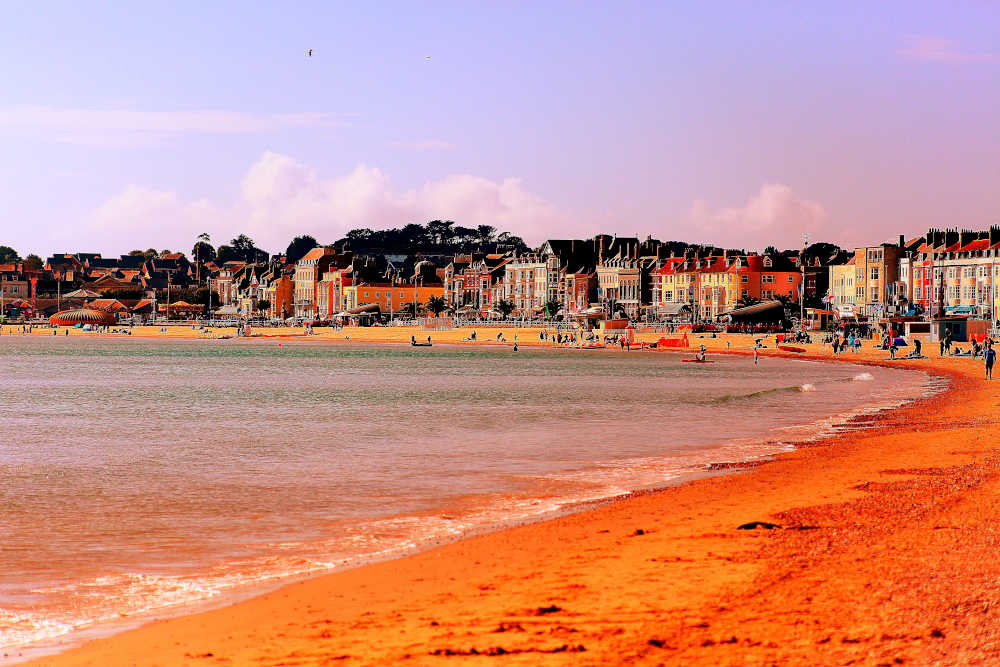
Weymouth Beach is often overlooked in Medieval history, it may not have been the long stretch of golden sandy beach it is today but in the medieval period, Weymouth Beach played a vital role in the town's economy and daily life. Far from being a place of leisure, the beach functioned as a working shoreline closely tied to fishing, trade, and the harbour.A Working Medieval Beach
Fishing boats were routinely hauled onto the shingle beach at low tide, where nets were laid out to dry and catches were cleaned, salted, and packed. Barrels, timber, ropes, and sails were often stored temporarily along the shoreline before being moved into the town.The beach was busiest at dawn and dusk, when fishing vessels returned and traders gathered to buy fish directly from the shore. This close connection between beach and town made Weymouth a practical and efficient medieval port.
The Medieval Coastline and Flooding
Medieval Weymouth's coastline was narrower and less stable than it is today. Storms frequently reshaped the beach, while high tides and storm surges posed a constant risk of flooding. Simple wooden embankments and defences were sometimes used, but erosion remained a persistent problem.These conditions influenced where medieval buildings were constructed and reinforced the importance of the harbour and Town Bridge as safer, controlled points for trade and movement.
Life, Sound and Smell Along the Shore
The medieval beach was a place of constant activity. The air carried the smell of salt, fish, tar, and seaweed, while the sounds of waves, gulls, creaking boats, and shouted trade filled the waterfront. Church bells marked the hours and acted as alarms during emergencies.This sensory environment shaped everyday life and reflected Weymouth's dependence on the sea.
Shoreline Trade and Informal Markets
Not all trade took place in official markets. Fish was often sold directly from boats or temporary beach stalls, allowing local residents immediate access to fresh food. Prices varied depending on weather, seasonal catches, and sea conditions. This informal trade was particularly important to poorer households and highlights the economic role of Weymouth Beach in the medieval town.Defence and Coastal Threats
As an open shoreline, the beach was also a vulnerable point of entry. From the 14th century, especially during the Hundred Years' War, coastal towns like Weymouth faced the threat of raids and piracy. Watchmen were sometimes stationed along the shore, with bells or signal fires used to warn the town of approaching ships.The beach represented both opportunity and danger for medieval Weymouth.
The Town Behind the Beach
Narrow lanes ran inland from the shoreline, lined with timber-framed cottages, workshops, and storehouses. Poorer residents tended to live closer to the beach, while wealthier merchants occupied slightly higher ground further inland. Livestock were often kept close to homes, contributing to crowded and unsanitary conditions.Seasonal Life in Medieval Weymouth
Life in medieval Weymouth followed the seasons. Winter storms reduced fishing and trade, forcing families to rely on stored food and repairs to boats and nets. Summer brought calmer seas, increased trade, and greater activity along the beach and harbour.Walking Where Medieval Shoes Have Trod
Next time you are on Weymouth Beach, think about the boats coming onto the shore, the informal markets and the smells that this very same spot carried all those centuries ago.
Early coastal activity develops around the natural harbour at the mouth of the River Wey.
Small fishing and trading communities operate along the Dorset coast.
Wyke Regis is recorded in the Domesday Book, confirming settlement in the area during the early medieval period.
St Mary's Church, Melcombe Regis, is established and becomes a key religious and community centre for the harbour settlements.
Weymouth begins to emerge as a recognisable port settlement as harbour activity increases.
Weymouth is first recorded in historical documents, including reference to a market, marking its growing economic importance.
Melcombe Regis is granted borough status, strengthening trade and civic identity on the eastern side of the harbour.
Weymouth and Melcombe Regis operate as separate but neighbouring towns, sharing a harbour while increasingly competing for trade.
The outbreak of the Hundred Years' War increases the threat of coastal raids along the Dorset coast.
French raids occur on towns along England's south coast, leading to heightened coastal defences in Dorset.
The Black Death reaches Dorset via coastal ports, devastating Weymouth and Melcombe Regis.
Labour shortages following the plague lead to improved wages and slow economic recovery.
Continued disputes between Weymouth and Melcombe Regis over harbour dues and fishing rights, alongside gradual recovery.
The first recorded permanent bridge between Weymouth and Melcombe Regis is constructed, marking a post-medieval development.
Timeline of Medieval Weymouth
Explore more of Weymouth's history and surrounding Dorset
Medieval Weymouth was a busy and growing coastal settlement, shaped by trade, fishing, and its connection to the wider world. From this early period through to plague, conflict, and the modern seaside town, there's plenty more to discover about Weymouth's past and the surrounding Dorset area. You may also like:
- Weymouth town guide - Explore the town, its harbour, and famous beach
- Weymouth Beach today - See how the coastline looks today compared to its past
- The Black Death in Weymouth - How the plague impacted the town in medieval times
- Dorset history guide - Explore the region's past through the centuries
- Weymouth Harbour today - See how the harbour has evolved over time
Own a tourism or visitor-focused business?
Reach visitors planning trips to Weymouth and Dorset.
Learn How to Get Featured
The Nothe Fort is a victorian fort now a museum of life in Weymouth during world war II.

The Pirates Graveyard at Church Ope Cove on Portland is found high above Church Ope Cove.

Tyneham Ghost Village is a deserted village.

There are plenty of things to do in Weymouth when it rains and lots more things to do around Dorset too.

Did you know that the Black Death arrived in England in 1348 through the port of Weymouth.

Portland Harbour History, the Portland Breakwaters, the sinking of HMS Hood and Portland at war.