

Take a Little Piece of Dorset Home
Love exploring Weymouth and Dorset? Take home beautiful coastal photography, digital artwork and local prints from my Folksy store.
Prices start from just £8.50 and include Weymouth Harbour, Weymouth Beach, Portland, Dorset landscapes and many more local scenes.
Shop All Dorset Prints →



Medieval Mevagissey: The Origins of a Cornish Fishing Port
Mevagissey's story begins long before it became one of Cornwall's most recognisable fishing harbours. During the Middle Ages, this small coastal settlement developed into an important medieval fishing port, shaped by the sea, the Church, and Cornwall's long maritime traditions. Its sheltered coves, rugged coastline, and access to rich fishing grounds laid the foundations for the Mevagissey that survives today.
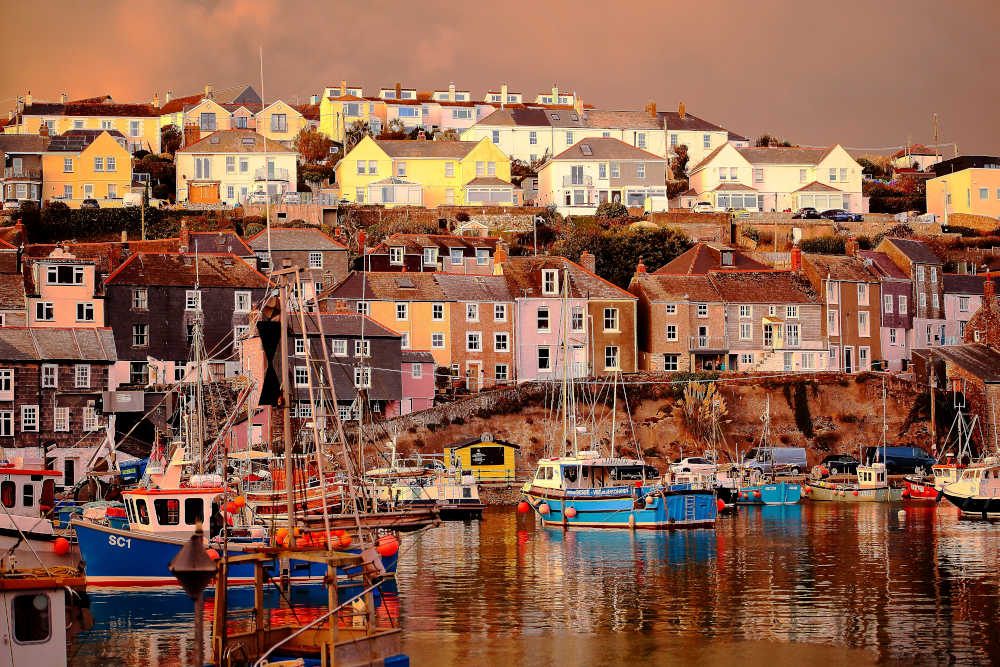
A Modern Day photograph of Mevagissey Harbour
Early Medieval Origins
The origins of medieval Mevagissey can be traced to the early Middle Ages, when small fishing communities began to form along Cornwall's south coast. Unlike larger medieval ports, Mevagissey did not develop around grand quays or castles, but small natural inlets. These provided shelter for fishing boats and coastal traders navigating the dangerous Cornish waters.
The settlement grew around two small chapels dedicated to St Meva and St Issey, from whom the town takes its name. These religious foundations were central to medieval life, offering spiritual protection to fishermen whose livelihoods depended on the unpredictable sea.
Mevagissey Harbour in the Middle Ages
By the later medieval period, Mevagissey Harbour had become a working fishing port, primarily serving the local economy. Pilchards, herring, and other fish were landed here, salted, and traded along the Cornish coast and beyond. Fishing was seasonal and labour-intensive, involving entire families and shaping the rhythm of medieval life in the town.The harbour itself was modest compared to major medieval ports, consisting mainly of natural shelter reinforced by simple stonework and timber structures. Boats were often beached or secured within the coves rather than moored at extensive quays. This small-scale harbour reflected Mevagissey's role as a local fishing centre rather than an international trading hub.
Coastal Trade and Medieval Economy
While fishing dominated medieval Mevagissey, coastal trade also played an important role. Small vessels carried fish, agricultural produce, and locally quarried stone to nearby Cornish ports. In return, Mevagissey received essential goods such as grain, tools, salt, and cloth.This coastal trading network linked Mevagissey to the wider medieval economy of Cornwall, allowing even small settlements to participate in regional commerce. The sea was both highway and workplace, binding isolated communities together.
Religion and Daily Life in Medieval Mevagissey
Religion was at the heart of medieval Mevagissey. The chapels of St Meva and St Issey served as places of worship, community gathering, and refuge. Fishermen prayed for safe passage and good catches, while religious festivals marked the passing of the year.Daily life was harsh and uncertain. Homes were simple stone or timber structures clustered close to the shoreline. Families depended on the sea, with men fishing and women processing and preserving the catch. Storms, shipwrecks, and illness were constant threats, shaping a strong sense of shared hardship and resilience.
Conflict and Vulnerability
Like many Cornish coastal settlements, medieval Mevagissey was vulnerable to attack. During periods of conflict, particularly in the later Middle Ages, coastal raids were a real danger. The town lacked formal defences, relying instead on its small size and hidden coves for protection.Despite these risks, Mevagissey endured, sustained by its fishing economy and strong communal ties. Its survival through the medieval period speaks to the adaptability of Cornwall's coastal communities.
Medieval Foundations of Modern Mevagissey
The medieval period laid the foundations for Mevagissey's later growth. Its fishing traditions, harbour location, and settlement pattern all date back to this time. While the harbour was significantly developed in later centuries, its medieval origins remain visible in the town's layout and enduring relationship with the sea.Today, Mevagissey stands as a living reminder of Cornwall's medieval maritime heritage. Beneath the later stone quays and narrow streets lies a story shaped by medieval fishermen, faith, and the challenging waters of the Cornish coast.
Own a tourism or visitor-focused business?
Reach visitors planning trips to Weymouth and Dorset.
Learn How to Get Featured
The Nothe Fort is a victorian fort now a museum of life in Weymouth during world war II.

The Pirates Graveyard at Church Ope Cove on Portland is found high above Church Ope Cove.

Tyneham Ghost Village is a deserted village.

There are plenty of things to do in Weymouth when it rains and lots more things to do around Dorset too.

Did you know that the Black Death arrived in England in 1348 through the port of Weymouth.

Portland Harbour History, the Portland Breakwaters, the sinking of HMS Hood and Portland at war.