

Take a Little Piece of Dorset Home
Love exploring Weymouth and Dorset? Take home beautiful coastal photography, digital artwork and local prints from my Folksy store.
Prices start from just £8.50 and include Weymouth Harbour, Weymouth Beach, Portland, Dorset landscapes and many more local scenes.
Shop All Dorset Prints →

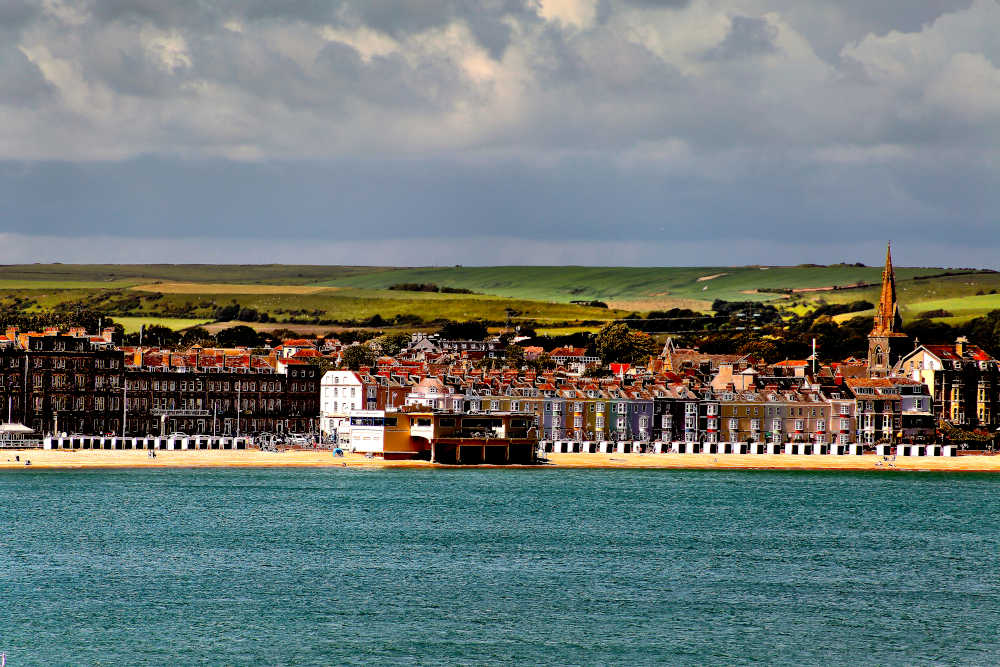

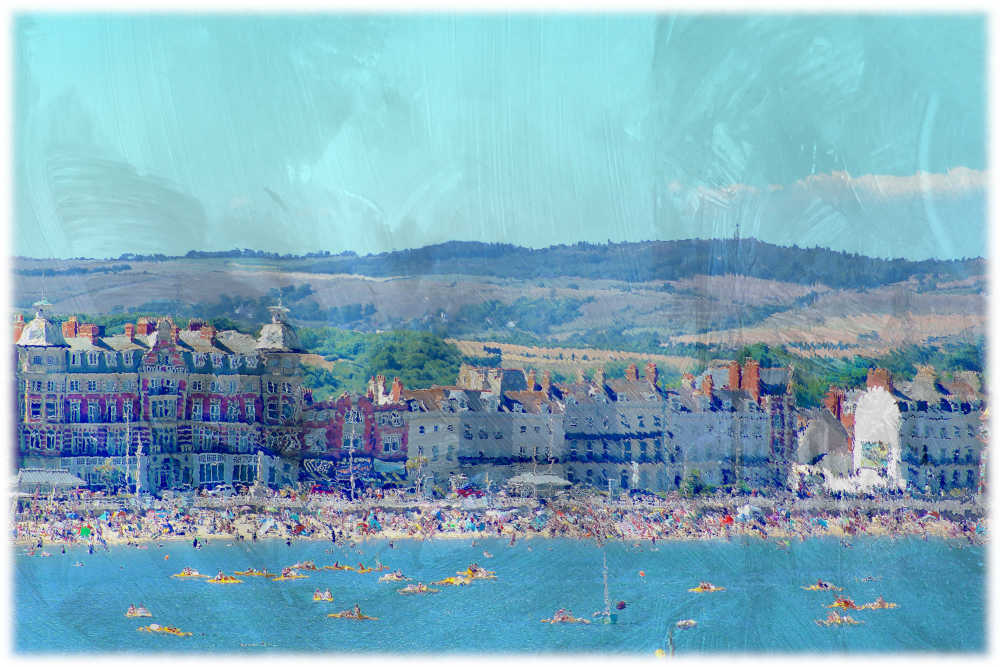

Smuggling along the Weymouth Coast
For centuries, smuggling played a significant role in shaping life along the Dorset coast, few places were more deeply involved than Weymouth and the Isle of Portland. With hidden coves, dangerous seas, and a population heavily reliant on maritime trade, the area naturally had lots of smuggling activity. Unlike the large criminal gangs associated with Sussex and Kent, many local smugglers were small-scale operators - fishermen, sailors, and labourers for whom smuggling was a profitable second income. Because these men blended seamlessly into everyday coastal life, many were never officially recorded, leaving gaps in the historical record. Long before smuggling was romanticised, it was a way of survival for coastal communities facing heavy taxation, unpredictable fishing yields, and economic hardship.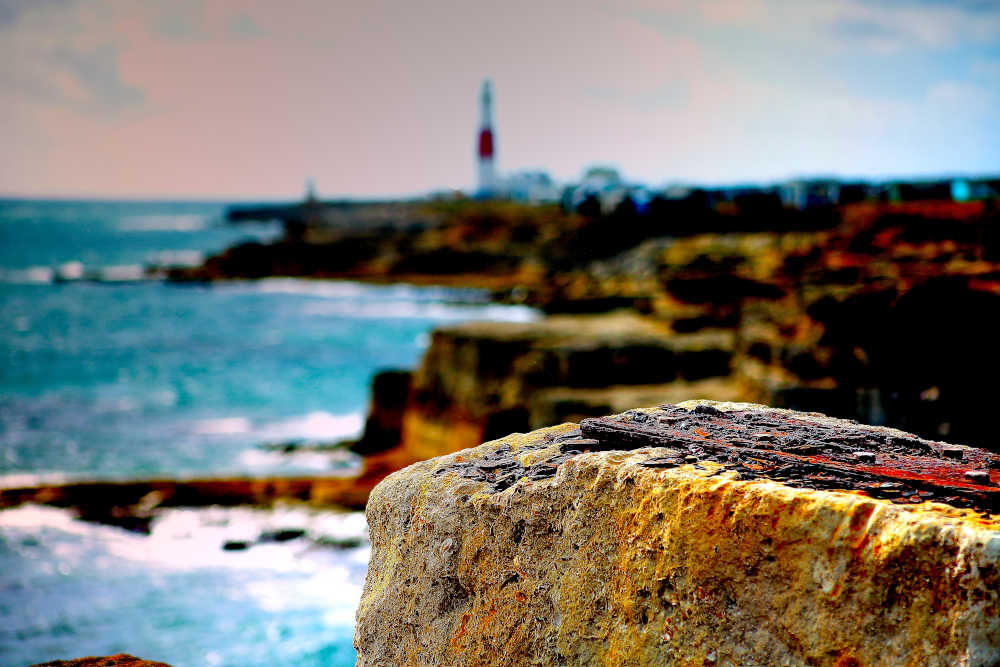
The Rugged Cliffs of Portland Bill
Why Smuggling Flourished in Weymouth and Portland
Weymouth and Portland were ideally placed for smuggling. Their position on the English Channel placed them directly on major shipping routes between England and continental Europe. The rugged coastline, particularly around Portland Bill and Chesil Beach, offered countless landing points where small vessels could come ashore unseen. The coastline around Weymouth and Portland offered countless secluded landing points, while the high up clifftops provided both lookout positions and places to hide contraband.
High import duties on everyday goods such as tea, brandy, wine, tobacco, salt, and cloth made legal trade expensive and often unaffordable. Smuggling allowed these goods to be brought in cheaply, benefitting both smugglers and local residents.
Step into an 18th-century smuggler's cave on the Dorset coast
Hear the steady drip of water from the cave roof and the gentle lap of the tide as it slowly creeps in. Immerse yourself in the sounds and atmosphere of England's historic smuggling past in the smugglers cave ambience video.Weymouth Harbour and Smuggling Activity
Weymouth Harbour, as it is now was a busy working port, and this constant activity provided perfect cover for illicit trade. Smuggled goods could be hidden among legitimate cargoes or transferred quietly between boats at night before being stored in cellars, warehouses, and inns close to the waterfront.Fishing boats were commonly used in smuggling operations. Their presence was unremarkable, and fishermen possessed expert knowledge of tides, currents, and weather - vital skills for avoiding customs patrols. In many cases, smuggling was a community effort, with lookouts posted and warnings passed quickly through the town.
Portland's Role in Dorset Smuggling
The Isle of Portland played an equally important role in smuggling along the Dorset coast. Its isolated position, the rocky shoreline, and the labyrinth of tracks made it difficult for authorities to control. Portland's small coves and beaches were ideal for secret landings, especially during rough weather when patrols were less likely.Smuggled goods landed on Portland were often transported across Chesil Beach or moved inland under cover of darkness, sometimes destined for Weymouth and beyond. Portland's population, accustomed to hard conditions and limited economic opportunities, frequently viewed smuggling as a practical necessity rather than a crime.
Smuggling Routes and Inland Distribution
Once ashore, goods were moved quickly along established smuggling routes. On foot or by horse and cart, contraband was carried through rural Dorset, spreading it to villages, market towns, and even as far as London. Ancient tracks and lanes were deliberately chosen to avoid main roads and customs checkpoints.Inns along these routes provided offering storage, shelter, and equally as important, information/tip-offs that may affect the smugglers routes inland. There is still talk of blocked off cellars, caves and hidden rooms used by the smugglers around the Dorset coast to this day.
Conflict with Customs and the Crown
As smuggling increased, the authorities responded with greater force. Customs officers patrolled the coastline, while naval vessels attempted to intercept smuggling ships offshore. Smugglers often used small fishing boats so as not to attract attention. The increased presence of customs offices often led to violent confrontations, particularly in the 17th and 18th centuries. Local folklore tells of customs officers being assaulted, threatened - and in one infamous story, a customs officer is known to have been thrown over the cliffs along the Dorset coast after uncovering smuggling operations. While the exact details remain uncertain, such stories reflect the real dangers faced by officials and the extreme lengths smugglers would go to protect their trade and how dangerous it was to be a revenue man.Smugglers were neighbours and relatives, while officials were seen as outsiders enforcing unpopular laws, for this reason, customs officers were rarely welcomed in these coastal ports. Communities frequently protected smugglers by providing false information or early warnings of patrols. This community protection helps explain why many Weymouth smugglers avoided arrest and remain unnamed today.
Everyday Life and Smuggling Culture
Smuggling became deeply embedded in everyday life. It provided supplementary income for fishermen, labourers, and farmers, while ensuring access to affordable goods. Children acted as lookouts, women helped conceal contraband, and entire villages could benefit from a single successful landing. Organised gangs of smugglers would work with merchants, innkeepers farmers etc to distribute contraband far inland.This shared involvement helped smuggling become part of Dorset's coastal identity, blurring the line between crime and community survival and making it extremely difficult for the crown to stamp it out.
Famous Smugglers around the Dorset Coast
Although many of the smugglers around Weymouth and Portland blended into the background and don't appear in historical records, there are some records showing smuggling activity in the area. The Dorchester Gaol records show a number of prisoners sentenced for smuggling crimes. There were also the infamous big time smugglers of the era that operated on the south coast, the areas that they controlled covered such vast areas of the south coast that they would undoubtedly have taken part in smuggling activity around the Weymouth and Portland coast.Isaac Gulliver - King of the Smugglers
The most famous smuggler linked to Dorset is Isaac Gulliver (c.1745-1822), often referred to as 'The King of the Smugglers.' Gulliver led the White Wig smugglers, controlling much of the south coast from the New Forest to Devon.Although his operations were centred on Poole Bay, Gulliver's network almost certainly extended to Weymouth and Portland, given the strategic importance of the coastline.
Gulliver became a vastly wealthy man through his control of such a large area of the coast and this enabled him to buy estates and farms, he also had Howe Lodge built in Kinson for his private residence. Demolished in 1958, newspapers reported a number of links directly to Gulliver's smuggling activities including Gulliver built Howe Lodge at Kinson (demolished in 1958), reputed to have included:
- A secret smuggling tunnel that linked to the garden
- A hidden chamber accessible from a secret trapdoor in the lounge
- A concealed hiding place ten feet up a chimney
According to local tradition, Gulliver once faked his own death, lying in a coffin covered in powder to convince excise officers he had already died. While this story cannot be conclusively proven, it remains one of Dorset's most enduring smuggling legends.
In 1782, Gulliver accepted His Majesty's pardon and turned to legitimate business as a banker, and invested his wealth in farms and estates. He died a very wealthy man in 1822, having successfully transformed into respectability.
Other recorded convictions for Smuggling around Weymouth
While most local smugglers escaped documentation, some cases survive in court and gaol records, offering rare insight into everyday smuggling along the Dorset coast:- Roger Ridout - A known smuggler tried for murder following smuggling-related violence; he was found not guilty.
- Martha Lumb (1822) - A Weymouth woman sentenced to three months' hard labour for smuggling.
- The Stickland Brothers (21 September 1840) - Tyneham fishermen sentenced at Dorchester Gaol to six months' imprisonment for smuggling.
The Hawkhurst Gang and Violent Smuggling
The Hawkhurst Gang of Sussex represented one the more extreme and violent sides of smuggling. The gang though based in Sussex also operated in Dorset which their infamous raid on the Poole Custom House shows. It was a highly dangerous and daring raid to attack a government building, in fact a number of none gang members wanted to cancel the operation when seeing the building was covered by naval guns only for the Hawkhurst members to insist on seeing it through. The gang showed their violent side when they murdered a local shoemaker whom they held, beat and threw down a well. Many of the gangs leaders were eventually captured, executed and gibbeted (a punishment not common for smugglers).Customs Officers and the Risks that Enforcement faced
The job of customs officers was a difficult and highly dangerous one as the two cases below show.On 28 June 1832 - Lieutenant Thomas Knight, a Dorset customs officer, was beaten and thrown from a cliff near Lulworth Cove. Those accused of his murder were acquitted, highlighting the strong protection smugglers often received from local populations.
Over fifty years later, Richard Cullin, another customs officer, suffered a similar fate on the Devon coast.
These cases underline the real risks faced by government officers enforcing deeply unpopular laws.
The Decline of Smuggling in Weymouth and Portland
By the early 19th century, smuggling began to decline. Improved law enforcement, better roads, harsher penalties, and reduced import duties made large-scale smuggling less profitable. Weymouth's role as a commercial port and later as a seaside resort gradually replaced its reliance on illicit trade.However, the legacy of smuggling remains visible today in local folklore, historic buildings, ancient inns and local place names. Today, beneath the picturesque harbours and sweeping views of Chesil Beach lies a hidden history of moonlit landings, secret routes, and a coastline shaped as much by smuggling as by legitimate trade. If only we could In the Boots of Smugglers, we can imagine the smugglers coming ashore along the coast on a cold moonlit night.
The legacy of smuggling on Dorset's coast
Below are some of the areas and villages where smuggling would once have been a way of life. Small coves, inaccessible beaches and deep water sea caves were particularly common drop off points for smuggling along the Dorset coast - this means places such as Church Ope Cove, Worbarrow Bay and Chesil Beach and the coast around Lulworth would likely have seen much smuggling activity.
1. Portland Cliffs & Quarries
What to See: Sheer cliffs, quarries, and secret caves.Smuggling Story: Portland's stone quarries were used to hide barrels of spirits and tobacco. Watchers on cliffs would signal safe landings to accomplices on the shore.
In the Boots of Smugglers: Imagine a cold moonlit night, a small fishing boat with a single lantern bobbing around on the waves, silence as the smugglers make their way to one of the isolated coves on Portland.
2. Chesil Beach
What to See: 18-mile shingle bank connecting Portland to West Bay.Smuggling Story: Smugglers transported goods along Chesil Beach under cover of darkness. Its long, curved shingle made it easy to hide landing points and avoid patrols. Different size shingle and pebbles making it easy for these experienced local men to identify exactly where they were.
In the Boots of Smugglers: Imagine the smugglers walking along the beach, rolling barrels in silence as they go. The only sounds of their footsteps and the waves crashing ashore.
3. Chiswell
What to See: A Small village at Portland's northern tip, low down on the island, one of the first places where goods would have been stored or traded.Smuggling Story: Lookouts and hidden cellars allowed goods to move from the beach to village buildings before dawn. Locals often helped guide goods to Weymouth.
In the Boots of Smugglers: Think of a time before daybreak, silence as small organised groups transfer barrels to safehouses in houses along the tiny narrow streets.
4. Wyke Regis, Preston and Osmington
What to See:Wyke Regis is a coastal village west of Weymouth, one of the first villages where goods could be transferred to safe houses. Preston and Osmington are a little further inland.
Smuggling Story: Small coves were used to transfer goods from ships to carts. The village's quiet lanes helped smugglers evade customs patrols. The villages of Preston and Osmington were the first stops for smuggled goods coming inland from the coast. Goods were stored in barns or secret rooms in inns before distribution to markets or towns further inland.
In the Boots of Smugglers: Look for the ancient inns, where contraband would have often been taken. Imagine sitting there in front a cosy roaring fire, seeing smugglers making their way inland, knowing many as friends.
Timeline of Smuggling Along the Weymouth & Portland Coast
Smuggling Becomes Established on the Dorset Coast
Rising import duties on tea, spirits, tobacco and luxury goods lead to widespread smuggling along the Weymouth and Portland coastline. Fishermen and sailors increasingly supplement their income through illegal trade.
Growth of Organised Smuggling Networks
Smuggling expands beyond small landings into organised coastal networks. Isolated coves such as Church Ope Cove and Worbarrow Bay are frequently used to land contraband under cover of darkness.
Isaac Gulliver and the White Wig Smugglers
Isaac Gulliver rises to prominence as leader of the White Wig smugglers, controlling large sections of the south coast. Although centred on Poole Bay, his influence likely extended to Weymouth and Portland.
Isaac Gulliver Accepts the King's Pardon
Gulliver accepts His Majesty's pardon, abandons smuggling and becomes a banker. His transformation highlights the scale of wealth generated by smuggling along the Dorset coast.
Peak of Small-Scale Smuggling Around Weymouth
Smuggling continues on a smaller scale, often supported by local communities. Chesil Beach proves particularly valuable due to its size, steepness, and distinctive pebble formations.
Customs Officer Thomas Knight Killed
Lieutenant Thomas Knight, a Dorset customs officer, is beaten and thrown from a cliff near Lulworth Cove while attempting to suppress smuggling. Those accused of his murder are acquitted.
Decline of Smuggling on the Weymouth Coast
Improved customs enforcement, better coastal patrols, and reduced import duties lead to the gradual decline of smuggling along the Dorset coast.
Explore more of Weymouth's history and surrounding Dorset
Smuggling was once a way of life along the Dorset coast, with hidden coves, quiet beaches, and busy harbours providing the perfect conditions for secret trade. From these shadowy dealings to shipwrecks, war, and everyday coastal life, there's plenty more to discover about Weymouth and the surrounding area. You may also like:
- Weymouth town guide - Explore the town, its harbour, and famous beach
- Shipwrecks on the Weymouth coast - Discover maritime disasters along the Jurassic Coast
- The Black Death in Weymouth - How the plague impacted the town in medieval times
- Dorset history guide - Explore the region's past through the centuries
- Weymouth Harbour today - See how this once-busy smuggling hub has evolved
Own a tourism or visitor-focused business?
Reach visitors planning trips to Weymouth and Dorset.
Learn How to Get Featured
The Nothe Fort is a victorian fort now a museum of life in Weymouth during world war II.

The Pirates Graveyard at Church Ope Cove on Portland is found high above Church Ope Cove.

Tyneham Ghost Village is a deserted village.

There are plenty of things to do in Weymouth when it rains and lots more things to do around Dorset too.

Did you know that the Black Death arrived in England in 1348 through the port of Weymouth.

Portland Harbour History, the Portland Breakwaters, the sinking of HMS Hood and Portland at war.