
Take a Little Piece of Dorset Home
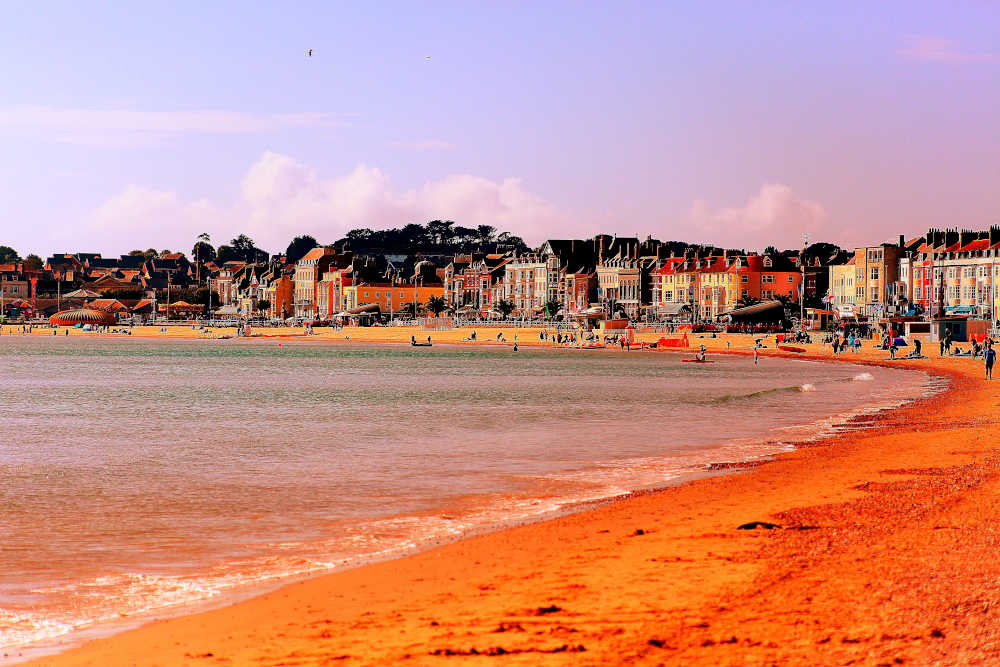
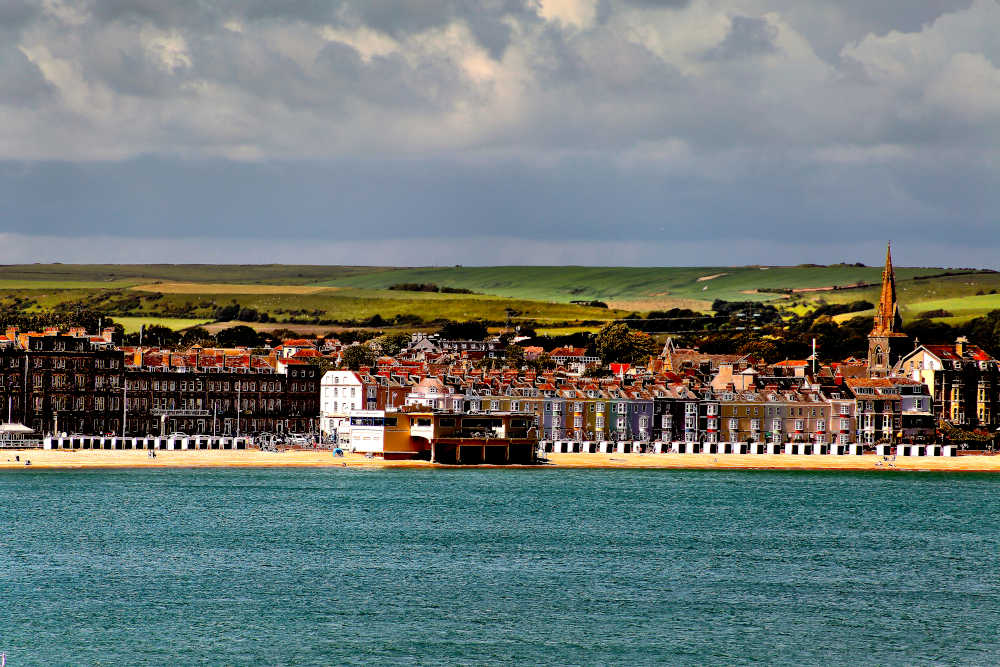
Love exploring Weymouth and Dorset? Take home beautiful coastal photography, digital artwork and local prints from my Folksy store.
Prices start from just £8.50 and include Weymouth Harbour, Weymouth Beach, Portland, Dorset landscapes and many more local scenes.
Shop All Dorset Prints →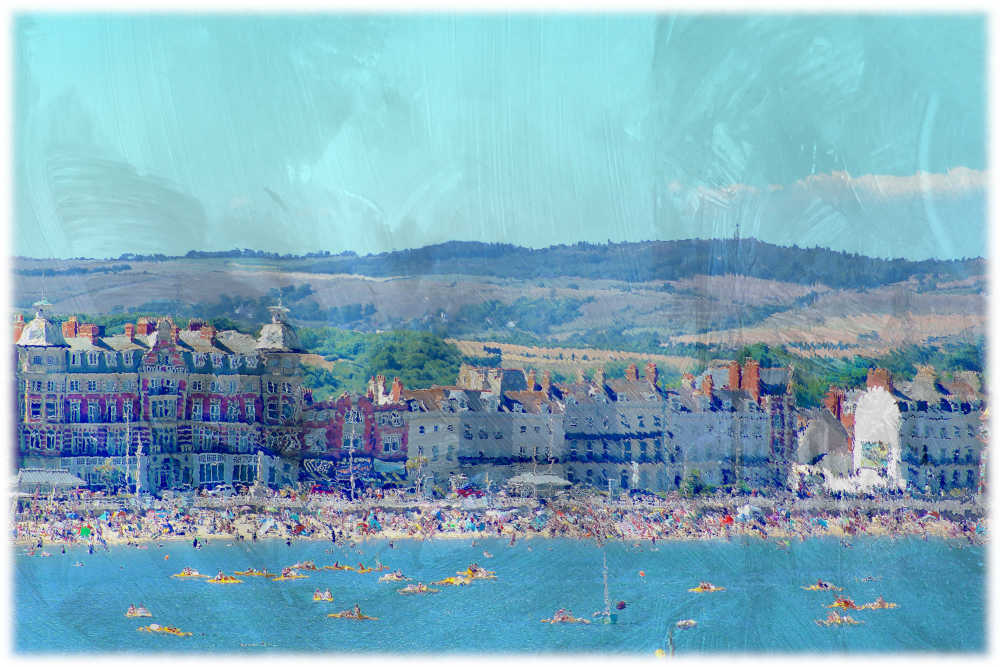
Weymouth Harbour Guide - History, Photos & Walking Tour
Weymouth Harbour sits at the heart of Dorset's Jurassic Coast, where centuries of history meet modern leisure. From colourful fishing cottages and harbourside pubs to historic quays and the bustling modern marina, the harbour is alive with sights, sounds, and stories. Visitors can stroll along the waterfront, watch boats gently sway with the tide, or simply enjoy the scenery of this beautiful harbour.
Visitor Tips for Weymouth Harbour
- Best time to visit: May to September for most of the festivals, boat trips, and lively waterfront activity but the harbour is great place to visit all year round.
- Take a boat trip to see the harbour, Weymouth Bay, or nearby wildlife from the water.
- Walk across the historic Town Bridge to see the old quayside and waterfront buildings on both sides of the harbour.
- Check out local seasonal events and markets for a taste of the harbour's culture.
- Parking and public transport: central Weymouth town is a short walk from the harbour.
Weymouth Harbour Today
The harbour is made up of distinct areas, each with its own character and charm:
Weymouth Old Harbour
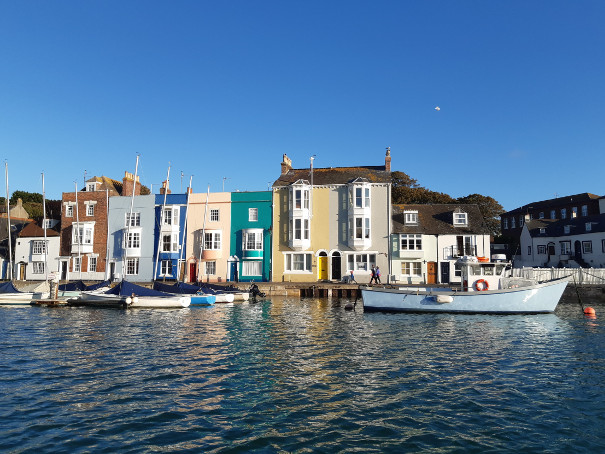
The oldest section is lined with colourful fishermen's cottages and traditional pubs. Originally home to traders and local fishermen, the area retains a timeless charm, perfect for leisurely walks. Cafes, boat hire facilities and character inns make this part of the harbour a vibrant hub for visitors. The festivals usually take place around both sides of the old Harbour.
Town Bridge & Drawbridge Area
The iconic Town Bridge links Melcombe Regis and Weymouth. Today it lifts to allow boats through, but historically it was a key defensive point controlling access between the two sides of the harbour. In the English Civil War, it was the key to preventing the sucess of the Crabchurch Conspiracy.
Commercial Quay
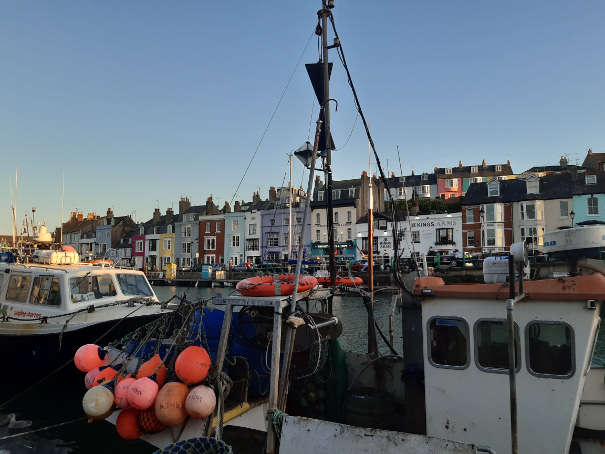
Commercial Quay was once the hub of trade, bustling with merchant ships and cargo. Today, it hosts smaller fishing boats and trawlers. Walking here, you can still feel the maritime history underfoot.
Marina & Inner Harbour
The inner marina is filled with modern yachts and pleasure craft, with mostly new architecture.
The Boroughs of Melcombe Regis and Weymouth
Though Weymouth is now one town, historically for many centuries the harbour separated the two rival ports of Melcombe Regis (on the beach side) and Weymouth on the opposite side. Until the first town bridge was built towards the end of the 16th century, the two towns were bitter rivals
The history of Weymouth Harbour
Weymouth Harbour has a somewhat historic past, from the Romans sailing up the River Wey on their way to Dorchester (or Durnover as they named it) to little ships heading out from here to Dunkirk. The harbour played a key role in the D-Day preparations too whilst many centuries before it was here that the Crabchurch Conspiracy failed during the English Civil War. A few centuries before that, it is believed that the Black Death also touched English shores first here on the Melcombe Regis side.Daily Life on Weymouth Harbour
- Morning: Fishermen prepare their boats while seagulls circle overhead.
- Afternoon: Tourists take boat trips, whilst throughout the day, the drawbridge opens to allow passage of vessels.
- Evening: Pubs and restaurants come alive with lights reflecting on the water.
- Night: A peaceful calm returns, with only gentle creaks from moored boats.
Boat Trips from Weymouth Harbour
Weymouth Harbour is very popular with tourists and visitors, from providing moorings for visiting yachts to offering numerous boat trips, from sea-fishing and white knuckle motorboat rides to gentle cruises around the beautiful Jurassic coast.Seasonal Changes at Weymouth Harbour
- Spring: Boats are prepared for the busy season and there's a jolly atmosphere as summer is on its way.
- Summer: Festivals and crowded boat trips fill the harbour with life.
- Autumn: Golden sunsets paint the harbour, and the pace slows.
- Winter: Storms churn the water, and the harbour is quiet, reflecting centuries of history.
Things You Might Notice Around the Harbour
Even a short walk reveals small details that make Weymouth Harbour unique:
- The smell of salt on a early morning walk and freshly cooked fish & chips
- Crabbing lines hanging from the quayside
- Halyards tapping gently on masts
- Seagulls swooping overhead
- Reflections of the cottages, boats, and sky in calm water
Weymouth Harbour Pictures
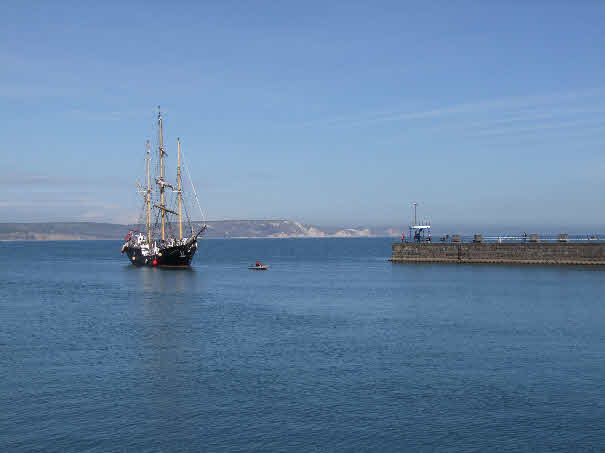
The Weymouth Harbour Pictures below are available to purchase, simply follow the link to Folksy buy.
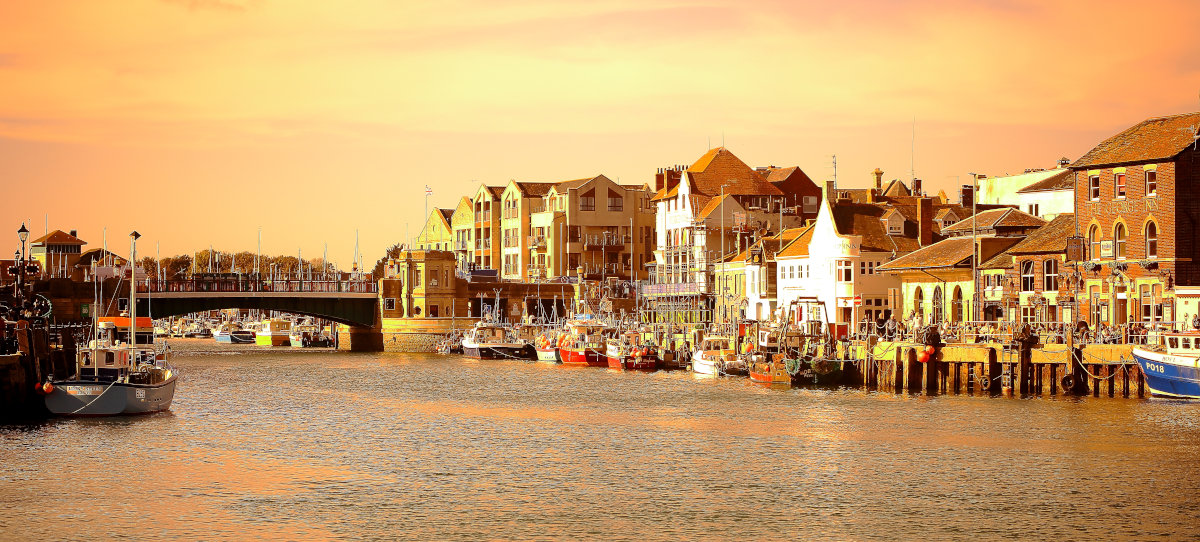
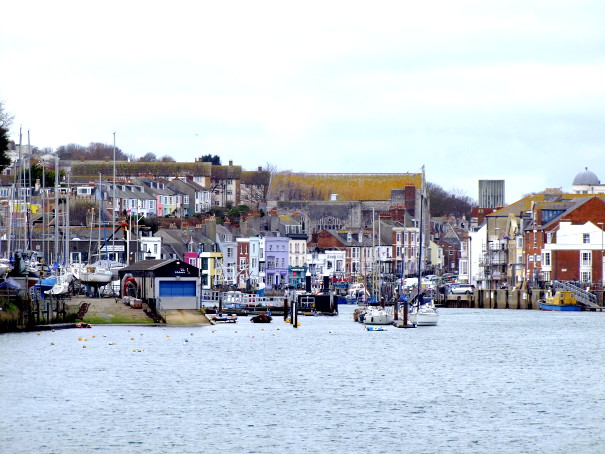
A Modern Day photograph of Weymouth Harbour and Town Bridge

Looking towards Weymouth Side of the Old Harbour from Melcombe Regis

Weymouth Jetty from the Nothe Gardens Digitally Derived Art Print

Weymouth Old Harbour Print

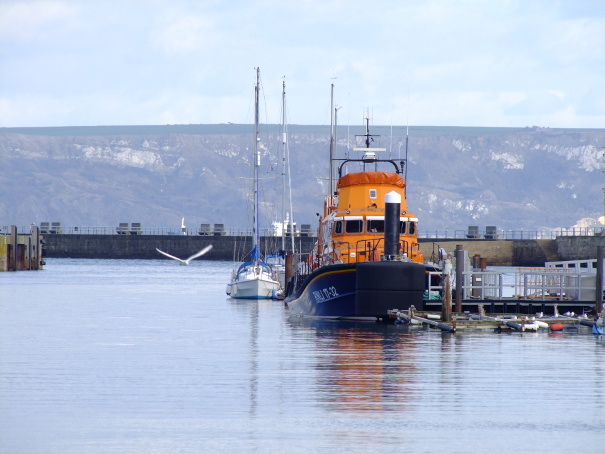
Weymouth Stone Pier Print

Weymouth Harbour Digitally Derived Art Print
The Weymouth Pictures below are not listed in the Gallery, however, if there are any of the Weymouth Harbour pictures here that you would like, please drop me a message and I will add it to my shop
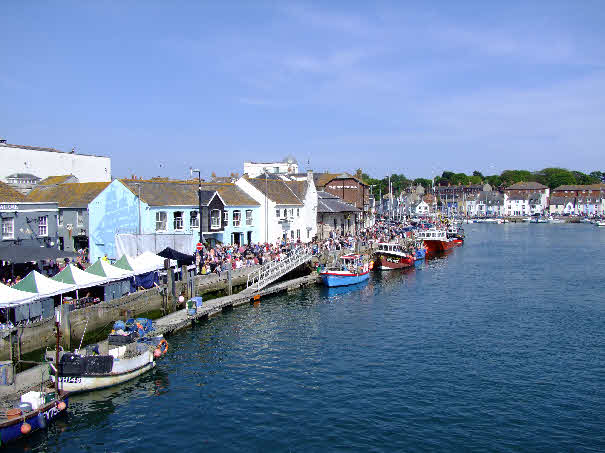 One of the many Weymouth Harbour Festivals. A number of festivals take place around Weymouth harbour throughout the year.

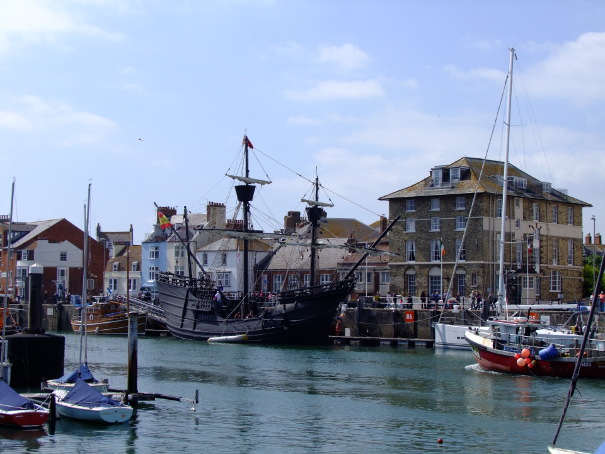
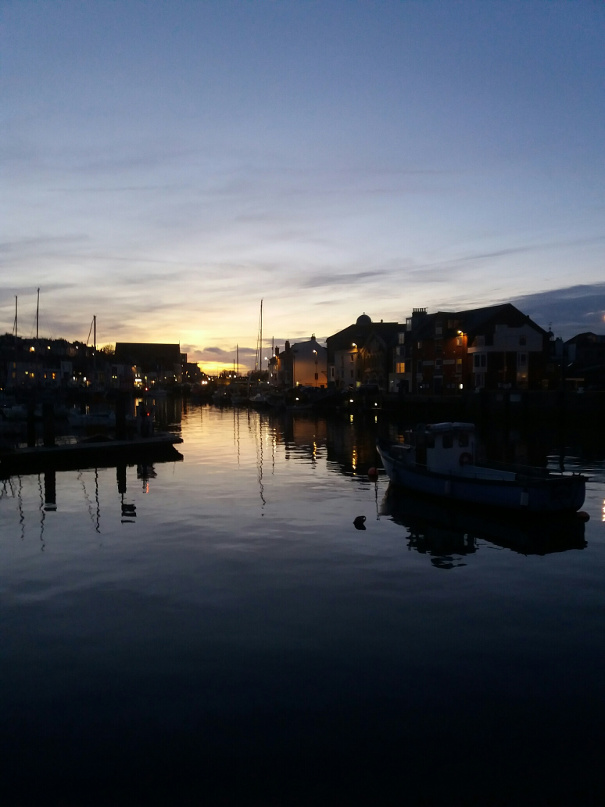
See more views around Weymouth Harbour in this short video (Opens in YouTube).
Weymouth Harbour Facts & Stories
- The drawbridge has been a critical defensive point since the first one was built in the late 16th century.
- Fishing and trade boats have operated here for hundreds of years.
- Royalist and Parliamentarian forces clashed around the harbour during the Civil War.
- Small boats sailed from the harbour as part of the 'Little Ships' Dunkirk effort.
- There used to be a railway right down to the quay with trains running along the harbour.
- Six ships sailed from Weymouth to join England's defence against the Spanish Armada. The San Salvador - a ship of the Armada was captured and brought back to Weymouth before sinking on its way to Portsmouth (in Studland Bay).
Weymouth Harbour Walking Tour - A Moment in Time
Walk around Weymouth Harbour and imagine the centuries of stories that unfolded at each location. Each stop offers a glimpse into the past, anchoring history to a physical place you can still visit today.
1. Town Bridge - Civil War
Standing on the Melcombe Regis side, imagine it's February 1645, the drawbridge is raised as Royalist forces attempt to seize the port. Smoke from musket fire drifts across the quays, while townsfolk watch anxiously. This bridge was a crucial defensive point, controlling access between Weymouth and Melcombe Regis. Walls around the town still bear their battle scars - look for cannon ball scars in Hope Square and the replica cannonball still lodged in the building on Maiden street.
2. Around the Quays - Troops in Wartime
Along the old quays, soldiers would embark for D-Day in 1944. The air would have been alive with orders, footsteps, and the sound of water lapping against the boats.
3. Stone Pier - The Earl of Abergavenny Sinks
In 1805 in Weymouth Bay, the East Indiaman Earl of Abergavenny sank. One of many Shipwrecks along this coast, the tragedy reminded everyone of the dangers faced by sailors along the Dorset coast, even in seemingly calm waters and close to shore. The tragedy still remains one of the most deadly maritime disasters to occur in British waters. From this spot, you would have been able to see where the ship went down.
4. Melcombe Regis Quays - The Black Death
The Black Death reached the shores of England through the port of Melcombe Regis. Looking across Melcombe Regis in 1348, the quays were quiet. Ships carrying goods and people also brought disease, and the Black Death left a lasting mark on the town. Normally bustling, the harbour became a place of fear and loss.
5. Across the Harbour - Nothe Fort Construction
Near the outer harbour, glance across at the site where Nothe Fort was built in the 19th century. Soldiers, masons, and labourers toiled to defend the port, ensuring Weymouth remained secure for centuries to come. Imagine looking over as this huge fort built out of Portland Stone was being constructed.
Weymouth Harbour FAQs
Where is Weymouth Harbour?
Weymouth Harbour is located in the centre of Weymouth, Dorset, between the town centre and the Nothe/Brewers Quay Side. It connects Weymouth Bay with the River Wey.
Is Weymouth Harbour worth visiting?
Yes, Weymouth Harbour is well worth visiting for its historic quays, colourful cottages, boat trips, cafes, and views of the marina and bay.
Can you walk around Weymouth Harbour?
Yes, Weymouth Harbour is ideal for walking. You can stroll along both sides of the quays, cross the Town Bridge, and explore nearby areas such as the marina and Nothe Fort. For a relatively short walk, there is lots to see.
What can you do at Weymouth Harbour?
Popular activities include watching the town bridge lift, taking boat trips, crabbing, sightseeing, enjoying harbour-side cafes and pubs, and absorbing the historical side of the harbour.
Does the bridge at Weymouth Harbour open?
Yes, the Town Bridge opens regularly to allow boats to pass through the harbour. It is a popular sight for visitors. It opens at set times throughout the year.
Is Weymouth Harbour Historic?
Weymouth Harbour has a long history dating back to medieval times. It played roles in trade, fishing, smuggling, the English Civil War, and later coastal defence.
Are there boat trips from Weymouth Harbour?
Yes, several boat trips operate from Weymouth Harbour, including leisure cruises, fishing trips, and trips around Weymouth Bay.
Is it worth visiting Weymouth Harbour all year round?
Yes, Weymouth Harbour can be visited throughout the year. Each season offers a different atmosphere, from busy summer days to calm and dramatic winter views.
Can you park at Weymouth Harbour?
Yes there is some parking onstreet around the harbour, there are also carparks closeby.
Explore more of Weymouth Harbour and the surrounding Dorset coast
Weymouth Harbour is one of the most historic and scenic parts of the town, with its colourful boats, working waterfront, and views stretching across the Jurassic Coast. From maritime history to nearby coastal attractions, there is plenty more to discover in Weymouth and across Dorset. You may also like:
- Weymouth town guide - Explore the harbour, beach, shops, and seaside attractions
- Shipwrecks around Weymouth - Discover the maritime disasters and stories from Weymouth Bay
- Smuggling in Weymouth - Learn how hidden coves and busy harbours were used for secret coastal trade
- Weymouth Beach - The famous sandy beach just a short walk from the harbour
Updated for 2026
Own a tourism or visitor-focused business?
Reach visitors planning trips to Weymouth and Dorset.
Learn How to Get Featured
Latest Articles
Discover our newest guides exploring Dorset's history, hidden gems and fascinating places.
Own a tourism or visitor-focused business?
Reach visitors planning trips to Weymouth and Dorset.
Learn How to Get FeaturedLatest Articles
Discover our newest guides exploring Dorset's history, hidden gems and fascinating places.

The Nothe Fort is a victorian fort now a museum of life in Weymouth during world war II.

The Pirates Graveyard at Church Ope Cove on Portland is found high above Church Ope Cove.

Tyneham Ghost Village is a deserted village.

There are plenty of things to do in Weymouth when it rains and lots more things to do around Dorset too.

Did you know that the Black Death arrived in England in 1348 through the port of Weymouth.

Portland Harbour History, the Portland Breakwaters, the sinking of HMS Hood and Portland at war.