
Take a Little Piece of Dorset Home
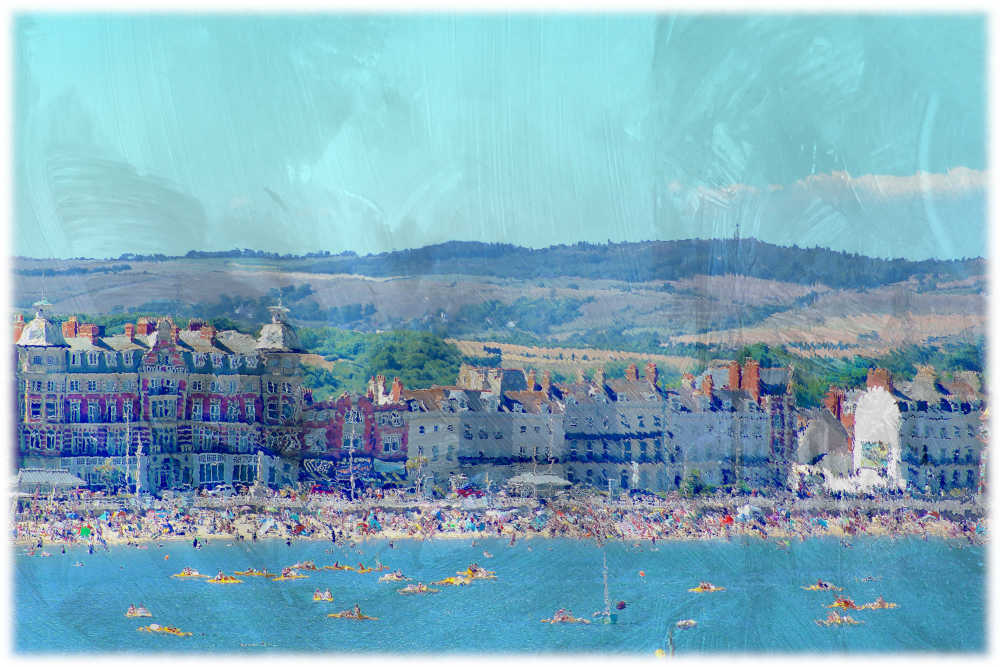
Love exploring Weymouth and Dorset? Take home beautiful coastal photography, digital artwork and local prints from my Folksy store.
Prices start from just £8.50 and include Weymouth Harbour, Weymouth Beach, Portland, Dorset landscapes and many more local scenes.
Shop All Dorset Prints →



Weymouth and Portland in World War II
During the Second World War, Weymouth and the Isle of Portland were transformed from the popular seaside resorts they had been of the 20s and 30s into strategically vital military centres. Their position on the south coast of England placed them at the heart of Britain's coastal defence and later made them crucial to the planning and execution of D-Day and the Normandy landings. This importance brought heavy military activity, air raids and profound changes to everyday life for local people.
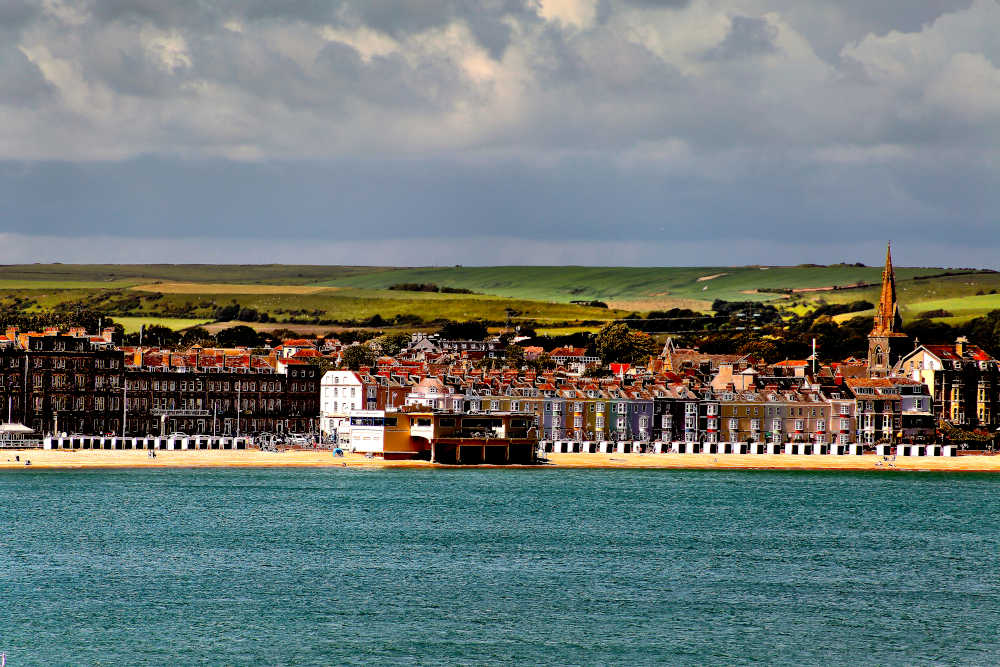
Weymouth Bay from the Nothe Gardens
Strategic Importance and Coastal Defences
From the outbreak of war in 1939, both Weymouth Harbour and Portland Harbour were recognised as key assets. Portland Harbour, one of the largest man-made harbours in the world, served as a Royal Navy base and anchorage for warships, while Weymouth Harbour became increasingly important for transport, supply and troop movements.
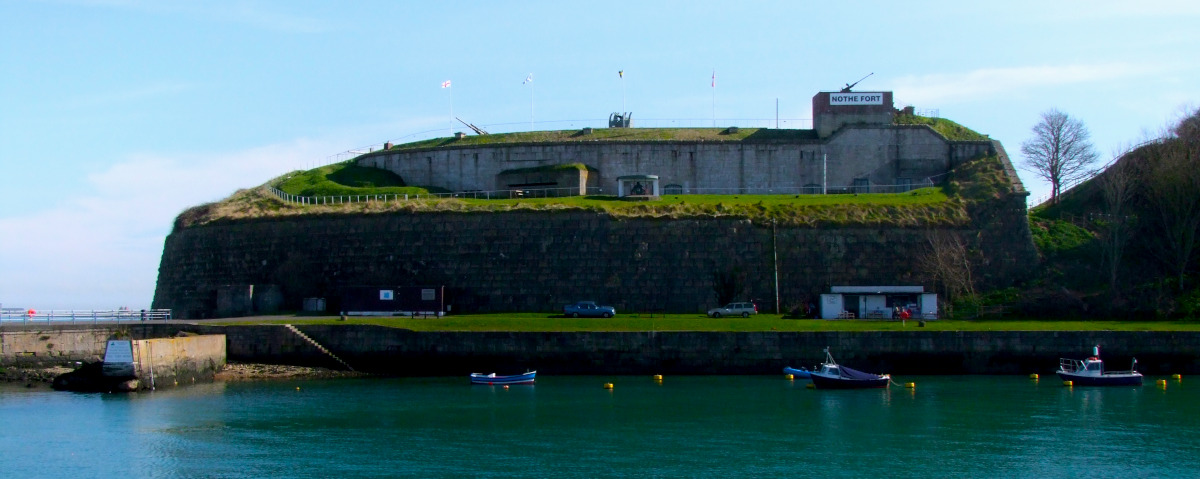
To protect these assets, extensive coastal and anti-aircraft defences were established. Nothe Fort, guarding the entrance to Weymouth Harbour, was reactivated with anti-aircraft guns and searchlights, while heavy batteries such as those at the Verne and East Weare on Portland defended the naval base and surrounding waters. Pillboxes, barbed wire and beach obstacles appeared along Weymouth Beach, Greenhill and Chesil Beach, fundamentally changing the familiar seaside landscape.
Air Raids in Weymouth and Civilian Casualties
Because of its naval significance, Weymouth suffered frequent German air raids, particularly between 1940 and 1942. Bombing targeted the harbour areas, rail links and nearby military installations. Streets around Chapelhay, Maiden Street and the town centre were badly damaged, homes were destroyed and civilians were killed or injured. Particularly heavy bombing through 1940, 1941 and 1942 destroyed many Weymouth houses and killed many residents.Air raid sirens became a constant presence in daily life. Families sheltered in basements, public shelters or reinforced rooms as bombs fell nearby. The effects of bombing lingered long after the raids themselves, with many residents forced to rebuild their lives amid ongoing wartime shortages.
Step back in time and experience what it would have been like in an Anderson shelter
During the blitz, many a Weymouth citizen would have spent their nights throughout the year, including the festive period in anderson shelters such as the one recreated in this peaceful WW2 air raid shelter rainfall ambience video. Hear the gentle rainfall on the roof, and the quiet of a shelter during an air raid. Imagine being in there for hours on end, hoping not to hear enemy planes and waiting for the all clear siren to go - perfect for history enthusiasts, relaxation, or sleep.The Home Guard in Weymouth and Portland
After the fall of France in 1940, fears of invasion led to the rapid formation of the Local Defence Volunteers (LDV), later renamed the Home Guard. A Home Guard was established across Weymouth and Portland. These units were made up of men too young, too old or in reserved occupations, yet their role was taken seriously given the vulnerability of the Dorset coast.Home Guard patrols covered Weymouth Beach, the Nothe, Bowleaze Cove, Chesil Beach and surrounding countryside, watching for enemy landings or parachutists. Roadblocks would have been set up on key routes into the town, such as the approaches from Upwey, Preston and Radipole, while guards protected fuel depots, docks, railways and communication lines.
On Portland, Home Guard units worked alongside regular forces stationed around the naval base and the Verne. Night patrols during blackout hours were common, and early training was often basic, with some volunteers initially issued outdated weapons. Despite this, local knowledge and dedication made the Home Guard an important deterrent and a reassuring presence for civilians.
Life on the Home Front in Wartime Weymouth
For civilians, life on the home front in Weymouth during World War II was shaped by rationing, blackout restrictions and constant uncertainty. Food was strictly controlled through ration books, limiting essentials such as meat, sugar, butter and tea. Many families grew their own vegetables as part of the Dig for Victory campaign, using allotments and private gardens across the town, every inch counted.Blackout regulations transformed Weymouth after dark. The Esplanade, once brightly illuminated, was plunged into darkness; windows were blacked out and vehicles moved cautiously with dimmed headlights. Navigating the town at night was difficult and sometimes dangerous, particularly during air raid warnings.
Children, Evacuation and School Life
Children's lives were heavily disrupted by the war. Some Weymouth children were evacuated inland to safer parts of Dorset, while others remained and attended schools that were often relocated, shared or temporarily closed following air raids. Gas mask drills, air raid warnings and lessons interrupted by sirens became routine.Playgrounds were replaced with sandbags and military installations, yet children adapted quickly, finding moments of normality amid wartime restrictions. Many wartime children could recall the dogfights during the battle of Britain or seeing Nazi planes flying over.
Women, Civil Defence and Community Spirit
As men left for military service, women took on vital roles across Weymouth and Portland. Many worked in hospitals, dockyard support roles, food distribution and civil defence, while others joined the Women's Voluntary Service (WVS) to help evacuees and families affected by bombing.Air Raid Precautions (ARP) wardens patrolled local streets enforcing blackout rules, guiding residents to shelters and responding after raids. Fire watchers climbed rooftops to deal with incendiary bombs, often at great personal risk. These roles were essential to keeping the town functioning during the war.
Despite hardship, morale remained strong. Community halls hosted dances and concerts for civilians and servicemen, while pubs - though limited by rationing - became centres of shared news, rumours and solidarity.
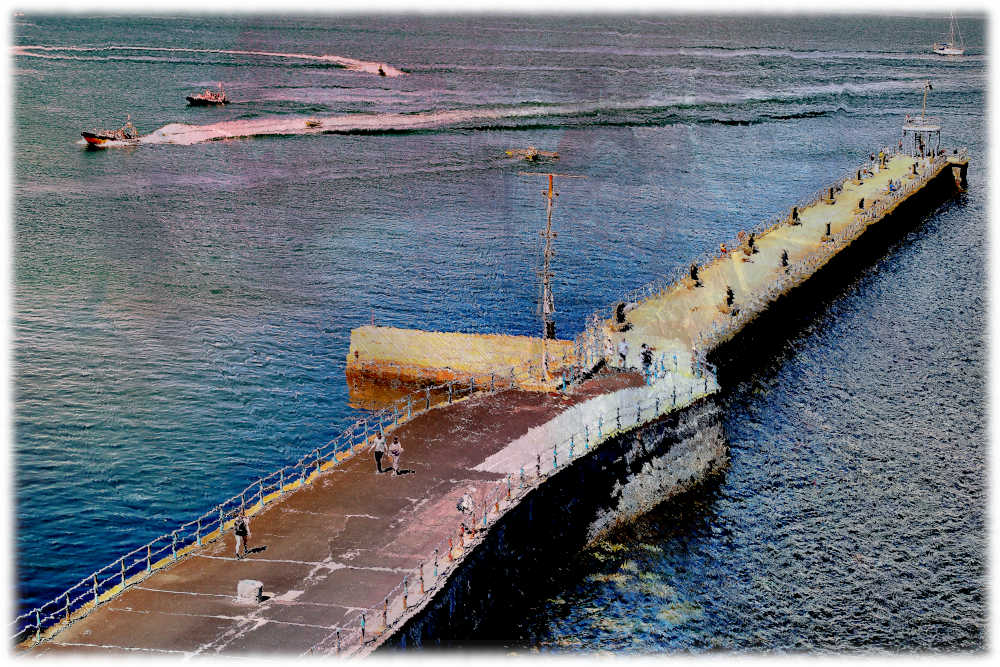
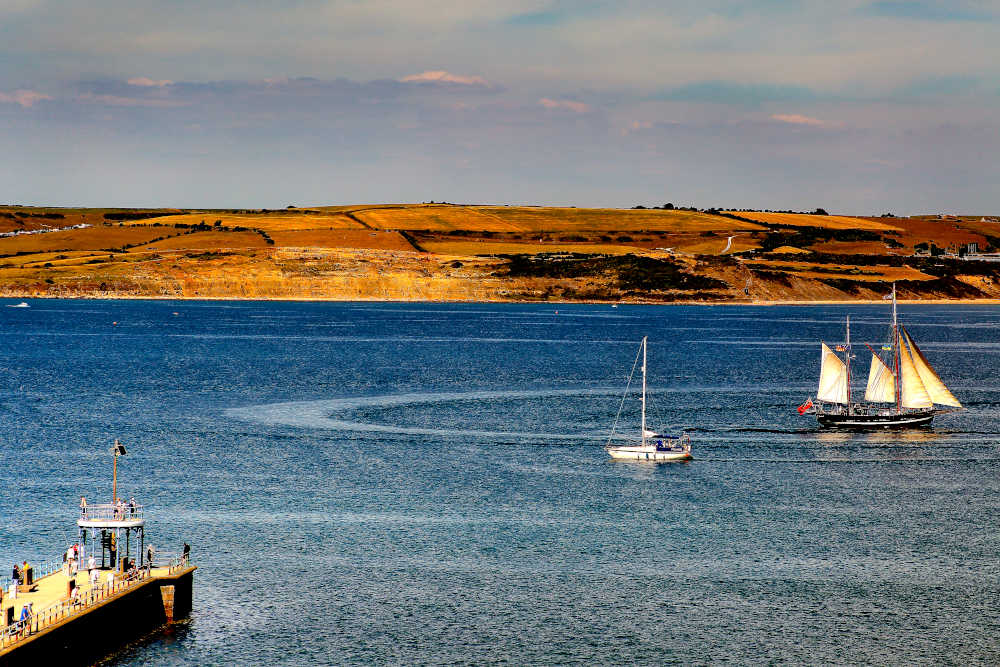
A digitally derived artwork of Weymouth Stone Pier from the Nothe Gardens
Weymouth, Portland and D-Day
From 1943 onwards, Weymouth and Portland took on a central role in preparations for Operation Overlord, the Allied invasion of Normandy. Both harbours became major embarkation points for troops, vehicles and equipment. In the weeks leading up to D-Day on 6 June 1944, the area was placed under strict security as thousands of Allied soldiers were marshalled nearby.
Between D-Day and the end of the war, over half a million Allied troops and around 150,000 vehicles departed from Weymouth and Portland for France. The surrounding area hosted camps, hospitals, workshops and prisoner-of-war facilities, while Portland Harbour also played a role in trials connected to the Mulberry Harbours, two of whose concrete Phoenix caissons remain visible today. These huge structures are left over legacies of the war.
Training, Loss and Sacrifice
The region was also connected to dangerous training exercises. During Exercise Tiger in April 1944, German E-boats attacked Allied training vessels off the south coast. Some casualties were brought back to Portland, a sobering reminder of the risks faced even before the Normandy landings began.The War's End and Lasting Legacy
After Victory in Europe in May 1945, Weymouth and Portland welcomed returning Allied forces, refugees and prisoners of war. German U-boats surrendered in Weymouth Harbour, marking the end of wartime hostilities for the town. U-249 was the first German U-boat to surrender, brought into Weymouth, she carried 5 officers and 43 ratings when she surrendered on May 10th 1945.Today, memorials such as the Weymouth D-Day Port Memorial on the Esplanade and preserved sites like Nothe Fort ensure that the contribution of both servicemen and civilians is remembered. From Home Guard patrols and blackout nights to the departure of thousands of troops for Normandy, Weymouth and Portland played a vital role in Britain's World War II story.
Explore more of Weymouth's history and surrounding Dorset
Weymouth played an important role during World War II, particularly in the lead-up to D-Day and coastal defence. This wartime history is just one part of the town's wider story, from royal visits to earlier conflicts and life along the Jurassic Coast. There's plenty more to discover about Weymouth and the surrounding Dorset area. You may also like:
- Weymouth town guide - Explore the town, its harbour, and famous beach
- Weymouth in World War I - Learn about the town's role during the First World War
- Weymouth museums and forts - Discover Nothe Fort, Portland Castle, and more
- Dorset history guide - Explore the region's past through the centuries
- Tyneham Village - A village evacuated during the war and never reoccupied
Own a tourism or visitor-focused business?
Reach visitors planning trips to Weymouth and Dorset.
Learn How to Get FeaturedLatest Articles
Discover our newest guides exploring Dorset's history, hidden gems and fascinating places.

The Nothe Fort is a victorian fort now a museum of life in Weymouth during world war II.

The Pirates Graveyard at Church Ope Cove on Portland is found high above Church Ope Cove.

Tyneham Ghost Village is a deserted village.

There are plenty of things to do in Weymouth when it rains and lots more things to do around Dorset too.

Did you know that the Black Death arrived in England in 1348 through the port of Weymouth.

Portland Harbour History, the Portland Breakwaters, the sinking of HMS Hood and Portland at war.