

Take a Little Piece of Dorset Home
Love exploring Weymouth and Dorset? Take home beautiful coastal photography, digital artwork and local prints from my Folksy store.
Prices start from just £8.50 and include Weymouth Harbour, Weymouth Beach, Portland, Dorset landscapes and many more local scenes.
Shop All Dorset Prints →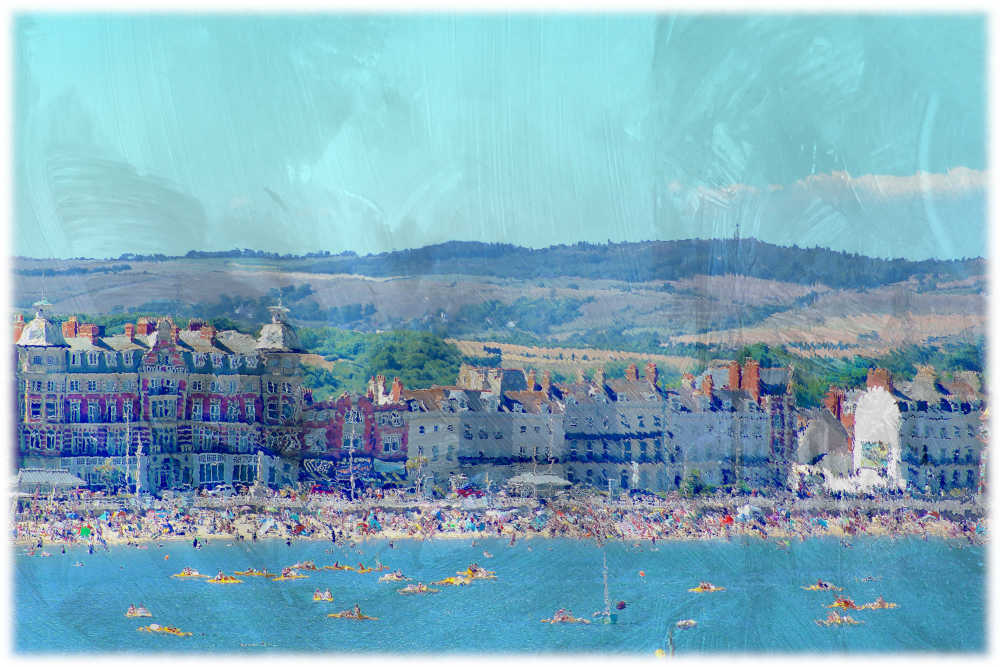


Weymouth in the Roaring Twenties: Seaside Glamour and Change in the 1920s
The Roaring Twenties brought optimism and social change to Britain, and Weymouth in the 1920s reflected this new spirit. Emerging from the shadow of the First World War, the Dorset seaside town enjoyed renewed popularity as a holiday destination, blending elegance, entertainment and tradition.Weymouth as a Leading Seaside Resort
During the early 1920s, Weymouth was firmly established as one of southern England's most fashionable seaside towns. Improved rail links made travel easier, drawing visitors from London and the Midlands to enjoy the wide sandy beach and elegant Georgian Esplanade.Hotels, guest houses and boarding houses flourished along the Esplanade, while the broad sandy beach remained (as it does today) the towns greatest draw.
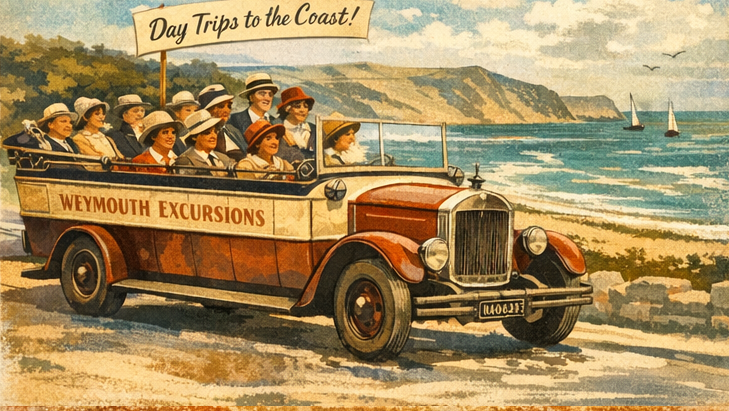
After the war tourists flocked to Weymouth
A major landmark at the start of the decade was the Royal Baths, situated on St Thomas street, the Royal baths had been a popular attraction since its opening in 1842. The baths, with salt water pumped directly from the sea had long symbolised Weymouth's status as a health resort. Although traditional sea bathing was beginning to decline in popularity, the Royal Baths remained part of the town's identity until their demolition in 1927, marking the end of an era.
Entertainment, Leisure and Nightlife
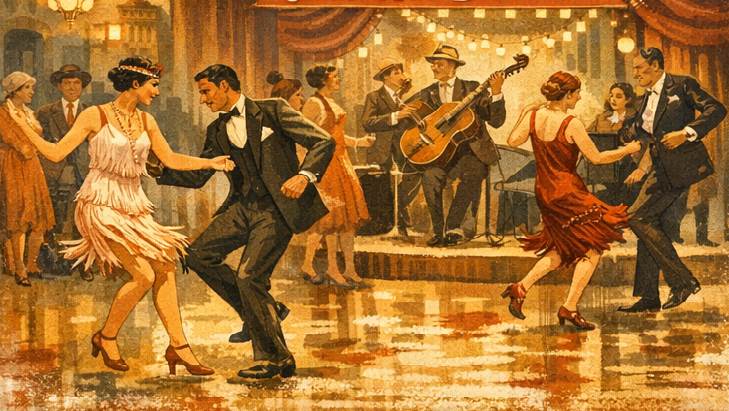
Jazz and dances such as the Charleston would have been popular in 1920s Weymouth
Entertainment flourished in 1920s Weymouth. Dance halls, theatres and cinemas reflected national trends, while jazz music and social dancing brought a sense of modernity to the town.
The Pavilion (opened pre war in 1908) and other venues hosted concerts and variety shows, while evening promenades along the seafront remained a central part of holiday life. Weymouth successfully balanced traditional seaside refinement with the excitement of modern leisure.
Weymouth Harbour in the 1920s
Despite the growth of tourism, Weymouth Harbour remained a working port. Fishing boats, coastal traders and ferries operated alongside pleasure craft, creating a lively waterfront that connected the town's maritime past with its modern resort image.Seasonal employment increased, with many local families relying on summer visitors for income, particularly in hospitality and entertainment.
A Decade of Transition
The roaring twenties brought visible change too, women's fashions became less restrictive, leisure time increased, and attitudes toward recreation relaxed. The beach and Royal Baths were places not just of health, but of enjoyment and socialising.Overall, Weymouth in the 1920s reflected a town enjoying renewed confidence, balancing tradition with modernity during a transformative decade.
Towards the end of the decade, the demolition of the Royal Baths in 1927 symbolised wider change. By the end of the decade, Weymouth was shifting away from its spa-town roots toward a future focused more firmly on entertainment and mass tourism.
The 1920s remain a defining period in Weymouth's history - a decade when tradition gave way to modern seaside life. A decade enjoyed by many before the hardships of the 30s and the start of another world war.
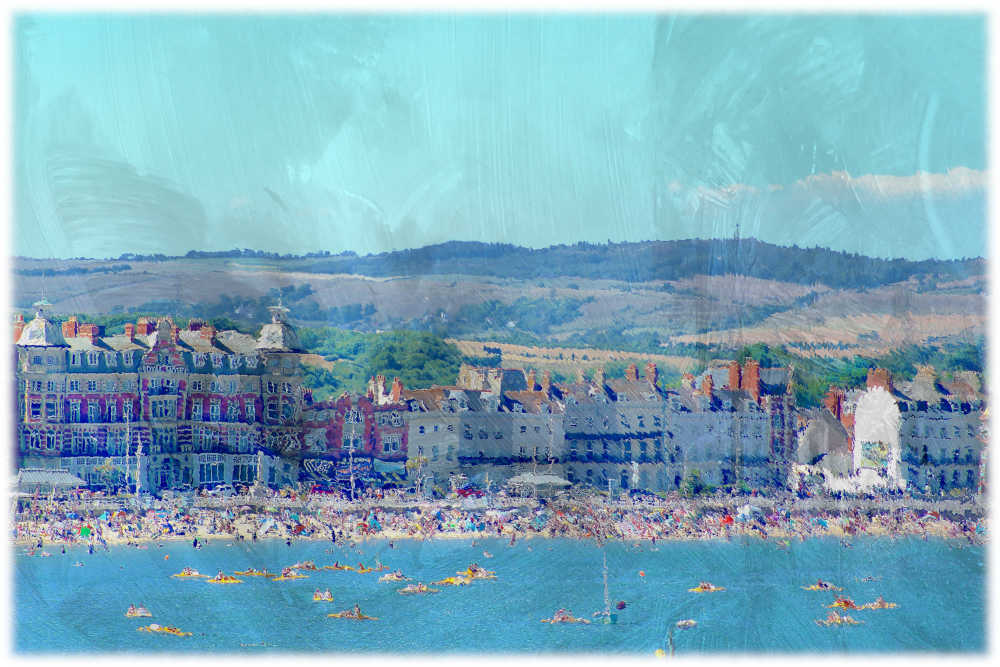
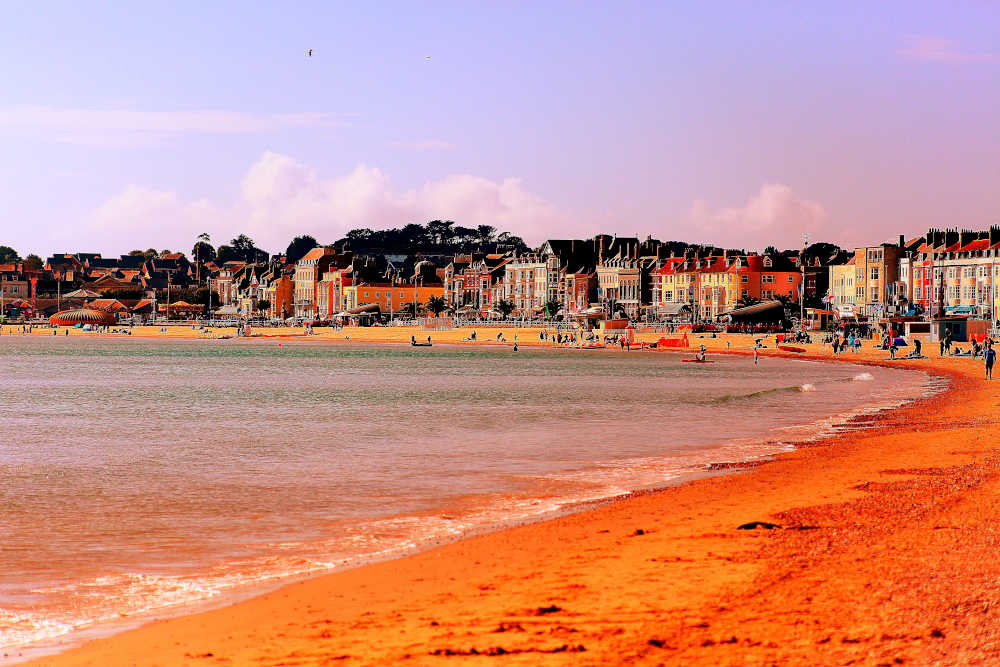
A digitally derived depiction of the modern Weymouth Seaside Resort
Places and Events in 1920s Weymouth
As a popular holiday destination, Weymouth in the Roaring Twenties offered a wide range of theatres, cinemas and dance halls to entertain its many visitors.
The Weymouth Pavilion
Built in 1908, the Weymouth Pavilion was the town's key entertainment venue throughout the 1920s. If you wanted an evening of enjoyment, this was the place to be. The Pavilion hosted comedies, amateur dramatics, operas and popular theatre productions, attracting both locals and holidaymakers.
Alexandra Gardens Theatre
In 1924, the Alexandra Gardens Concert Hall and Theatre opened, providing even more live entertainment for Weymouth's bustling holiday crowds. Concerts, variety performances and community shows were regular features.
The Regent Theatre
Reopened in 1926, the Regent Theatre on St Thomas Street offered a cinema, cafe and dance hall. Known simply as 'The Regent' to locals, it staged variety shows and silent film screenings. The building was renamed several times during its history before being demolished around 1990.
These venues offered a lively programme of theatre shows, silent movies and popular dances throughout the decade.
The Seaside in the 1920s
During the 1920s, Weymouth Esplanade was widened to accommodate the growing number of visitors enjoying the traditional seaside promenade. The Jubilee Clock Tower was repositioned further back from the beach onto the newly widened Esplanade, becoming a central meeting point.
Seafront shelters were built to allow visitors to sit and enjoy views across Weymouth Bay. Gardens and landscaping improvements added tennis courts and bowling greens along the seafront.
Many attractions still associated with Weymouth today were already popular in the Roaring Twenties, including donkey rides on Weymouth Beach and traditional Punch and Judy shows for children.
Events in 1920s Weymouth
Typical events enjoyed in Weymouth during the Roaring Twenties included:
- Band concerts and social dances held in theatres and public gardens
- Early silent film screenings at the Weymouth Pavilion and the Regent Theatre
- Beach activities such as sandcastle competitions and swimming contests
A Typical 1920s Weymouth Holiday Itinerary
This example itinerary shows how visitors might have spent a week holidaying in Weymouth during the Roaring Twenties, combining seaside leisure, harbour life and evening entertainment.
Monday - Arrival & Promenade
Morning: Arrival by train at Weymouth Station, followed by check-in at a seafront boarding house along the Esplanade.
Afternoon: A gentle stroll along the Esplanade, stopping near the Jubilee Clock Tower for photographs and views across Weymouth Bay.
Evening: A traditional seaside promenade after supper, watching the lights come on along the front and listening to informal music near the gardens.
Tuesday - Beach & Harbour Life
Morning: Beach time on Weymouth Sands, including paddling, swimming, donkey rides and beach games.
Midday: Lunch at a cafe or tea room near King's Statue.
Afternoon: A walk around Weymouth Harbour, watching fishing boats unload their catches and pleasure craft come and go.
Evening: A silent film showing at the Regent Theatre (later the Gaumont), often accompanied by live piano or a small orchestra.
Wednesday - Excursions & Shopping
Morning: A short boat trip in Weymouth Bay or an excursion towards Portland Harbour.
Afternoon: Shopping along the High Street and St Nicholas Street for souvenirs, postcards, sweets, seaside clothing and tobacco.
Tea: Afternoon tea at a hotel such as the Crown Hotel or at a harbour-side tearoom.
Evening: Social dancing or a concert evening at the Weymouth Pavilion.
Thursday - Gardens & Culture
Morning: Relaxation in Alexandra Gardens or nearby public gardens, enjoying reading and people-watching.
Afternoon: Tennis or bowls in the gardens, or sketching the bay - a popular pastime for visitors.
Evening: A live performance at the Alexandra Gardens Theatre (after its opening in 1924), featuring musical comedy, variety shows or amateur operatic society productions.
Friday - Regatta & Waterfront Buzz
Morning: Watching yacht races organised by the Weymouth Sailing Club, visible from the pier and Esplanade.
Midday: Harbour-side lunch while spectators gather to watch the racing.
Afternoon: Carnival-style stalls and waterfront activity near the harbour during
Explore more of Weymouth's history and surrounding Dorset
The 1920s saw Weymouth thrive as a popular seaside resort, with visitors flocking to enjoy its beach, promenade, and lively atmosphere following the First World War. This vibrant period is just one part of the town's story, from royal connections to maritime history and coastal life. There's plenty more to discover about Weymouth and the surrounding Dorset area. You may also like:
- Weymouth town guide - Explore the town, its harbour, and famous beach
- Shipwrecks on the Weymouth coast - Discover maritime disasters along the Jurassic Coast
- King George III in Weymouth - Discover how royal visits helped shape the town as a seaside resort
- Dorset history guide - Explore the region's past through the centuries
- Weymouth Harbour today - See how the harbour has evolved from a working port to a visitor attraction
Own a tourism or visitor-focused business?
Reach visitors planning trips to Weymouth and Dorset.
Learn How to Get FeaturedLatest Articles
Discover our newest guides exploring Dorset's history, hidden gems and fascinating places.

The Nothe Fort is a victorian fort now a museum of life in Weymouth during world war II.

The Pirates Graveyard at Church Ope Cove on Portland is found high above Church Ope Cove.

Tyneham Ghost Village is a deserted village.

There are plenty of things to do in Weymouth when it rains and lots more things to do around Dorset too.

Did you know that the Black Death arrived in England in 1348 through the port of Weymouth.

Portland Harbour History, the Portland Breakwaters, the sinking of HMS Hood and Portland at war.