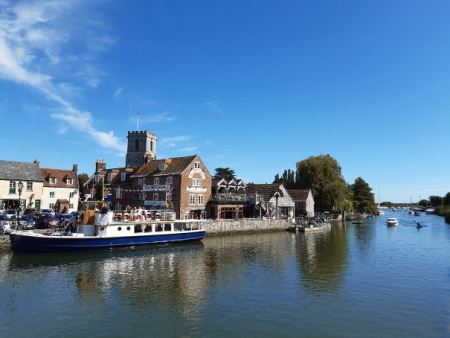

Take a Little Piece of Dorset Home
Love exploring Weymouth and Dorset? Take home beautiful coastal photography, digital artwork and local prints from my Folksy store.
Prices start from just £8.50 and include Weymouth Harbour, Weymouth Beach, Portland, Dorset landscapes and many more local scenes.
Shop All Dorset Prints →


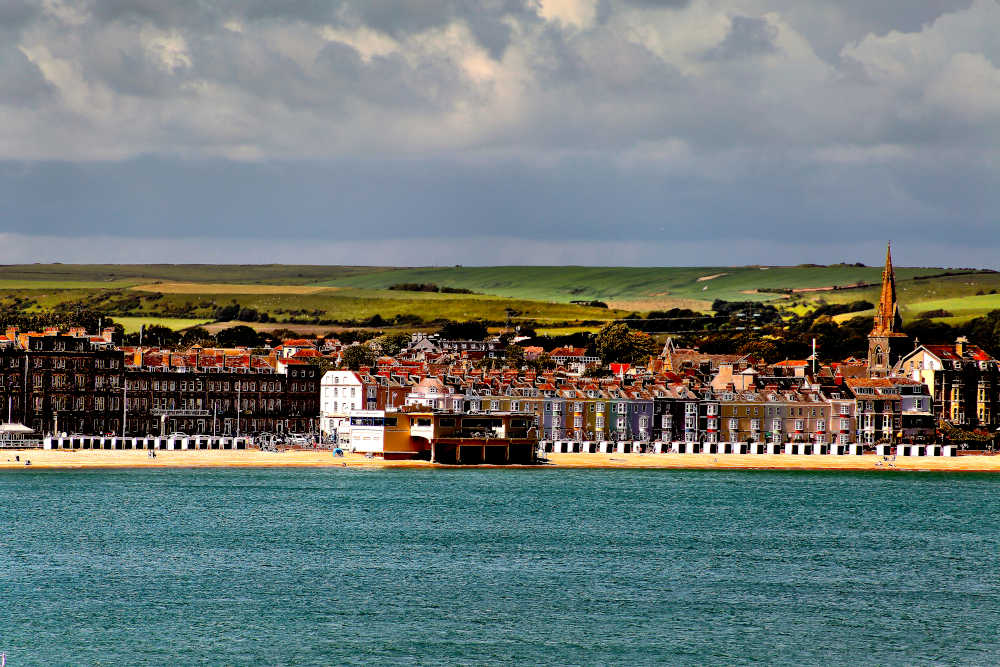
Visit Wareham Dorset: Saxon Walls, Castle History and Riverside Walks
Top Things to Do in Wareham Dorset
Planning a visit to Wareham? Here are some of the best things to do to experience this historic Saxon town and its surroundings:
- Walk the ancient Wareham Walls (Wareham Castle) and follow the full circuit
- Relax at Wareham Quay with views over the River Frome
- Take a boat trip along the river through peaceful countryside
- Enjoy a drink or meal at one of the quay-side pubs
- Browse Wareham's independent shops and weekly market
- Spot wildlife along the riverbanks and nearby nature reserves
- Visit nearby Corfe Castle and Swanage
- Explore Tyneham Village and the Lulworth Range Walks (when open)
- Use Wareham as a base to explore the Jurassic Coast
Wareham is one of Dorset's most historic and picturesque towns, set between the River Frome and River Piddle and surrounded by ancient earthwork walls. With its Saxon origins, riverside setting, and connections to some of England's most dramatic historical events, Wareham offers a unique glimpse into the past.
Today, it is a peaceful town of riverside walks, pubs, and independent shops, but beneath the surface lies a history shaped by Viking invasions, Saxon kings, civil war, and public executions.
The Wareham Walls and Wareham Castle
Wareham is one of the best-preserved Saxon walled towns in England. The Wareham Walls were built in the 9th century by Alfred the Great as part of a network of fortified towns designed to defend against Viking invasions.
Constructed from earth, the walls still surround much of the town today. On three sides, they form a strong defensive barrier, while the River Frome provided protection on the fourth. In its time, Wareham would have been extremely difficult to attack.
Within these defences once stood Wareham Castle. Today, only the earthworks and foundations remain, but they mark the site of what was once a key defensive stronghold. The town saw centuries of conflict, including Viking attacks and later involvement in the English Civil War, when it was eventually captured by Parliamentarian forces.
One of the most striking and darker parts of Wareham's history lies along the western wall, known as the Bloody Bank. This was the site of executions, including those following the Monmouth Rebellion in 1685.
After the rebellion, Judge Jeffreys sentenced many men to death during the Bloody Assizes. Several were executed here, suffering the brutal punishment of being hanged, drawn and quartered.
Centuries earlier, the site was also linked to the execution of Peter de Pomfret and his son, who were dragged through the town and hanged after falsely prophesying the downfall of King John.
Challenge: Walk along the top of the Wareham Walls and imagine standing guard here in Saxon times, watching for Viking ships approaching along the river. The landscape around the town has changed very little, making it easy to picture how it once looked.
Did you know? Wareham is one of the few places in England where you can still walk almost the entire circuit of Saxon defensive walls, over 1,000 years after they were built.
Bloody Bank, Wareham: A Dark Chapter in Dorset's History
Along the western edge of the Wareham Walls lies a place with one of the most chilling names in Dorset - Bloody Bank. Today, it is a peaceful stretch of grass and earthworks, but centuries ago it was the site of public executions and brutal punishment.
Bloody Bank became most infamous during the aftermath of the Monmouth Rebellion in 1685. Following the failed uprising against King James II, captured rebels were brought before Judge Jeffreys during what became known as the Bloody Assizes.
Many of those sentenced were condemned to death, and several were executed here at Wareham. The punishment was severe even by the standards of the time - men were hanged, drawn and quartered in front of crowds, their fate serving as a warning to others.
The history of Bloody Bank stretches back even further. In the early 13th century, a hermit named Peter de Pomfret and his son were dragged through the town and executed here after falsely predicting the downfall of King John. Their deaths were intended to demonstrate the consequences of challenging royal authority.
These events are a stark reminder that Wareham was not just a defensive stronghold, but also a place where justice - often harsh and unforgiving - was carried out in full view of the public.
Imagine: Stand on the western walls in silence and picture the scene centuries ago. Crowds gathered, the town watching, and the full weight of the law carried out in a very public and brutal way. It is hard to reconcile that past with the peaceful surroundings you see today. You are standing in the exact spot of these macbre displays, separated only by time.
Did you know? The Bloody Assizes led to hundreds of executions and deportations across the West Country. Wareham's Bloody Bank was just one of several sites where sentences were carried out. Maumbury Rings in Dorchester also held these executions.
Challenge: As you walk the Wareham Walls, see if you can locate Bloody Bank and pause for a moment. Without distractions, reflect on how justice and punishment have changed over the centuries (there is an information board identifying the location).
Today, Bloody Bank is quiet, green, and easy to miss if you do not know its story. But once understood, it adds a powerful and thought-provoking layer to any visit to Wareham.
Wareham Quay and Boat Trips
Wareham Quay is one of the most attractive spots in Dorset. With open views across the river, picnic areas, and a selection of pubs and cafes, it is the perfect place to relax.
Boat trips depart from the quay, offering a gentle journey along the River Frome through peaceful countryside. Paddle-boarding is also popular here, and the calm waters make it ideal for a slower pace of exploration.
The riverbanks are rich in wildlife, and nearby Arne Nature Reserve is one of the best places in Dorset for spotting birds and other wildlife.
Tip: Visit Wareham Quay on a warm, dry day and take your time. Sitting by the river with a drink or picnic is one of the simplest and most enjoyable experiences in the town.
Wareham Pubs, Shops and Market
Wareham has a good selection of pubs, many offering food and some with live entertainment. Several are located near the quay, making them ideal for relaxing with a view.
The town also has a number of independent shops, and a weekly market is usually held on Saturdays at Wareham Quay, adding to the town's traditional charm.
Things to Do in Wareham
Wareham is a great place for a relaxed day out in Dorset. As we describe above, you can walk the Wareham Walls, explore the riverside, take a boat trip, or simply enjoy a picnic by the water but it's location also makes it a perfect base for exploring nearby attractions including Swanage, Corfe Castle, and Tyneham Village (when open).
Challenge: Follow the full circuit of the Wareham Walls. It offers a completely different perspective of the town and its history.
Places to Visit Near Wareham
Wareham is ideally located for exploring some of Dorset's most popular destinations. Swanage offers a traditional seaside experience, while Corfe Castle provides one of the most iconic historic ruins in England.
Poole and its harbour are also nearby, with access to Brownsea Island and a range of coastal walks and parks. Tyneham Village and the Lulworth Range Walks are also within reach on open days, offering a completely different experience of Dorset's past.
Getting to Wareham and Parking
Wareham is easily accessible by road, rail, and bus. There is a large pay and display car park just outside the town walls, along with additional parking within the town.
Estimated distances by road: Swanage (10 miles), Bournemouth (15 miles), Weymouth (20 miles).
Tip: Arrive early in peak season to make the most of your visit and enjoy a quieter walk along the walls and quay.
Why Visit Wareham?
Wareham offers a rare combination of history and tranquillity. From walking ancient Saxon walls to relaxing by the river, it is a town where the past feels close and easy to imagine.
1-Day Itinerary: Wareham and Corfe Castle
This simple itinerary combines the history of Wareham with one of Dorset's most iconic landmarks, Corfe Castle. It is perfect for a day of walking, history, and classic Dorset scenery.
Morning: Wareham Walls and Town History
Start your day in Wareham by walking the Wareham Walls. Following the full circuit gives you a real sense of how the town was defended over 1,000 years ago.
Take time to stand on the walls and look out across the surrounding marshland and river. It is easy to imagine why this location was chosen as a stronghold.
Challenge: As you walk the walls, picture the town during Alfred the Great's time. Where would guards have stood? How would they have spotted approaching Vikings?
Late Morning: Wareham Quay
Head down to Wareham Quay and enjoy a slower pace. Walk along the river, watch the boats, or simply take in the peaceful surroundings.
If time allows, consider a short boat trip along the River Frome to experience the Dorset countryside from the water.
Lunch: Riverside or Town Centre
Enjoy lunch at one of the pubs or cafes near the quay, or bring a picnic and sit by the river.
Afternoon: Corfe Castle
Take the short drive (around 10-15 minutes) to Corfe Castle, one of the most famous historic sites in Dorset.
The dramatic ruins of Corfe Castle sit high above the village and tell the story of centuries of conflict, including its destruction during the English Civil War.
Walk up to the castle ruins and explore the grounds, then spend some time wandering through the village of Corfe with its stone cottages and traditional feel.
Tip: The views from Corfe Castle stretch across the Purbeck countryside and towards the coast, making it one of the best viewpoints in the area.
Late Afternoon: Steam Train or Countryside Walk
If you have time, watch or ride the Swanage steam railway as it passes through Corfe, or take a short countryside walk around the village.
Evening: Return to Wareham
Head back to Wareham for a relaxed evening. A final walk along the quay or a drink by the river is the perfect way to end the day.
Tip: Wareham is at its most peaceful in the evening, when the day visitors have left and the river is calm.
Tips for Your Visit
- Wear comfortable shoes for walking the walls and castle grounds
- Check opening times for Corfe Castle
- Arrive early in peak season to secure parking
- Allow time to explore both locations without rushing
Updated: 2026
Explore more places around Dorset
Wareham is a charming quayside town and a great base for exploring some of Dorset's most popular destinations, including Tyneham, Lulworth, Poole, Swanage, and Corfe Castle. You may also like:
- Weymouth town guides - One of the most popular seaside towns in Dorset
- Lulworth & Durdle Door - Two of the Jurassic Coast's most famous natural landmarks
- Isle of Portland guide - A unique island shaped by the sea
- Tyneham Village - Dorset's abandoned village
- Places to visit in Dorset - Explore destinations like Bournemouth, Dorchester, and Weymouth
Own a tourism or visitor-focused business?
Reach visitors planning trips to Weymouth and Dorset.
Learn How to Get FeaturedLatest Articles
Discover our newest guides exploring Dorset's history, hidden gems and fascinating places.

The Nothe Fort is a victorian fort now a museum of life in Weymouth during world war II.

The Pirates Graveyard at Church Ope Cove on Portland is found high above Church Ope Cove.

Tyneham Ghost Village is a deserted village.

There are plenty of things to do in Weymouth when it rains and lots more things to do around Dorset too.

Did you know that the Black Death arrived in England in 1348 through the port of Weymouth.

Portland Harbour History, the Portland Breakwaters, the sinking of HMS Hood and Portland at war.