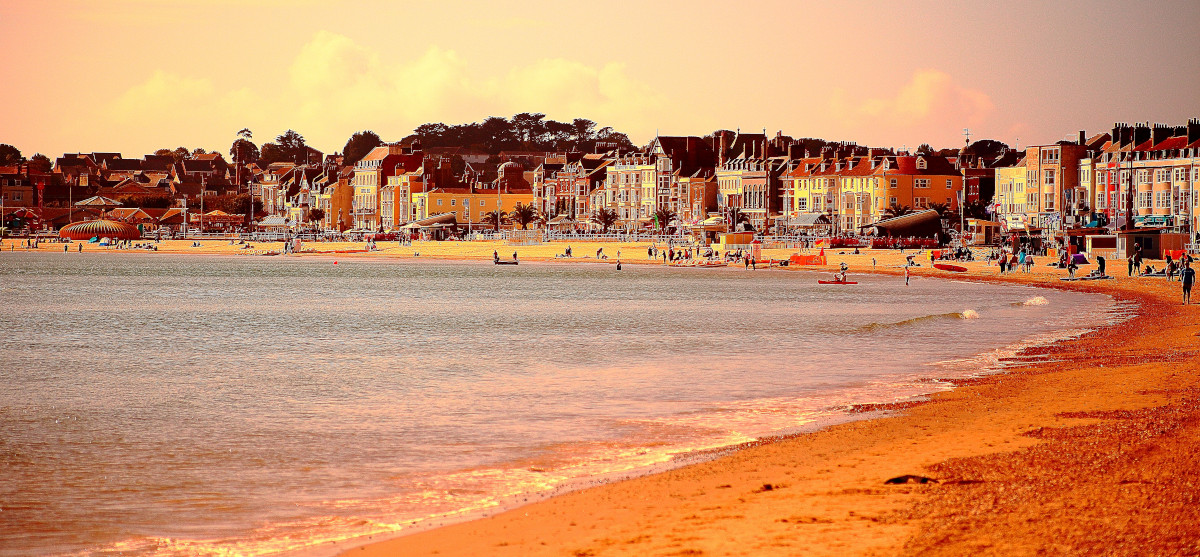

Take a Little Piece of Dorset Home
Love exploring Weymouth and Dorset? Take home beautiful coastal photography, digital artwork and local prints from my Folksy store.
Prices start from just £8.50 and include Weymouth Harbour, Weymouth Beach, Portland, Dorset landscapes and many more local scenes.
Shop All Dorset Prints →


Weymouth Beach - Dorset's Golden Sandy Seaside
Weymouth Beach is one of Dorset's most iconic seaside destinations, famous for its golden sandy shores, gently shelving waters, and vibrant promenade. Perfect for families, couples, and solo visitors alike, the beach offers a mix of classic seaside fun, scenic coastal walks, and stunning views of the Jurassic Coast. From relaxing on the soft sand and building sandcastles to enjoying the seasonal festivals, local cafes, and watersports, the sands at Weymouth provide something for everyone throughout the year. Explore the historic town nearby, take a stroll along the Esplanade, or discover quieter corners like Greenhill Beach and Castle Cove for a more peaceful retreat. Whether you're planning a day trip or a full seaside holiday, Weymouth Beach is a must for any visitor.
Seaside Attractions Along Weymouth Beach
Weymouth Beach is famous for its wide, gently shelving sands, making it ideal for traditional seaside fun. During the warmer months, visitors can enjoy deckchair hire, beach games like volleyball, and swimming in the shallow waters. The long Esplanade that runs behind the beach is lined with cafes, ice-cream parlours, fish and chip shops, arcades, and souvenir stores, creating a lively atmosphere from morning through to evening.
The beach is also a popular spot for watersports, with opportunities for kayaking, paddleboarding, and sailing, especially near the calmer areas of the bay. Nearby attractions such as the Pavilion Theatre and amusement arcades add to the appeal, ensuring there is plenty to do even when you step off the sand.
Family-Friendly Activities
The main sandy beach is particularly well known for being family friendly. Seasonal lifeguard patrols provide offer added reassurance. Traditional activities such as sandcastle building, donkey rides, and beach games remain popular, continuing Weymouth's long-standing seaside traditions.
Seasonal Events on Weymouth Beach
Throughout the year, Weymouth's main beach hosts a variety of events that draw visitors from across Dorset and beyond. In the summer months, the beach and Esplanade become the backdrop for outdoor entertainment, including live music performances, themed beach events, and family activity days.
One of the highlights of the summer calendar is the Weymouth Beach Fireworks, which take place weekly during peak season. These displays are launched from the bay and light up the whole area around Weymouth Bay, creating a memorable seaside spectacle enjoyed by thousands of visitors.
Festivals and Town Celebrations
Weymouth Beach also plays a role in larger town events. During the Weymouth Carnival, the Esplanade becomes part of the carnival route, bringing colourful floats, performers, and a festive atmosphere to the seafront. Seasonal celebrations such as Easter events, summer holiday activities, and festive winter attractions often include beach-side elements or seafront entertainment.
Weymouth Beach in Autumn and Winter
While summer is the busiest season, the town's seafront remains attractive all year round. In autumn and winter, the beach offers a quieter, more relaxed experience, ideal for coastal walks, and enjoying views across Weymouth Bay towards the cliffs of the Jurassic coast.
A Beach for All Seasons
What makes Weymouth Beach special is its ability to combine classic seaside attractions with a full calendar of events. Whether you are visiting for family fun, live entertainment, sporting events, or simply to enjoy the coastal scenery, the seafront sands offer far more than just a day by the sea - it provides a year-round destination shaped by tradition, community, and celebration.
Parking for Weymouth's Central Beach
Weymouth Beach is easily accessible from most areas of Weymouth. From town, it's just a 5 minute walk. If you're on the Nothe side of the harbour (opposite to the beach), it's only a 15 minute walk or you may prefer to take the Weymouth Harbour ferry ride - a ride aboard the row-boat ferry from one side to the other. There a number of paid carparks close to Weymouth Seafront whilst there is some on-road pay and display parking along the seafront too.Weymouth Seafront Accomodation
Along Weymouth's Georgian Esplanade, you will find plenty of hotels and bed and breakfasts that offer views across Weymouth Seafront and out towards Weymouth Bay, some also offer views across the harbour from the back rooms. There are plenty of holiday cottages around Weymouth from apartments overlooking the seafront to cosy holiday cottages overlooking the harbour. There are caravan parks and campsites too.A Walk Along Weymouth's Seafront - From the Harbour to Bowleaze Cove
Weymouth's main beach stretches the full length of the seafront, running from the historic harbour all the way along the curve of the bay to Bowleaze Cove. Standing on Weymouth Pier, you're perfectly placed between two classic views: the colourful boats and cottages of Weymouth Harbour on one side, and the golden sands meeting shallow, calm waters on the other - an ideal spot for paddling and relaxing by the sea.At the harbour end of the beach, you'll find many of Weymouth's traditional seaside attractions, including children's rides and the famous beach donkeys. This area is also home to one of the dog-friendly sections of the shoreline (check the signs for times and restrictions). As you stroll along the sand towards the site of the old Pier Bandstand, you'll pass beach huts dotted about selling food, drinks, and beach essentials. Older visitors may remember the distinctive red, white, and blue striped huts often featured on vintage postcards - today, these huts are painted blue but remain a familiar part of the seafront.
Continuing the Walk - Greenhill Beach, Preston Beach and On to Bowleaze Cove
Continuing along the shore, the soft sand gradually gives way to shingle and pebbles. This stretch tends to be quieter, and the water deepens more quickly. Before long, you'll reach the colourful Greenhill Gardens - beautifully maintained seaside gardens that provide a peaceful pause along the route. In summer, live music is often hosted here, and a cafe and plenty of seating make it a perfect viewpoint.From Greenhill, the views are among the best in Weymouth. On a clear day, you can look back across the bay towards the Nothe Fort and Portland in one direction, and across to the Osmington White Horse in the other. Continuing along the promenade, you'll pass Preston Beach, with Lodmoor Country Park just across the road, before reaching Bowleaze Cove at the far end of the bay.
Beyond Bowleaze, the beach meets the rising cliffs where the historic Osmington White Horse is carved into the chalk hills above. This marks the end of the beachfront walk, but for those wanting to explore further, footpaths lead up into the hills and onwards along the Jurassic Coast. From the clifftops, you're rewarded with sweeping panoramic views across Weymouth Bay, the beach below, and out towards Portland - some of the finest coastal scenery in Dorset.
For those who prefer firmer footing, the Esplanade runs alongside the beach from Weymouth Pier to Preston. From here, the road climbs along the cliffs towards Bowleaze Cove, offering yet another elevated viewpoint with stunning views across the bay and open sea.
Best Short Walks In Weymouth
Looking for scenic walks in Weymouth? These two easy coastal walks offer some of the best views in the area and are perfect for visitors wanting to explore beyond Weymouth Beach.
- Newton's Cove & Nothe Gardens Walk - A short coastal walk featuring rock pools, harbour views, Nothe Fort and beautiful gardens.
- The Rodwell Trail Walk - A peaceful former railway trail with views of Portland Harbour, Sandsfoot Castle, Castle Cove and Ferrybridge.
Both walks are family-friendly, easy to follow and showcase a quieter side of Weymouth away from the busy main beach.
Weymouth Beaches - A Guide to the Different Beaches and Coastal Areas
Weymouth is best known for its long sandy beach, but the town's coastline is surprisingly varied. From traditional family-friendly sands to sheltered coves, shingle beaches and rockpools. Futher out there are also many more beaches to visit, Weymouth offers a wide range of coastal experiences within a short distance.
Weymouth Central Beach (Main Sandy Beach)
Weymouth Central Beach is the town's most famous stretch of sand. Running alongside the Esplanade, it is wide, gently shelving, and ideal for families. Shallow waters make it popular for swimming and paddling, while deckchairs, pedalos, cafes, and amusements line the promenade behind. Beach huts provide refreshments directly on the beach. This part of the beach is where many of the attractions can be found too.
Greenhill Beach
Further along the Esplanade, the sand gradually gives way to shingle at Greenhill Beach. Quieter than the central beach, it's popular with locals seeking a calmer atmosphere. The lovely Greenhill Gardens overlook the beach and provide sea views and cafes whilst in the summer months bands play.
Overcombe and Bowleaze Cove
Overcombe and Bowleaze Cove mark the far edge of Weymouth Bay. The beach here is a mix of sand and shingle, backed by open green spaces and holiday parks. This area often feels more spacious and is popular for dog walking, water sports, and coastal walks towards Osmington Mills and the Jurassic Coast.
Stone Pier and Nothe Fort Area
Near the entrance to Weymouth Harbour, the beach by the Stone Pier offers views out towards Portland. This is a small pebble beach, the sea here gets deep quickly and can be rough as the waves crash into the Stone pier which forms the breakwater to the harbour. Overlooking this area is the Nothe Fort, a 19th-century coastal defence site, adding strong historical interest. Coastal paths around the Nothe Gardens provide excellent panoramic views.
Rodwell and Sandsfoot Foreshore
South of the harbour, near the Rodwell Trail, the coastline becomes more rugged. This stretch is mostly shingle with rocky areas and has a quieter, more natural feel. Overlooked by Sandsfoot Castle, it is popular with walkers.
Castle Cove
Castle Cove is a small, sheltered shingle beach located between Sandsfoot Castle and Portland Harbour.
Ferrybridge Beach
Ferrybridge Beach lies on the narrow strip of land linking Weymouth to the Isle of Portland, where Portland Harbour meets Chesil Beach. This steep shingle beach is shaped by strong tides and currents.
Newton's Cove
Newton's Cove is a quieter, lesser-known beach with a mix of shingle, and rocky outcrops. It's popular for coastal walks and pooling at low tide, offering a more natural coastal experience close to the town.
One Town, Many Beaches
What makes Weymouth unique is the variety of its beaches within such a compact area. Whether you are looking for classic seaside fun, calm swimming waters, quiet coves, or dramatic coastal landscapes, Weymouth's beaches offer something for every visitor.
A History of Weymouth's Main Beach Through the Centuries
Weymouth beach has played a far greater role in English history than its calm appearance today might suggest. Long before it became a place of leisure, this stretch of sand was shaped by warfare, trade, royal fashion, and national events that left a lasting mark on the town.
Medieval Weymouth - A Working Shoreline
In medieval England, Weymouth Beach was not a place for recreation but an active working shoreline. Small vessels were beached here for loading and unloading, fishermen worked from the sands, and goods were moved between ship and town. The beach along with Weymouth Harbour would have been a busy port and fish would have been traded directly from the beach. Explore Weymouth's Medieval period more here.
The Tudor Period and the Spanish Armada
By the late 16th century, Weymouth had become strategically important to England's naval defence. During the Spanish Armada of 1588, six ships from Weymouth were among those sent to oppose the Spanish fleet, drawing the town and its shoreline into one of the most decisive naval confrontations in English history. Along with the harbour, the beach would have been an important landing point had the Armada been successful. The San Salvador - part of the Armada was captured off the coast of Portland and towed into Weymouth where it was stripped. It was then intended to be taken to Portsmouth but sunk in Studland Bay on route.
The English Civil War (1642-1651)
Weymouth Beach was directly affected during the English Civil War. The town changed hands several times between Royalist and Parliamentarian forces due to its valuable port and coastal position. Troops, supplies, and defences moved through the town and along the shoreline, leaving Weymouth badly damaged by the end of the conflict. This period is covered in more detail on the Weymouth Civil War history page.
Georgian Weymouth and King George III
The beach's fortunes changed dramatically in the late 18th century when King George III first visited Weymouth in 1789 on medical advice. The king famously bathed in the sea using a bathing machine on the main beach and returned many times over the following years. His patronage transformed Weymouth into one of Britain's earliest fashionable seaside resorts. King Georges visits to Weymouth have left a lasting impression on the town, the White Horse in the hills above Osmington, King Georges statue and a replica bathing machine all remind us of one of Weymouth's most famous visitors.
Victorian and Edwardian Seaside Life
During the 19th and early 20th centuries, Weymouth Beach became firmly established as a classic English seaside destination. The arrival of the railway brought visitors from across the country, and the beach filled with bathing machines, donkey rides, deckchairs, and promenading holidaymakers. Explore Weymouth in the Roaring Twenties.
Shipwrecks in Weymouth Bay
The calm waters seen today hide a more dangerous past. In 1805, the East India Company ship Earl of Abergavenny sank in Weymouth Bay after striking the Shambles Bank during a storm, with the loss of over 260 lives. The disaster would have been visible from the beach and deeply affected the town. In fact, it was the captains intention to beach the ship on the beach, the loss remains one of the worst maritime disasters to occur in British waters Many other wrecks have occurred in the bay over the centuries and are documented on the shipwrecks around Weymouth page.
World War I - Recovery and Convalescence
During World War I, Weymouth became an important place of rest and recovery. Soldiers wounded during the Gallipoli campaign were brought to the town to convalesce, and the beach provided fresh air and calm surroundings believed to aid healing.
World War II - D-Day and Defence
In World War II, Weymouth Beach once again took on national importance. The town became a major embarkation point for Allied forces preparing for D-Day, and the beachfront was closed to civilians as defences were installed. German air raids targeted Weymouth because of its strategic role. This period is explored in depth on the Weymouth in World War II page.
The Pier Bandstand and Modern Change
One of the most recognisable landmarks along the beach in the 20th century was the Pier Bandstand, opened in 1939, shortly before the war as an Art Deco venue extending from the Esplanade. At first it was a huge success but the war led to the pier being closed for most of the duration. It became a focal point for concerts and seaside entertainment after the war but structural concerns led in 1985 led to its closure, a controlled explosion demolished most of the pier bandstand in 1986. Whats left houses an amusement arcade, shop and restaurant.
A Living Historical Landscape
Today, Weymouth's main beach is known for relaxation and family holidays, but beneath the sand lies a layered history of medieval trade, naval conflict, royal fashion, wartime secrecy, and maritime tragedy. The beach remains a living historical landscape shaped by centuries of change. It's incredible to stand on the sands today and think of its history from Medieval fishermen selling their catch to watching the ships leave to meet the Spanish Armada, King George bathing in the waters to injured WW1 servicemen convalescing.
Weymouth Beach Pictures
The Below Prints are available to purchase, simply follow the link and purchase through Folksy.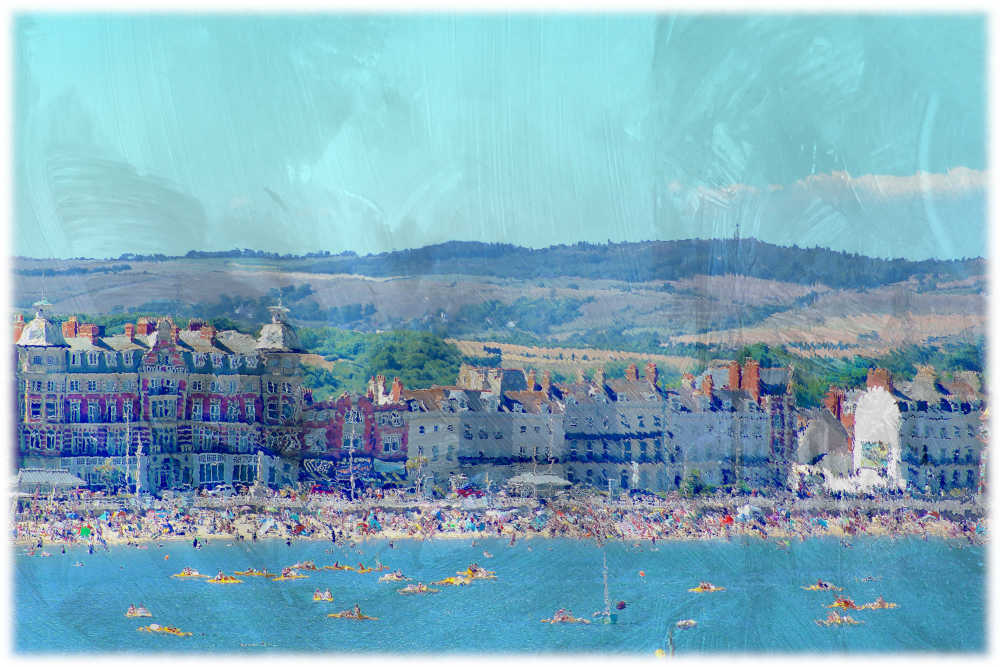
A Weymouth Beach Digitally Derived Art Print
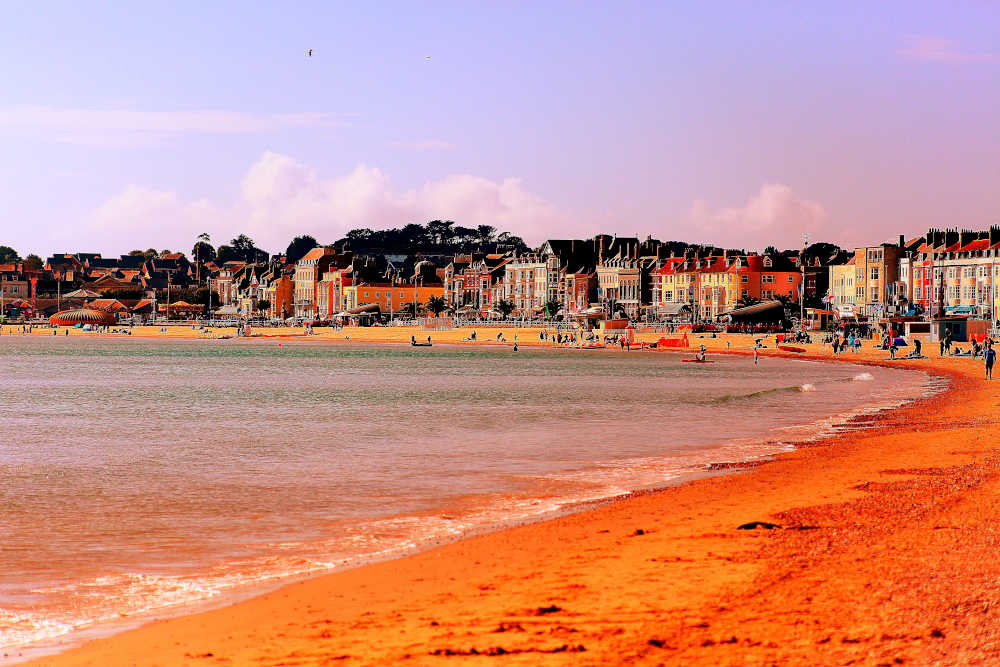
The Golden Sands of Weymouth Beach
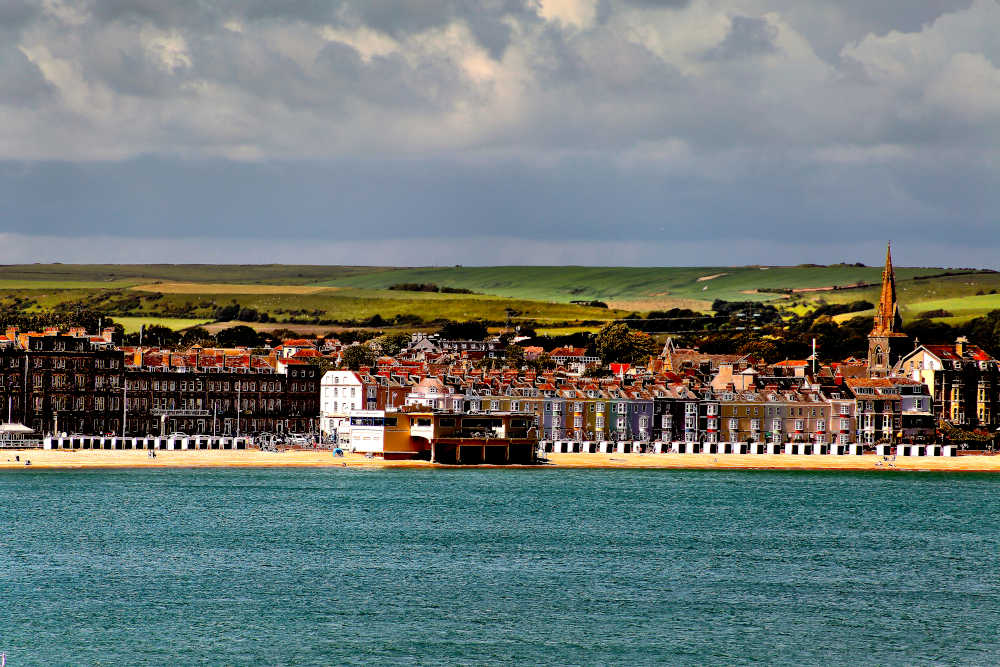
Weymouth Old Pier Print


Frequently Asked Questions About Weymouth Beaches
- Is Weymouth Beach sandy? Yes. Weymouth Central Beach is a wide, gently shelving sandy beach and is one of the best sandy beaches in Dorset. Other nearby beaches such as Greenhill Beach are mostly shingle.
- Which is the best beach in Weymouth for families? Weymouth Central Beach is the best choice for families. It has soft sand, shallow water, seasonal lifeguard cover, and easy access to toilets, cafes, amusements, and the Esplanade.
- Are there quieter beaches in Weymouth? Yes. Greenhill Beach, Castle Cove, Newton's Cove, and the Rodwell and Sandsfoot foreshore are all quieter alternatives to the main beach and are popular with locals.
- Are dogs allowed on Weymouth beaches? Dog access varies by beach and season. Dogs are restricted on Weymouth Central Beach during the summer months but there is a dog friendly section. Always check local signage for current restrictions.
- What is the calmest beach in Weymouth? Weymouth Central Beach is usually calm and shallow.
- Which Weymouth beaches are best for walking and scenery? Newton's Cove, Ferrybridge, the Nothe Fort area, and Sandsfoot offer excellent coastal walks and scenic views, with a more natural and historic feel than the main beach. The walks between them offer some fantastic views.
- Where can I park at Weymouth Beach? Weymouth beach is close to the town so there are plenty of car parks within walking distance. There is a large car park on the pier at the Pavilion and one at the Swannery. There is some on road parking along the seafront - mostly pay and display.
Explore more of Weymouth and the surrounding Dorset coast
Weymouth's beaches are among the best on the Jurassic Coast, offering sandy shores, clear waters, and plenty to see and do. Whether you're visiting for a relaxing day by the sea or exploring the coastline, there's plenty more to discover in Weymouth and across Dorset. You may also like:
- Weymouth town guide - Explore the town, its harbour, shops, and seaside attractions
- Weymouth Harbour - One of the town's most iconic and scenic locations
- 7 days in Dorset itinerary - Plan a full week exploring the best of the area
- Dorset history guide - Learn more about the region's past and heritage
- Nothe Gardens and Newton's Cove - Peaceful coastal walks and scenic views
Own a tourism or visitor-focused business?
Reach visitors planning trips to Weymouth and Dorset.
Learn How to Get Featured
The Nothe Fort is a victorian fort now a museum of life in Weymouth during world war II.

The Pirates Graveyard at Church Ope Cove on Portland is found high above Church Ope Cove.

Tyneham Ghost Village is a deserted village.

There are plenty of things to do in Weymouth when it rains and lots more things to do around Dorset too.

Did you know that the Black Death arrived in England in 1348 through the port of Weymouth.

Portland Harbour History, the Portland Breakwaters, the sinking of HMS Hood and Portland at war.