

Take a Little Piece of Dorset Home
Love exploring Weymouth and Dorset? Take home beautiful coastal photography, digital artwork and local prints from my Folksy store.
Prices start from just £8.50 and include Weymouth Harbour, Weymouth Beach, Portland, Dorset landscapes and many more local scenes.
Shop All Dorset Prints →


Rodwell Trail Walk, Weymouth - Coastal Walk Around Portland Harbour
The Rodwell Trail in Weymouth is a scenic, traffic-free walking and cycling route following the edge of Portland Harbour. Built on a former railway line, it offers an easy, flat coastal walk between Weymouth and Ferrybridge with continuous views across the harbour, Portland Breakwaters, and nearby beaches.
It is one of the most popular Weymouth walks, combining history, coastal scenery, wildlife, and access to some of the area's quieter beaches.

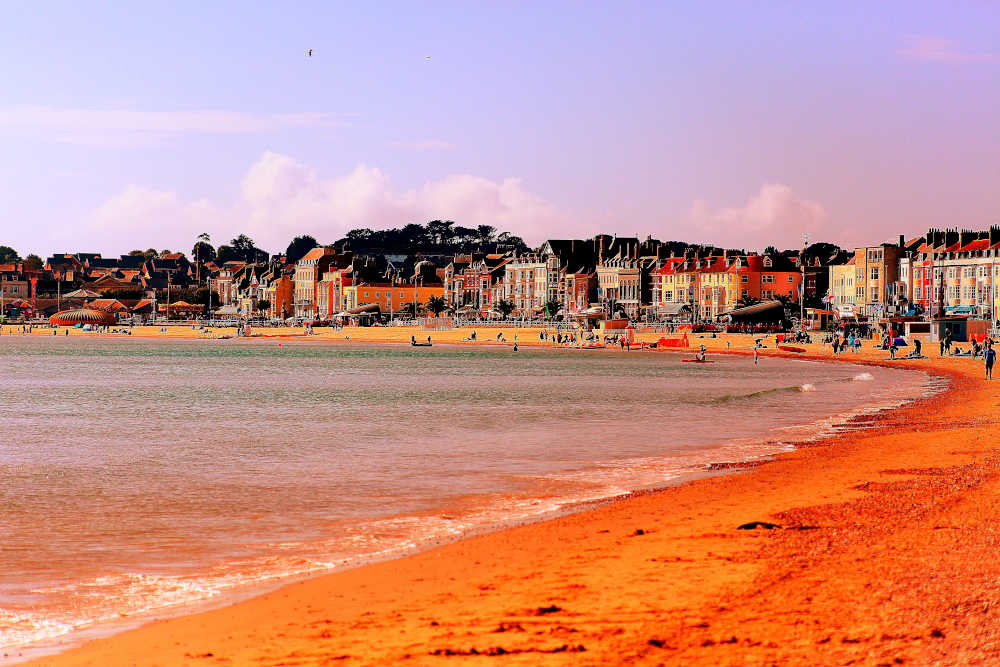
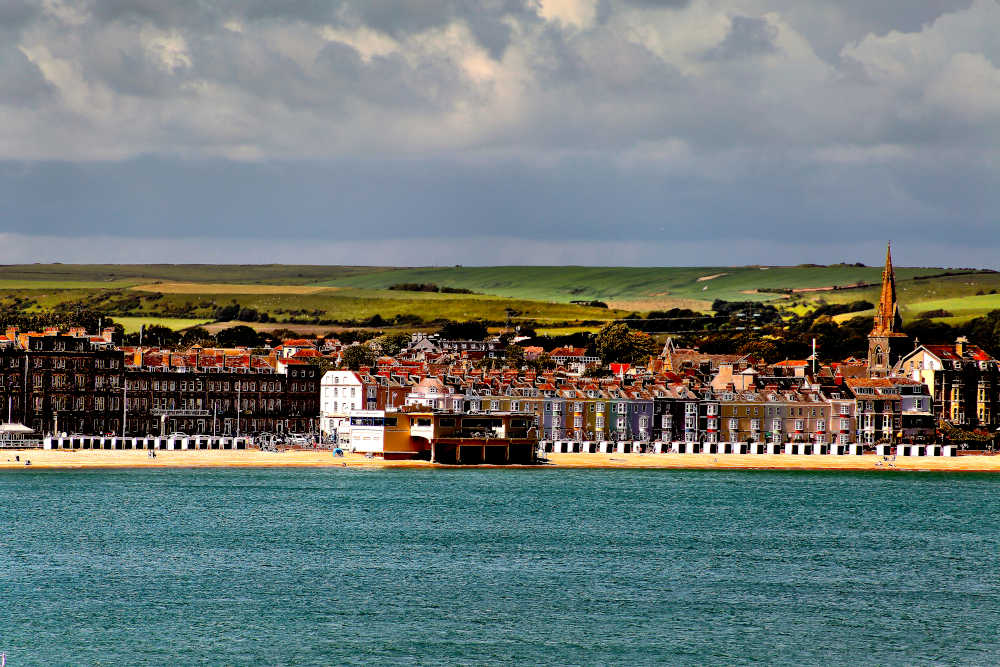
Part of the beautiful shoreline views you can enjoy while walking the Rodwell Trail.
What is the Rodwell Trail?
The Rodwell Trail is a 2.5-3 mile walking and cycling route in Weymouth that follows the route of a former railway line between Weymouth and Ferrybridge. It runs along the edge of Portland Harbour and passes key landmarks including Sandsfoot Castle, Castle Cove, and Ferrybridge.
It is a flat, easy, and family-friendly walk suitable for all abilities.
Rodwell Trail Route Overview
The Rodwell Trail can be walked in either direction:
Along the route you will pass:
- Weymouth Harbour viewpoints (Newstead Rd Bridge area)
- Sandsfoot Castle ruins
- Castle Cove Beach
- Portland Harbour shoreline
- Ferrybridge and Chesil Beach causeway
Sandsfoot Castle
One of the biggest highlights along the Rodwell Trail is Sandsfoot Castle, a ruined coastal fort built by King Henry VIII in 1539 to help defend Portland Harbour from potential invasion by France and the Holy Roman Empire.
The castle was built at the same time as nearby Portland Castle on the opposite side of the harbour. Together, the two forts were designed to protect one of England's most important natural harbours.
Originally, Sandsfoot Castle was far larger than the ruins visitors see today. It featured a central gun platform facing the harbour, defensive walls, living quarters for soldiers and storage for weapons and supplies. Cannons positioned here would have protected ships taking shelter in Portland Harbour.
Despite its strong defensive design, Sandsfoot Castle saw very little military action during its lifetime. By the 17th and 18th centuries coastal defences had evolved, and the castle gradually declined in military importance.
Coastal erosion caused major damage to the site over the centuries, with large sections of the castle eventually collapsing into the sea. Today, only the original gatehouse remains standing, but it still offers a fascinating glimpse into Weymouth's Tudor military history.
Surrounding the ruins are the beautifully maintained Sandsfoot Gardens, which provide one of the best viewpoints across Portland Harbour. Visitors walking the Rodwell Trail often stop here to enjoy the gardens, harbour views, and explore one of Weymouth's most historic landmarks.

Sandsfoot Castle viewed from Castle Cove Beach with Portland Harbour and the breakwaters beyond.
Castle Cove Beach
Castle Cove Beach is a small, sheltered sandy beach located just below the Rodwell Trail.
It is popular for swimming, kayaking, paddleboarding, sailing club activity, and quiet beach visits away from the main seafront.
On sunny days, it is one of Weymouth's most peaceful coastal spots.
Portland Harbour Views
The Rodwell Trail offers continuous views across Portland Harbour, one of the largest man-made harbours in the world.
From the trail you can see Portland Breakwater, sailing vessels, cruise ships, and views towards Portland Bill.
Ferrybridge & Chesil Beach Connection
At the southern end of the trail lies Ferrybridge, where Weymouth meets the famous Chesil Beach causeway leading to Portland.
Ferrybridge includes a small sheltered beach area and is popular for watersports, wildlife watching, and views across Chesil Beach and The Fleet Lagoon.

Ferrybridge Beach on a hot summer day where the Rodwell Trail meets Chesil Beach and Portland.
Why the Rodwell Trail is One of the Best Weymouth Walks
- Flat, easy walking route
- Continuous coastal and harbour views
- Historic landmark: Sandsfoot Castle
- Quiet beaches: Castle Cove & Ferrybridge
- Wildlife and birdwatching opportunities
- Excellent photography locations
Best Time to Walk the Rodwell Trail
The Rodwell Trail can be enjoyed year-round, but the best conditions are:
- Spring: wildflowers and fresh greenery
- Summer: clear harbour views and beach access
- Autumn: soft light and quieter paths
- Winter: dramatic coastal atmosphere
Early morning and late afternoon offer the best lighting for photography.
The History Of The Rodwell Trail Railway
Before it became one of Weymouth's most scenic walking routes, the Rodwell Trail was once part of the old railway line that connected Weymouth to Portland.
The railway opened during the 19th century when Portland Harbour was expanding into one of Britain's most important naval bases. The line carried passengers, local workers, Portland stone and military supplies between Weymouth, Portland and the naval dockyards.
During both World Wars, the railway became increasingly important as Portland Harbour played a major military role. Troops, supplies and materials regularly moved through the area while the harbour remained one of the country's most strategically important naval locations.
Following changes in transport and the decline of rail travel to Portland, the line eventually closed in the 1960s. Rather than disappearing entirely, much of the former railway route was preserved and transformed into the peaceful walking and cycling trail visitors enjoy today.
As you walk the Rodwell Trail, you are quite literally following the path once used by steam trains carrying passengers and goods along the edge of Portland Harbour. In some sections, the elevated railway route still provides fantastic panoramic views that railway passengers would have enjoyed over a century ago.
Frequently Asked Questions
How long is the Rodwell Trail walk?
The Rodwell Trail is approximately 2.5 to 3 miles long and takes around 1 to 1.5 hours to walk one way.
Is the Rodwell Trail suitable for families?
Yes, the trail is flat, traffic-free, and suitable for families, pushchairs, and casual walkers.
Where does the Rodwell Trail start and finish?
It runs between Weymouth Harbour / Westham area and Ferrybridge near Chesil Beach.
What can you see on the Rodwell Trail?
Sandsfoot Castle, Castle Cove Beach, Portland Harbour, and views towards Chesil Beach and Portland Breakwater.
Can you cycle the Rodwell Trail?
Yes, it is a shared walking and cycling route.
Another Scenic Weymouth Walk
If you enjoy the Rodwell Trail, another excellent short coastal walk in Weymouth is the Newton's Cove & Nothe Gardens Walk.
This route offers a completely different side of Weymouth, with peaceful rock pools, dramatic views over Weymouth Harbour, the historic Nothe Fort and some of the best viewpoints in town.
It pairs perfectly with the Rodwell Trail if you're looking to explore more of Weymouth's coastline on foot.
Updated: 2026
Own a tourism or visitor-focused business?
Reach visitors planning trips to Weymouth and Dorset.
Learn How to Get FeaturedLatest Articles
Discover our newest guides exploring Dorset's history, hidden gems and fascinating places.

The Nothe Fort is a victorian fort now a museum of life in Weymouth during world war II.

The Pirates Graveyard at Church Ope Cove on Portland is found high above Church Ope Cove.

Tyneham Ghost Village is a deserted village.

There are plenty of things to do in Weymouth when it rains and lots more things to do around Dorset too.

Did you know that the Black Death arrived in England in 1348 through the port of Weymouth.

Portland Harbour History, the Portland Breakwaters, the sinking of HMS Hood and Portland at war.