
Take a Little Piece of Dorset Home
Love exploring Weymouth and Dorset? Take home beautiful coastal photography, digital artwork and local prints from my Folksy store.
Prices start from just £8.50 and include Weymouth Harbour, Weymouth Beach, Portland, Dorset landscapes and many more local scenes.
Shop All Dorset Prints →



Portland Bill Guide: Lighthouse, Coastal Walks & Things to Do
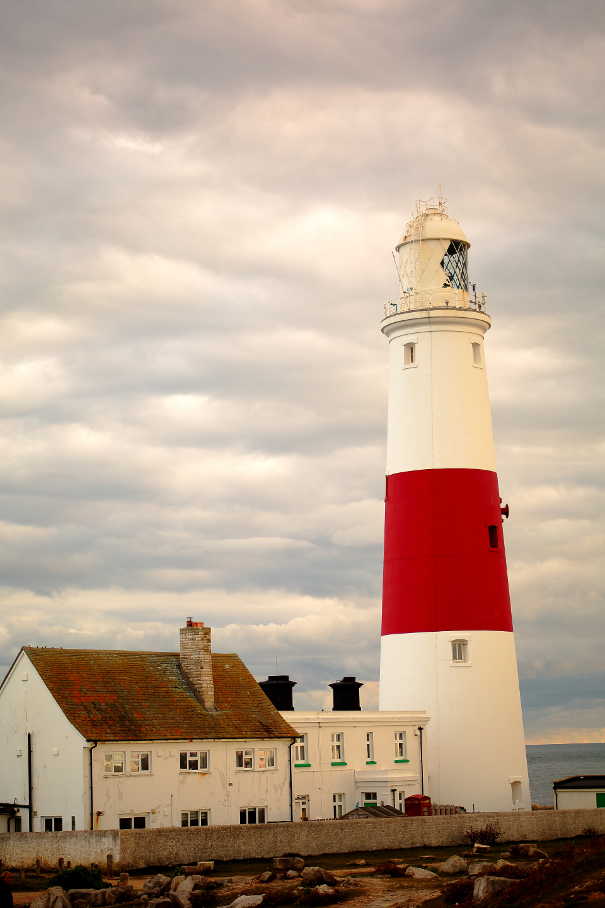
Portland Bill is one of Dorset's most iconic landmarks and the most visited attraction on the Isle of Portland. Famous for its striking red and white lighthouse, dramatic cliffs and powerful seas, Portland Bill marks the southernmost tip of the island and forms part of the spectacular Jurassic Coast World Heritage Site.
Portland Bill at a Glance
- Location: Southern tip of the Isle of Portland, Dorset
- Famous For: Portland Bill Lighthouse and rugged coastline
- Best For: Walking, photography, birdwatching and history
- Nearest Town: Weymouth (approximately 20 minutes away)
- Entry: Free to visit the area (parking charges apply & entry fee to visit Lighthouse)
What is Portland Bill and Why Do People Visit?
Portland Bill is a narrow headland located at the southern tip of the Isle of Portland in Dorset. The area is renowned for its rugged beauty, fascinating maritime history and incredible coastal views.
Visitors come to Portland Bill to:
- See the famous Portland Bill Lighthouse
- Experience the dramatic Jurassic Coast scenery
- Watch powerful tidal races and rough seas
- Explore historic landmarks including Pulpit Rock
- Enjoy coastal walks and birdwatching opportunities
- Visit nearby attractions such as Church Ope Cove
- Relax in local cafes and traditional pubs
Portland Bill Lighthouse
Standing proudly above the cliffs, Portland Bill Lighthouse is one of Britain's most recognisable lighthouses. Its distinctive red and white stripes have become a symbol of Dorset's coastline.
History of Portland Bill Lighthouse
The waters around Portland Bill have long been feared by sailors due to hidden reefs and the dangerous Portland Race, where strong tides create turbulent seas.
Two lighthouses were first constructed in 1716 to guide vessels safely past the headland. The current lighthouse was completed in 1906 and remains operational today.
Can You Climb Portland Bill Lighthouse?
Yes. Visitors can climb the lighthouse during guided tours, ascending more than 150 steps to reach the lantern room. The panoramic views across the Jurassic Coast and English Channel make the climb worthwhile.
For much of its history, Portland Bill Lighthouse was staffed by resident lighthouse keepers who maintained the light, operated the fog signal and ensured the safety of vessels navigating the hazardous waters around Portland Bill.
The lighthouse remained manned until 18 March 1996, when it was automated by Trinity House and control was transferred to their Operations Centre in Harwich, Essex. This marked the end of nearly 90 years of lighthouse keepers living and working at Portland Bill. Today, the lighthouse continues to guide ships through the English Channel using modern remote monitoring systems.
The Coastline and Rough Seas
Portland Bill sits at the meeting point of powerful tidal currents. The infamous Portland Race forms offshore, creating unpredictable conditions and rough seas that have contributed to numerous shipwrecks throughout history.
The dramatic coastal scenery and crashing waves are part of what makes Portland Bill such a fascinating place to visit.
Shipwrecks Around Portland Bill
The waters surrounding Portland Bill have long been feared by sailors. Strong tidal currents, hidden reefs, the notorious Portland Race and unpredictable weather conditions have contributed to hundreds of shipwrecks over the centuries.
Even after the construction of the first lighthouses in 1716, vessels continued to be lost on the jagged coastline and nearby Chesil Beach. Improvements in navigation technology and the presence of the modern lighthouse have significantly reduced accidents, but Portland Bill remains one of Britain's most respected stretches of coastline among mariners.
If you're interested in learning more about the area's maritime disasters, explore our guide to famous shipwrecks around Weymouth and Portland, including tragic losses such as the Earl of Abergavenny, the collision between Avalanche and Forest, and the wreck of HMS Royal Adelaide.
Imagine Life as a Lighthouse Keeper
Picture yourself arriving at Portland Bill Lighthouse for your very first night as a lighthouse keeper in the early 1900s. Outside, a fierce south-westerly gale lashes the headland, rain drives sideways across the windows and waves crash violently against the rocks below. Somewhere beyond the darkness, hidden by sheets of spray and mist, ships battle to stay clear of the treacherous Portland Race.
Inside the lighthouse, there is little comfort beyond the warmth of the lamp room and the steady rhythm of duty. The light must never fail. Throughout the night, keepers would climb the tower's spiral staircase to monitor the powerful lamp and its rotating mechanism, listening to the haunting sound of the fog signal echoing across the sea whenever visibility disappeared.
For lighthouse keepers and their families, isolation was simply part of life. Storms could cut off the headland from the outside world, while the responsibility of safeguarding countless lives rested heavily on their shoulders. Every flash of the light represented hope and guidance for sailors navigating one of the most dangerous stretches of Britain's coastline.
Standing at Portland Bill today, watching the waves pound the rocks beneath the lighthouse, it isn't difficult to imagine the courage and dedication required of those who kept the light burning through long winter nights more than a century ago.
The Older Portland Bill Lighthouses
Before the current lighthouse was built, two earlier lighthouses known as the Higher and Lower Lighthouses operated nearby.
The Higher Lighthouse now serves as the Portland Bird Observatory, while the Lower Lighthouse has been converted into a private residence. These historic buildings offer a glimpse into Portland's maritime past.
Pulpit Rock and Its History
Pulpit Rock is one of Portland Bill's most photographed landmarks. This striking limestone stack was created in the 1870s by quarry workers extracting Portland Stone.
The rock was shaped to resemble an open Bible resting on a pulpit, giving it its distinctive name.
Many visitors assume that Pulpit Rock is a natural geological formation, but it was actually created by quarrymen during Portland's stone quarrying era. Its carefully crafted appearance has led generations of visitors to believe it was formed entirely by nature.
Walking Around Portland Bill
- Portland Bill to Church Ope Cove
- South West Coast Path routes
- Walks to Rufus Castle
- Exploring former quarry landscapes
Portland Bill to Church Ope Cove Walk
The walk from Portland Bill to Church Ope Cove is approximately 3 miles (5 km) each way. Along the route you'll enjoy dramatic coastal scenery and pass historic landmarks including Rufus Castle and the Pirates' Graveyard.
Allow: 1.5-2 hours each way.
The East Weares Landslide
The East Weares area near Portland Bill is known for its impressive landslide landscape. Over centuries, sections of cliff have slipped towards the sea, creating a unique environment that supports rare plants and wildlife.
Pictures Around Portland Bill
Beyond the famous lighthouse, Portland Bill is full of fascinating sights, from its rugged coastline and historic landmarks to wildlife habitats and colourful beach huts that have become part of the area's character.

Housed within the former Higher Lighthouse, Portland Bird Observatory has been monitoring migrating birds since 1961 and is one of Britain's most respected birdwatching locations.

Several historic cranes can still be found across the Isle of Portland, offering a reminder of the island's long association with quarrying and the export of famous Portland Stone.

Portland Bill's dramatic limestone cliffs and jagged coastline have been shaped by centuries of powerful tides and storms, creating one of Dorset's most striking landscapes.

Alongside the iconic lighthouse, the colourful beach huts scattered across this beautiful part of the island have become another much-loved feature of Portland Bill.

Portland Bill is a haven for flora and fauna. During spring and summer, wildflowers bloom across the clifftops, adding colour to the rugged coastal scenery.
Birdwatching at Portland Bill
Portland Bill is widely regarded as one of Britain's premier birdwatching destinations. Situated on important migration routes along the Jurassic Coast, the headland attracts an impressive variety of species throughout the year, making it a must-visit location for birdwatchers and nature enthusiasts alike.
Adding to Portland Bill's appeal is the Portland Bird Observatory and Field Centre, which is based within the historic Old Lower Lighthouse. Established in 1961, the observatory has played a vital role in monitoring and recording migrating birds on the Isle of Portland and has become one of the country's most respected bird observatories.
Stay in a Historic Lighthouse
The observatory is much more than a centre for bird recording. It provides accommodation within the former lighthouse itself, offering visitors the unique opportunity to experience staying overnight in a historic lighthouse overlooking the dramatic Portland coastline.
Accommodation is popular with birdwatchers, naturalists, walkers, artists and anyone looking for an unforgettable place to stay during their visit to Portland Bill. The observatory offers hostel-style accommodation within the lighthouse and adjoining annexe, as well as a self-contained lighthouse keeper's cottage for those seeking additional privacy.
Imagine spending the night in this historic lighthouse, just as the lighthouse keepers of old would have done. As evening descends over Portland Bill and the waves crash against the rocks below, it becomes easy to picture the dedication and resilience of those who once lived and worked here, guiding ships safely through one of Britain's most challenging stretches of coastline. Few experiences offer a better opportunity to step back into history and truly immerse yourself in Portland's remarkable maritime heritage.
For anyone with an interest in birds or wildlife, a visit to the Portland Bird Observatory is highly recommended and provides a fascinating insight into the important work being carried out to study and conserve migratory species passing through Portland each year.
Further information about accommodation & costs, events and the observatory's work can be found on the Portland Bird Observatory website.
Best Times for Birdwatching
- Spring (March to May): Watch for migrating warblers, swallows, wheatears and other returning summer visitors.
- Autumn (September to October): Considered by many to be the best time for birdwatching, with large numbers of migrating birds and occasional rare visitors recorded by the observatory.
- Winter: Seabirds, divers and grebes can often be spotted offshore around Portland Bill.
Even if you're not an experienced birdwatcher, spending time at Portland Bill during migration season offers a wonderful opportunity to appreciate the island's rich wildlife and spectacular coastal setting.
Cafes, Pubs and Restaurants
Visitors will find a range of dining options around Portland Bill and nearby Easton.
- Traditional fish and chips
- Fresh seafood restaurants
- Seafront cafes serving cream teas and cakes
- Traditional Dorset pubs
Places to Stay Near Portland Bill
Holiday Parks
Several family-friendly holiday parks operate across Portland with a variety of facilities.
Camping and Glamping
Camping provides an excellent base for exploring the island's coastline.
Holiday Cottages
Self-catering cottages are available throughout Portland and nearby Weymouth.
Guesthouses and B&Bs
Traditional guesthouses offer a welcoming place to stay while visiting Portland Bill.
How to Get to Portland Bill
By Car
Portland Bill is approximately 20 minutes from Weymouth via the A354.
By Public Transport
Regular bus services connect Weymouth with Portland.
On Foot or Bicycle
The South West Coast Path provides excellent access for walkers and cyclists.
Facilities at Portland Bill
Visitor Facilities
- Parking: Pay and display car parks are available close to Portland Bill Lighthouse, making it easy to explore the area on foot.
- Public Toilets: Public toilet facilities are available near the main visitor area.
- Cafes and Refreshments: Several cafes and kiosks nearby offer drinks, snacks, ice creams and light meals, many with views overlooking the coastline.
- Lighthouse Visitor Centre: During opening periods, visitors can enjoy guided lighthouse tours and learn more about Portland Bill's maritime history.
- Walking Routes: Direct access to the South West Coast Path allows visitors to enjoy spectacular coastal walks around Portland Bill and beyond.
- Dog Friendly: Portland Bill is a popular destination for dog walkers. Dogs should be kept under control, particularly near cliff edges and wildlife habitats.
- Accessibility: Much of the main visitor area is accessible, although some coastal paths and viewpoints may involve uneven ground and steep sections.
- Photography Opportunities: Numerous viewpoints around Portland Bill provide excellent opportunities for landscape photography, especially at sunrise and sunset.
Portland Bill can be extremely exposed to the elements, even during summer months. Bringing a waterproof jacket and suitable footwear is recommended, particularly if you plan to explore the coastal paths.
What's Nearby?
- Church Ope Cove
- Rufus Castle
- Portland Museum
- Chesil Beach
- Tout Quarry Sculpture Park
- Portland Castle
- Portland Marina
Share Your Portland Memories
Do you have fond memories of growing up on Portland or holidaying at Portland Bill? Perhaps you remember climbing the lighthouse, enjoying family days out on the island, staying in one of Portland's holiday camps or watching storms roll in across the coastline.
We'd love to hear your stories and may even feature some of your memories in future articles celebrating Portland's history and heritage.
Please get in touch at [email protected] to share your experiences.
If we would like to feature your memories on the website, we will always contact you first to obtain your permission.
Frequently Asked Questions
What is Portland Bill famous for?
Portland Bill is famous for its red and white lighthouse, dramatic Jurassic Coast scenery and the dangerous Portland Race tidal waters.
Can you climb Portland Bill Lighthouse?
Yes, guided tours allow visitors to climb the lighthouse and enjoy panoramic coastal views.
Is Portland Bill worth visiting?
Absolutely. Portland Bill combines stunning scenery, fascinating history, wildlife and excellent walking opportunities.
How long should you spend at Portland Bill?
Most visitors spend between two and four hours exploring the lighthouse area and surrounding attractions.
Is Portland Bill free to visit?
The headland itself is free to access, although parking charges and lighthouse fees apply.
Enjoyed reading about Portland Bill, explore more of Portland including Church Ope Cove & The Breakwaters
- Explore the Isle of Portland
One of the most important parts of Portland's history lies just offshore. Discover how the vast Portland Breakwaters were built using convict labour, learn about the harbour forts, HMS Hood, shipwrecks and how Portland Harbour became one of the largest man-made harbours in the world.
- Visit Church Ope Cove - one of the Isle of Portland's other hidden gems. Tucked beneath Rufus Castle, this secluded cove offers a peaceful stone beach, dramatic cliffs, historic ruins, and some of the most atmospheric coastal views on the island.
Own a tourism or visitor-focused business?
Reach visitors planning trips to Weymouth and Dorset.
Learn How to Get FeaturedLatest Articles
Discover our newest guides exploring Dorset's history, hidden gems and fascinating places.

The Nothe Fort is a victorian fort now a museum of life in Weymouth during world war II.

The Pirates Graveyard at Church Ope Cove on Portland is found high above Church Ope Cove.

Tyneham Ghost Village is a deserted village.

There are plenty of things to do in Weymouth when it rains and lots more things to do around Dorset too.

Did you know that the Black Death arrived in England in 1348 through the port of Weymouth.

Portland Harbour History, the Portland Breakwaters, the sinking of HMS Hood and Portland at war.