

Take a Little Piece of Dorset Home
Love exploring Weymouth and Dorset? Take home beautiful coastal photography, digital artwork and local prints from my Folksy store.
Prices start from just £8.50 and include Weymouth Harbour, Weymouth Beach, Portland, Dorset landscapes and many more local scenes.
Shop All Dorset Prints →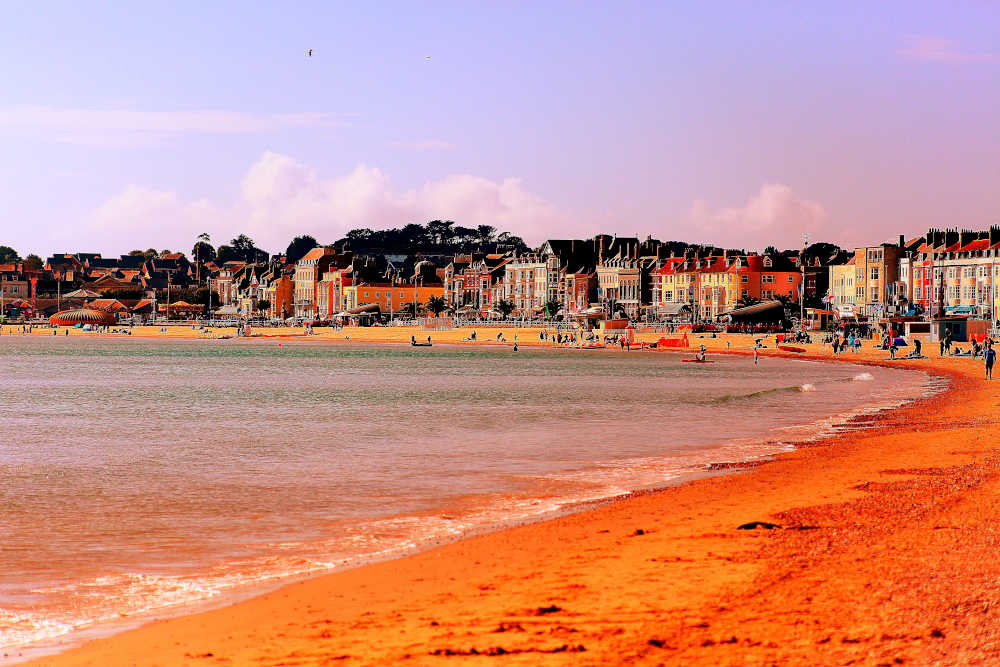


Growing Up in Dorset Through the Years
Childhood in Dorset has changed dramatically over the generations. Today's children grow up in a world shaped by smartphones, computers, social media and instant access to information. Cars dominate daily life, education continues into late adolescence and entertainment is available at the touch of a button.
Yet for much of Dorset's history, childhood looked remarkably different.
Until relatively recently, life in Dorset changed slowly. For centuries, children growing up in fishing villages, rural communities and market towns experienced lives that would have been familiar to generations before them. Before widespread car ownership, before television and before the digital age, daily life revolved around family, work, school and local communities.
Whether growing up in Weymouth, a small Dorset fishing village or one of the county's many rural communities, children often walked everywhere they needed to go. Communities were tightly knit, neighbours knew one another well and families frequently remained in the same area for generations.
Explore Growing Up in Dorset
Discover how childhood in Dorset has changed through the generations, from Victorian fishing villages to post-war communities and beyond.
- Growing Up in a Dorset Fishing Village: A Victorian Childhood
- Memories of Weymouth Holidays from long ago
More articles exploring childhood in Dorset including growing up in 1950s Weymouth and beyond will be added soon.
A Childhood Shaped by Community
For much of Dorset's past, childhood involved a greater sense of independence and responsibility from an early age. Children were expected to contribute to family life, helping with household chores, caring for younger siblings or assisting with family trades and businesses.
In fishing communities, children helped mend nets, collect bait and support the daily activities that kept households running. In farming areas, many assisted with seasonal work and caring for animals. Although the details varied, the expectation that children played an active role within family life remained remarkably consistent for generations.
Life was not always easy. Many families lived with financial uncertainty, and there was no welfare system or National Health Service to provide support during difficult times. Strong family bonds and close community ties often provided the safety net people relied upon.
The Pace of Change
The late 19th and 20th centuries brought significant changes to childhood in Dorset.
Compulsory education gradually expanded opportunities for children, while advances in healthcare improved life expectancy and reduced childhood mortality. The arrival of electricity, indoor plumbing and modern housing transformed daily life for many families.
The widespread use of motor vehicles altered how communities functioned. Journeys that once took hours on foot, by bicycle or horse and cart became quicker and more convenient. As roads improved and car ownership increased, people's worlds expanded beyond their immediate neighbourhoods.
Technological developments accelerated these changes further. Radio brought news and entertainment into people's homes, followed by television in the mid-20th century. Later still, computers, mobile phones and the internet fundamentally changed how children learned, communicated and spent their free time.
Changing Dorset: Sights, Sounds and Ways of Life
For generations, many of Dorset's villages and coastal communities relied heavily on either fishing or farming. These industries shaped daily life, determined the rhythm of the seasons and influenced the experiences of children growing up there.
Although fishing and farming remain important parts of Dorset's identity today, the practices themselves have changed enormously. Modern agricultural machinery has replaced much of the manual labour that once defined rural life. Fishing fleets are generally smaller than they once were, regulations govern what can be caught and when, and today's catches are often transported far beyond the local communities they once supplied.
Imagine the Dorset of the past. Long before the constant hum of traffic and modern technology, villages would have had a very different atmosphere. The sounds of tractor engines and passing cars were replaced by horses pulling carts along country lanes, fishing boats returning to harbour under sail and the everyday conversations of close-knit communities where everyone knew one another.
The smells would have been different too. Along the coast, the fresh salty air mixed with seaweed drying on the shoreline, tar used to waterproof fishing nets and boats, and the catch being landed at the harbour. In farming communities, the scents of freshly turned earth, haymaking and livestock would have been familiar parts of everyday life.
The pace of life itself was often slower. News travelled more gradually, journeys that take minutes by car today could involve lengthy walks, and many people spent most of their lives within the communities where they were born. Yet despite the hardships and limitations, there was often a strong sense of belonging, shared experience and connection to both the landscape and the seasons.
The next time you visit a Dorset harbour, walk through a rural village or pause to take in the county's spectacular coastline, imagine how these places once looked, sounded and felt. Picture the people whose footsteps trod here before you, what did they see, hear and what feelings did they experience visiting, living and working in these spots. Behind today's picturesque scenes lies a rich history shaped by generations of ordinary people whose daily lives were closely tied to the sea and the land around them.
What Has Stayed the Same?
Despite enormous technological and social changes, some aspects of childhood remain timeless.
Friendships formed at school, adventures outdoors, family traditions and a sense of belonging within communities continue to shape children's lives today. Dorset's beaches, harbours, countryside and villages still provide opportunities for exploration and creating lasting memories.
The stories shared by previous generations also remind us that although lifestyles may have changed, many hopes and aspirations have not. Parents have always wanted the best for their children, while young people have continued to learn, play, dream and discover the world around them.
Exploring Childhood Through the Generations
This series explores what it was really like growing up in Dorset during different periods of history. Through family life, education, work, leisure and personal memories, we examine how childhood evolved and what everyday life looked like for previous generations.
From children growing up in Dorset's fishing communities during the 19th century to those experiencing post-war Britain in the 1950s and beyond, each generation has its own unique story to tell.
Whether you are interested in local history, researching your family roots or simply curious about how life has changed over time, these articles offer a glimpse into Dorset's past through the eyes of those who lived it.
Share Your Dorset Childhood Memories
Did you grow up in Dorset, or do you have parents, grandparents or relatives who spent their childhood here? Perhaps they grew up in a fishing village, rural community or seaside town, and shared stories of school days, family life, local traditions or how life in Dorset has changed over the generations.
We would love to hear your memories and family stories. Whether it's recollections of childhood in the 1800s and early 1900s passed down through your family, memories of growing up in Dorset during the 1950s and 1960s and beyond, or stories of places and communities that have changed over time, your experiences help preserve Dorset's rich heritage for future generations.
Please get in touch at [email protected] to share your stories and memories, both big and small.
If we would like to feature your memories on the website, we will always contact you first to obtain your permission.
Memories Passed Down Through Generations
Many of the stories that help us understand Dorset's past have been passed down through families. Long before school buses and family cars became commonplace, children often travelled considerable distances on foot to attend school.
One such memory passed down through local families tells of children from West Bay making the daily journey to school in Burton Bradstock. Their route took them up the steep hills surrounding the harbour and along exposed cliff-top paths overlooking the sea. Whatever the weather - whether bright spring sunshine, autumn winds or winter rain - the journey simply had to be made.
Stories such as these remind us how different childhood could be in Dorset's coastal communities. What might seem an adventurous countryside walk today was once an ordinary part of everyday life. For many children, independence and resilience developed from an early age as they navigated the practical realities of growing up in a largely rural county.
These family memories offer a valuable glimpse into Dorset's recent past and help preserve the experiences of generations whose stories might otherwise be forgotten.
Own a tourism or visitor-focused business?
Reach visitors planning trips to Weymouth and Dorset.
Learn How to Get FeaturedLatest Articles
Discover our newest guides exploring Dorset's history, hidden gems and fascinating places.

The Nothe Fort is a victorian fort now a museum of life in Weymouth during world war II.

The Pirates Graveyard at Church Ope Cove on Portland is found high above Church Ope Cove.

Tyneham Ghost Village is a deserted village.

There are plenty of things to do in Weymouth when it rains and lots more things to do around Dorset too.

Did you know that the Black Death arrived in England in 1348 through the port of Weymouth.

Portland Harbour History, the Portland Breakwaters, the sinking of HMS Hood and Portland at war.