
Take a Little Piece of Dorset Home
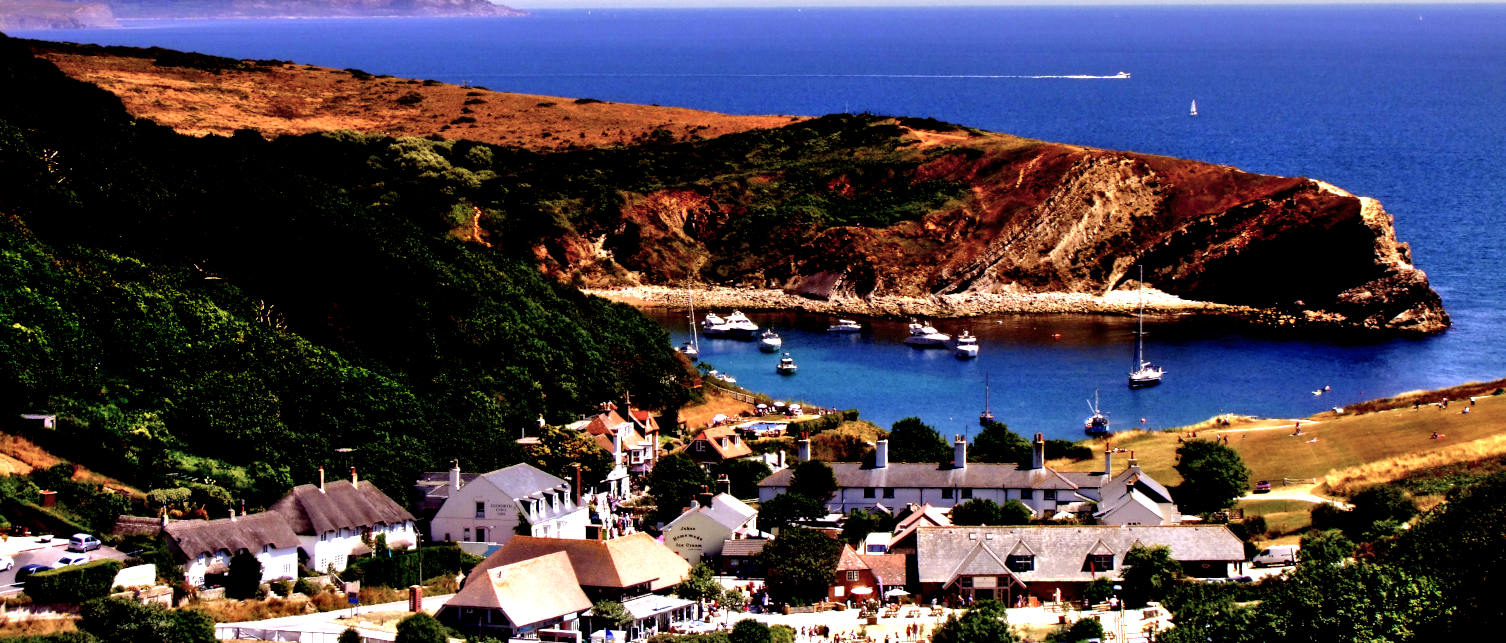
Love exploring Weymouth and Dorset? Take home beautiful coastal photography, digital artwork and local prints from my Folksy store.
Prices start from just £8.50 and include Weymouth Harbour, Weymouth Beach, Portland, Dorset landscapes and many more local scenes.
Shop All Dorset Prints →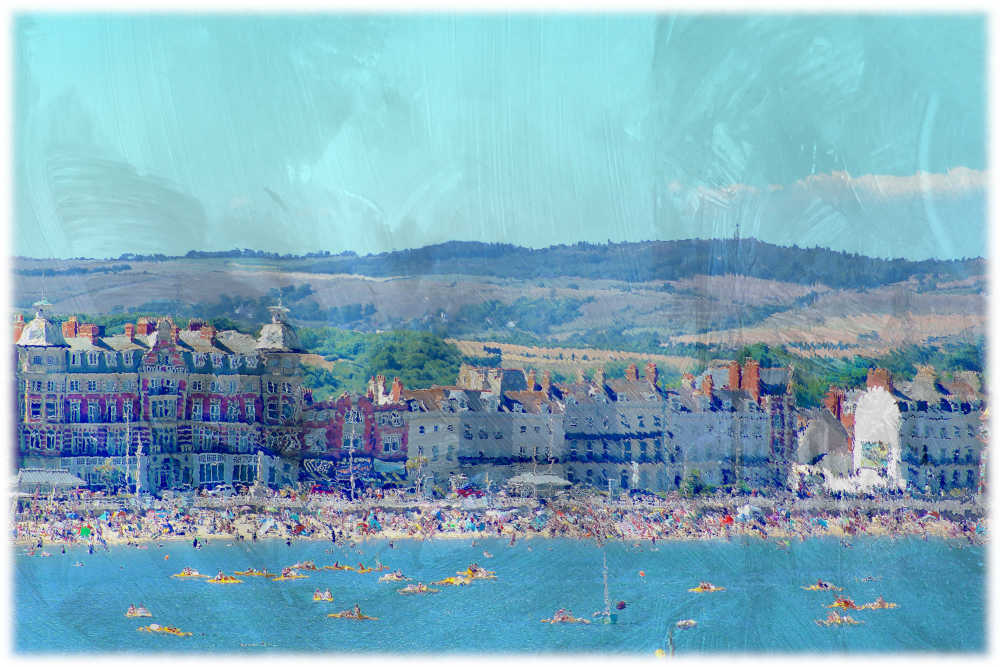


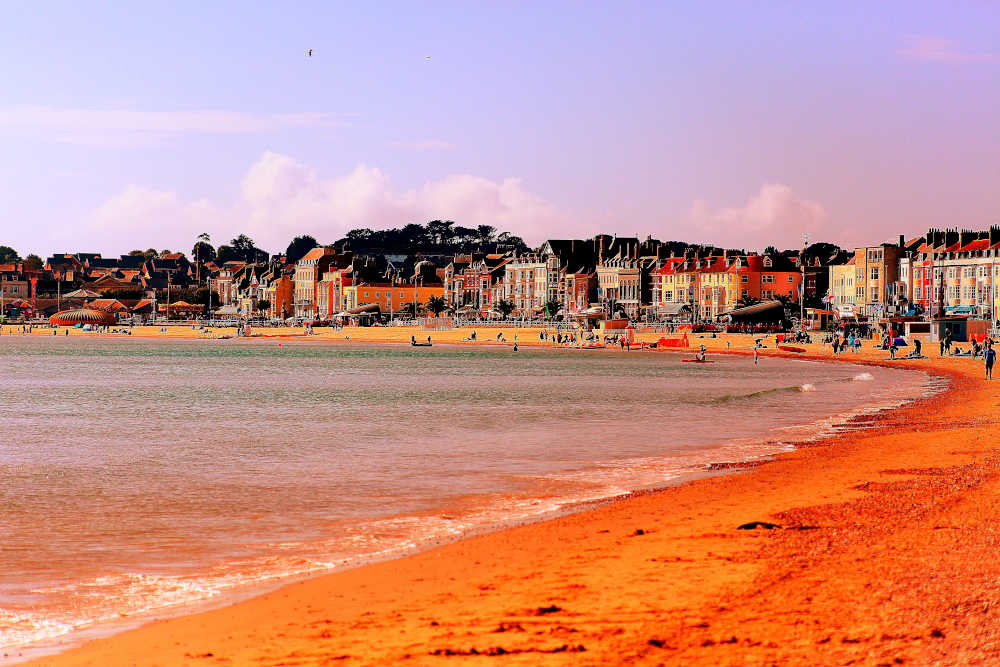


12 Best Things to Do at Lulworth Cove & Durdle Door (Walks, Beaches, Fossils + Tips)
Summary: Looking for the best things to do at Lulworth Cove and Durdle Door? This iconic part of the Jurassic Coast is known for dramatic coastal scenery, natural landmarks, fossil history and some of the best walking routes in Dorset.
Top Things to Do at Lulworth Cove & Durdle Door
- Visit Lulworth Cove
- Walk to Durdle Door
- Explore Stair Hole
- Walk to the Fossil Forest
- Relax at Man O' War Beach
- Take a Jurassic Coast walk
- Visit Lulworth Castle
- Explore nearby Corfe Castle
- Visit Tyneham Village
- See the Dolls House viewpoint
- Visit Monkey World or Tank Museum
- Enjoy local cafes and pubs
Lulworth Cove
Lulworth Cove is one of the most unique natural landforms in the UK, formed over thousands of years by erosion. Its almost perfectly circular shape makes it one of the most photographed spots on the Jurassic Coast.
- Calm, sheltered waters
- Great for swimming and paddling
- Visitor centre and small village
- Easy access from car park
Personal tip: Walk up to the viewpoint above the cove for the best photos - it's a short climb but worth it.
Durdle Door
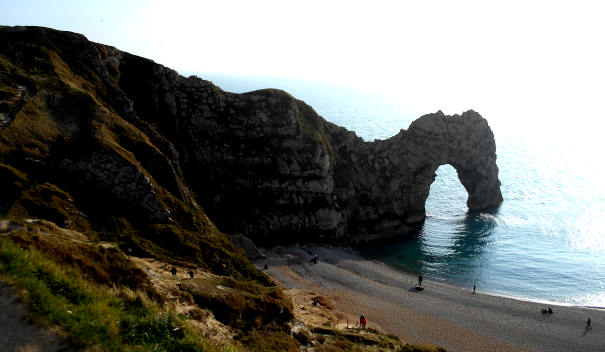
Durdle Door is a natural limestone arch and one of the most iconic landmarks in Dorset. It's about a 20-30 minute walk from Lulworth Cove.
- Famous rock arch formation
- Swimming and photography
- Popular for sunrise and sunset
Personal insight: The walk includes steep sections, so good footwear helps, especially on the way back uphill.
How Hard is the Walk to Durdle Door?
The walk from Lulworth Cove to Durdle Door is relatively short, but it can feel more challenging than expected due to the hills.
- Distance: Around 1 mile (1.6 km) each way
- Time: 20-30 minutes each way
- Terrain: Paved paths and steep inclines
The main challenge is the steep uphill section when leaving Lulworth Cove, followed by a downhill path toward Durdle Door. The return journey can be more tiring, especially in warm weather, as the climb back up is fairly steep.
Steps to the beach: If you plan to go down to Durdle Door beach itself, there is a long staircase which adds extra effort - especially on the way back up.
Who it's suitable for:
- Most people with a reasonable level of fitness
- Families with older children
- Not ideal for pushchairs or those with limited mobility
Personal tip: Take your time and pause at the top of the hill - the views back over Lulworth Cove are one of the highlights of the walk.
Stair Hole
Just a short walk from Lulworth Cove, Stair Hole is a smaller but equally fascinating geological feature.
It shows the early stages of how Lulworth Cove formed, with folded rock layers clearly visible.
Tip: It's much quieter than the main cove and worth visiting alongside it.
Fossil Forest and Fossil Hunting
The Fossil Forest, located east of Lulworth Cove, contains the remains of ancient fossilised trees dating back around 140 million years.
- Unique fossilised tree rings
- Raised rock platforms
- Less crowded walking route
The Jurassic Coast is famous for fossil hunting, although Lulworth itself is not the best spot for finding them.
Better locations include:
- Charmouth (frequent fossil finds)
- Lyme Regis (famous fossil location)
Historical note: Mary Anning, a pioneering fossil collector, made many important discoveries along this coastline.
Man O' War Beach
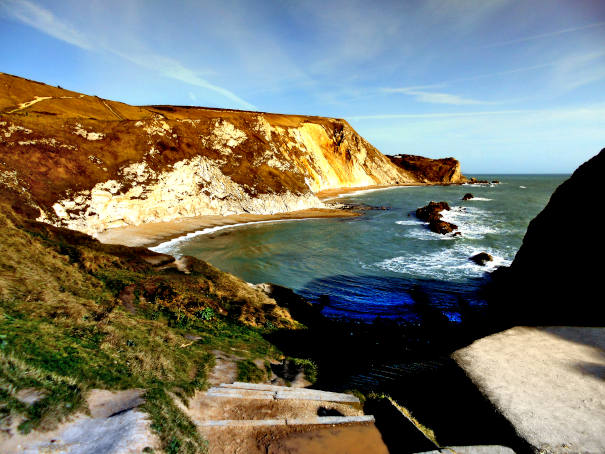
Located just next to Durdle Door, Man O' War Beach is slightly quieter and offers a more relaxed atmosphere.
- Less crowded than Durdle Door beach
- Clear water and scenic views
- Good spot for a quieter break
Tip: It's a good alternative if the main Durdle Door area is busy.
Jurassic Coast Walks
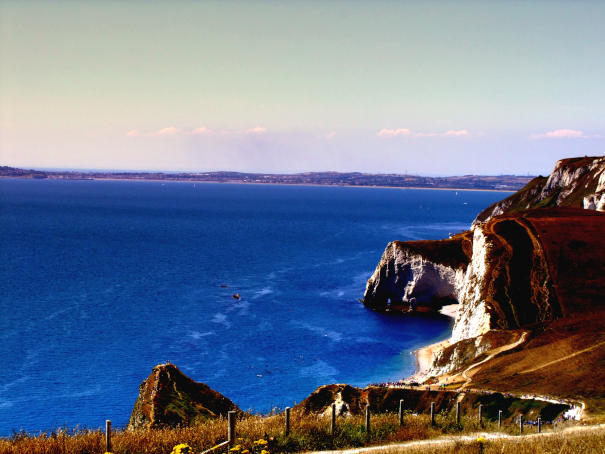
This area is part of the Jurassic Coast, a UNESCO World Heritage Site known for its geology and coastal scenery.
- Clifftop walks between Lulworth and Durdle Door
- Routes toward Tyneham and Worbarrow Bay
- Views across the coastline
Personal insight: Even short sections of the coastal path offer some of the best views in Dorset.
Nearby Attractions
There are several popular attractions within a short drive of Lulworth.
- Monkey World (rescue centre)
- The Tank Museum (military history)
- T. E. Lawrence's cottage Clouds Hill (Lawrence of Arabia)
- Corfe Castle (historic ruins)
- Tyneham Village (abandoned WWII village)
Tip: These are good options if the weather isn't ideal for coastal walks.
Lulworth Castle
Lulworth Castle is a 17th-century castle set within parkland just inland from the cove.
The estate has a long history and played a role in shaping the surrounding area.
- Castle and grounds
- Walking routes
- Events and seasonal openings
Personal insight: It's much quieter than the coastline and offers a different side of the area.
A Brief History of Lulworth Cove
Lulworth Cove is not only known for its unique geology but also for its interesting past, shaped by fishing, smuggling, and its position along the Dorset coast.
Smuggling and Coastal Trade
Like many quiet coves along the south coast, Lulworth was once linked to smuggling during the 18th and early 19th centuries. Its sheltered waters and relatively hidden location made it a useful landing point for contraband such as alcohol, tea, and tobacco.
Nearby villages and isolated coastal paths helped smugglers move goods inland while avoiding authorities.
Interesting note: While not as famous as some Dorset smuggling hotspots, Lulworth's geography made it well suited to these activities.
Fishing Village Origins
Before tourism, Lulworth was a small fishing village. The calm waters of the cove made it a practical and safe place for local boats.
Over time, as seaside tourism grew in the Victorian era, the village gradually shifted from fishing toward visitors and holidaymakers.
Military Use and Restricted Access
The area around Lulworth has long been associated with military use, particularly the nearby Lulworth Ranges.
Some surrounding coastal areas are still occasionally closed for training exercises, which has helped preserve parts of the landscape from overdevelopment.
Shipwrecks and Coastal Hazards
Although the cove itself is sheltered, the wider coastline around Durdle Door and the Jurassic Coast has seen shipwrecks over the centuries due to rocky shores and changing conditions.
These coastal hazards, combined with unpredictable weather, made navigation challenging before modern technology.
From Quiet Cove to Tourist Destination
By the late 19th and early 20th centuries, Lulworth Cove became a popular destination for visitors drawn to its unusual shape and coastal scenery.
Today, it remains one of the most visited natural landmarks in Dorset, balancing tourism with conservation.
Personal insight: Despite its popularity, it's easy to imagine what the cove would have felt like centuries ago - especially if you visit early in the morning before the crowds arrive.
Food and Drink
Food options around Lulworth Cove are mainly casual and geared toward visitors.
- Cafes and takeaway food near the car park
- Pubs in West Lulworth village
- Ice cream and snacks near the beach
Tip: Options are limited compared to larger towns, so visiting earlier or outside peak times is easier.
Parking and Access
Parking is available at Lulworth Cove and is the main access point for both the cove and Durdle Door.
- Large pay-and-display car park
- Short walk to the cove
- 20-30 minute walk to Durdle Door
Tip: Arrive before 9:30-10am in summer to avoid queues and secure a space.
Personal insight: It gets very busy on hot days, so early morning or evening visits are much more enjoyable.
FAQs About Lulworth Cove and Durdle Door
Is it worth visiting?
Yes, it's one of the most scenic parts of the Jurassic Coast.
How far is Durdle Door from Lulworth Cove?
About a 20-30 minute walk.
Can you swim there?
Yes, but conditions can vary and there are no lifeguards.
How long do you need?
Half a day to a full day depending on walking routes.
Why Visit Lulworth Cove and Durdle Door?
This area combines some of the most dramatic coastal scenery in England with unique geology and walking routes. From experience, the mix of iconic landmarks and quieter spots like Stair Hole and Man O' War Beach makes it one of the best places to visit in Dorset.
Updated: 2026
Explore more places around Dorset
Lulworth and Durdle Door are among Dorset's most famous landmarks, but there are many other great places in the county worth exploring. You may also like:
- Poole town guide - Home to one of Europe's largest natural harbours
- Swanage guide - A charming seaside town with a steam railway and gateway to the Jurassic Coast
- Bournemouth town guide - Dorset's largest town
- Tyneham Village - Dorset's abandoned village
- Places to visit in Dorset - Explore destinations like Poole, Dorchester, Weymouth, and more
Own a tourism or visitor-focused business?
Reach visitors planning trips to Weymouth and Dorset.
Learn How to Get FeaturedLatest Articles
Discover our newest guides exploring Dorset's history, hidden gems and fascinating places.

The Nothe Fort is a victorian fort now a museum of life in Weymouth during world war II.

The Pirates Graveyard at Church Ope Cove on Portland is found high above Church Ope Cove.

Tyneham Ghost Village is a deserted village.

There are plenty of things to do in Weymouth when it rains and lots more things to do around Dorset too.

Did you know that the Black Death arrived in England in 1348 through the port of Weymouth.

Portland Harbour History, the Portland Breakwaters, the sinking of HMS Hood and Portland at war.