

Take a Little Piece of Dorset Home
Love exploring Weymouth and Dorset? Take home beautiful coastal photography, digital artwork and local prints from my Folksy store.
Prices start from just £8.50 and include Weymouth Harbour, Weymouth Beach, Portland, Dorset landscapes and many more local scenes.
Shop All Dorset Prints →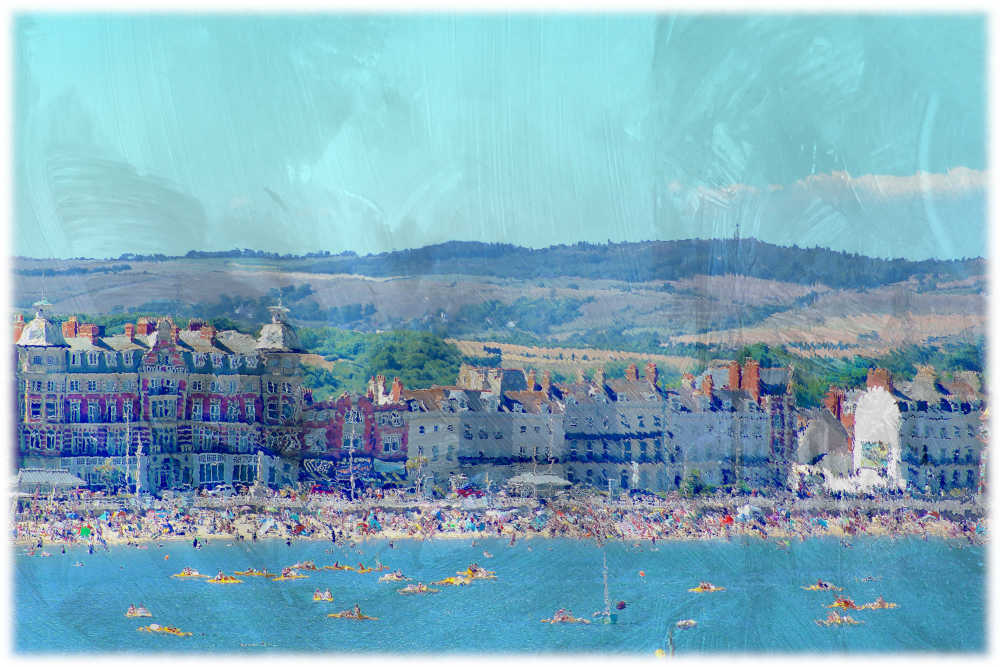


A History Walking Tour of Weymouth in a Day
Explore Weymouth's rich and layered past on foot with this history-focused walking tour. From medieval trade and plague years to royal patronage, shipwrecks and wartime heritage, Weymouth's history can be discovered through its harbour, beach and coastal landmarks in a single rewarding walk.
Start at Weymouth Harbour - Medieval Roots & The Black Death
Begin your history walk at Weymouth Harbour, the historic heart of the town. Starting at the town bridge, go down the Melcombe Regis side of the harbour. During the medieval period, this working harbour was a vital trading port connecting Dorset to Europe. In 1348, it was the scene of the first black death outbreak in England, Black Death, thought to have arrived via ships entering the harbour. There is a plaque on the Melcombe Regis side of the harbour identifying the area.
As you walk around the quayside and surrounding streets, imagine the narrow medieval waterfront, busy dockside trade and early defences that once defined Weymouth's earliest development. From the harbour, 6 ships also sailed to meet the Spanish Armada, whilst one captured Spanish Ship was also brought here.
Weymouth Beach, the Georgian Era & King George III
Follow the harbour towards Weymouth Beach and the Esplanade, where the town's identity changed dramatically during the Georgian period. Weymouth became one of England's earliest seaside resorts after regular visits from King George III, who helped popularise sea bathing and leisure tourism.
The wide sandy beach and elegant seafront reflect this shift from working port to fashionable resort, a transformation that continues to shape Weymouth today. The King George Statue and Bathing Machine remind us of the famous visitor as well as the White Horse in the hills above Osmington that can be seen from the seafront.
World War I & World War II - Weymouth at War
As you continue your walk, you will encounter reminders of Weymouth's importance during World War I and World War II. Along the seafront are a number of memorials to both wars. Its proximity to Portland Harbour made the town a key location for troop movements, naval operations and D-Day preparations. If you have chance, a visit to the Nothe Fort comes well recommended.
Coastal viewpoints and harbour-side landmarks offer insight into how Weymouth supported Britain's wartime efforts and how conflict shaped daily life in the town.
The Harbour & Civil War History
Continue back to the harbour and head towards the town bridge. The nearby historic streets where Weymouth played an important role during the English Civil War. Control of the harbour was fiercely contested due to its strategic importance, with shifting control and fortifications reflecting the tensions of the period. The town bridge is of particular importance, the first bridge having been built in Elizabethan times, it was here that the bridge was raised to prevent the Royalists taking Melcombe Regis. Cannon Ball damage can still be seen in a wall in Hope Square whilst the famous cannon ball above the toilets on Maiden street also reminds us of Weymouth's Civil War.
Many of Weymouth's early coastal defences have their origins in this era, laying the groundwork for the fortifications that would later protect the town.
Maritime Heritage & Shipwrecks
Heading over the bridge onto the Weymouth side of the harbour, head down towards the stone pier. Weymouth's relationship with the sea has not always been calm. The waters along the Dorset coast have claimed countless vessels over the centuries, making shipwrecks a significant part of the town's maritime history. At the stone pier (Weymouth Jetty) there is a plaque about one of England's worst maritime disasters, the sinking of the Earl of Abergavenny in Weymouth Bay.
The harbour and nearby shoreline were often the first places of rescue and recovery for wrecked ships, with cargo and survivors brought ashore just steps from where you are walking today.
End the Walk coming back down the jetty to the Historic Harbour
Conclude your history walk back at Weymouth Harbour, where centuries of history converge in one place. As the light fades and reflections appear on the water, the harbour offers a fitting setting to reflect on Weymouth's journey through medieval trade, plague, civil war, shipwrecks, royal patronage and global conflict.
Why Weymouth Is Ideal for a History Walking Tour
- Medieval harbour and trading roots
- Links to the arrival of the Black Death in England
- Strategic Civil War significance
- Rich maritime and shipwreck heritage
- Georgian seaside development under King George III
- Key World War I and World War II roles
Tips for a Weymouth History Walk
- Start at the harbour: Weymouth's history begins here and flows outward.
- Read plaques and signage: Many historic details are marked throughout the town.
- Take your time: Some locations may only take a few minutes, others much longer.
- Combine history with scenery: Coastal views often explain why sites were strategically chosen.

A Modern Day photograph of Weymouth Harbour and Town Bridge
FAQs - Weymouth History Walking Tour
Is Weymouth good for history lovers?
Yes. Weymouth offers medieval, maritime, royal and wartime history, all within a compact and walkable coastal town.
Can you explore Weymouth's history in one day?
Yes. Weymouth's key historic locations are close together, making a one-day walking history tour both achievable and rewarding.
Is this history walk suitable for families?
Yes. The walkable route, coastal scenery and variety of historic sites make it suitable for families, particularly those with older children.
Explore More Dorset History
- Smuggling Around the Weymouth Coast - Learn about smuggling around the Dorset Coast.
- Weymouth Shipwrecks - Read about some of the shipwrecks that have occured along the coast.
- Weymouth in the Middle Ages - Read about Weymouth's Medieval Past.
Own a tourism or visitor-focused business?
Reach visitors planning trips to Weymouth and Dorset.
Learn How to Get Featured
The Nothe Fort is a victorian fort now a museum of life in Weymouth during world war II.

The Pirates Graveyard at Church Ope Cove on Portland is found high above Church Ope Cove.

Tyneham Ghost Village is a deserted village.

There are plenty of things to do in Weymouth when it rains and lots more things to do around Dorset too.

Did you know that the Black Death arrived in England in 1348 through the port of Weymouth.

Portland Harbour History, the Portland Breakwaters, the sinking of HMS Hood and Portland at war.