

Take a Little Piece of Dorset Home
Love exploring Weymouth and Dorset? Take home beautiful coastal photography, digital artwork and local prints from my Folksy store.
Prices start from just £8.50 and include Weymouth Harbour, Weymouth Beach, Portland, Dorset landscapes and many more local scenes.
Shop All Dorset Prints →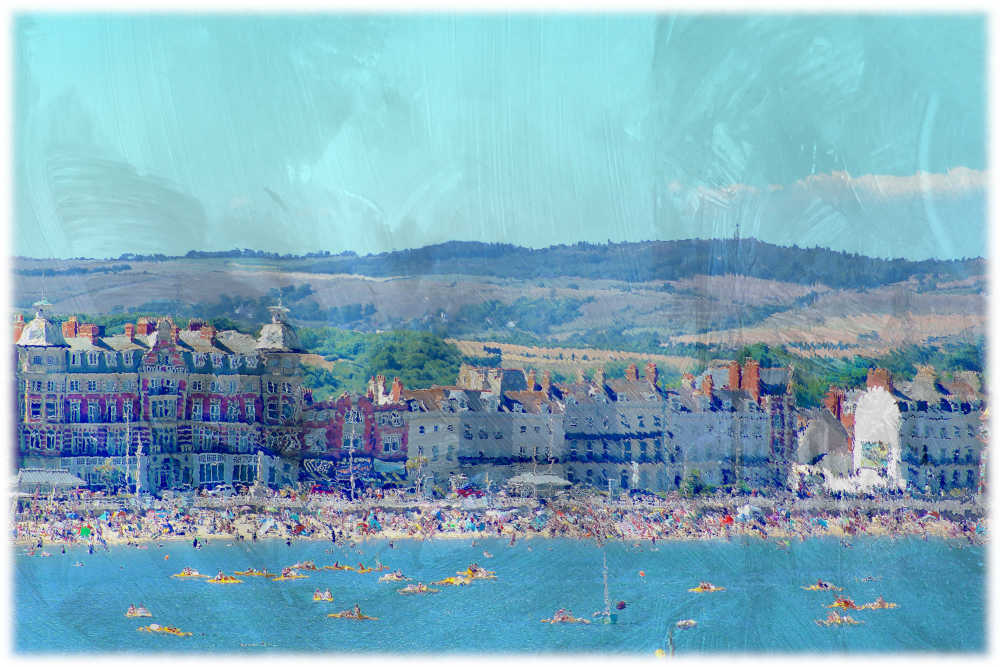


Weymouth in World War I (1914-1918)
When World War I began in August 1914, Weymouth was a peaceful seaside resort. However, its harbour, railway connections and proximity to the major Royal Navy base at Portland meant the town quickly became involved in Britain's war effort. Troops passed through the town, wounded soldiers were brought here to recover, and the nearby Portland Harbour became a heavily defended naval base, even protected by sunken warships at its entrance. While Weymouth did not experience frontline action or large-scale destruction, the war profoundly affected daily life and left a lasting mark on the community, like every other town, many men gave their lives for their country.Strategic Location, Harbour Use and HMS Hood
Throughout World War I, Weymouth Harbour played a supporting role within the wider network of south coast ports. Working alongside Portland Harbour, which was a key Royal Navy base, Weymouth assisted with naval logistics, patrol activity and the movement of personnel.Naval vessels regularly operated off the Dorset coast, guarding shipping lanes in the English Channel against the growing threat posed by German U-boats. Sailors and naval personnel became a familiar sight in the town, bringing an unmistakable military presence to the seafront and harbour area.
Although Weymouth was not a primary embarkation port for troops heading to the Western Front, it helped ease pressure on larger ports by acting as a secondary transport and support hub.
Railways, Troop Movements and Military Support
Weymouth's direct rail links to London and the wider south of England gave it logistical importance during the war. Troops passed through the town en route to training camps, ports and hospitals, particularly during the early stages of the conflict and later periods of redeployment.The railway also played a vital role in transporting supplies and equipment. Military activity increased around the station and harbour, subtly shifting Weymouth from a leisure town into one contributing to the national war effort.
Harbour Security & Coastal Defence 1914-1918
Concerns about German naval raids led to heightened coastal security along the Dorset coast. Nothe Fort, though already considered outdated by 1914, remained part of the defensive network protecting Weymouth Harbour.Lookouts and patrols monitored coastal waters, and restrictions were placed on harbour access. Seafront lighting was reduced as a precaution, and the presence of naval patrols offered reassurance to the local population.
Unlike in World War II, Weymouth did not experience air raids during WWI, as aerial warfare was still limited. The main perceived threat came from enemy ships and submarines operating in the Channel.
The old 1891 HMS Hood was sunk in the entrance to Portland Harbour on 4th November 1914 to deter U-boats (not to be confused with the more famous HMS Hood that was sunk in WW2 in a battle with the Bismarck with the loss of 1415 lives).
Life on the Home Front in WWI Weymouth
World War I brought significant changes to everyday life in Weymouth. Tourism, the town's primary industry, declined sharply as holidaymakers stayed away and travel was restricted. Many hotels, boarding houses and large properties were repurposed for wartime use.Some buildings were converted into hospitals and convalescent homes for wounded servicemen returning from the Western Front. Local residents volunteered to support recovery efforts, and charitable organisations worked to provide care and comfort for injured soldiers.
Food shortages became increasingly severe as the war continued as the enemy tried to starve Britain into submission, attacking merchant shipping in the channel. Things had become so severe by December 1917, rationing was introduced, affecting staples such as bread, sugar and meat. Women took on new roles in shops, offices and voluntary organisations, filling gaps left by men who had enlisted.
Local Men at War
Hundreds of men from Weymouth and the surrounding villages enlisted in the British Army, Royal Navy and Merchant Navy. Many served in major battles on the Western Front, at sea, or in distant theatres of war. Many never came home.News of casualties arrived through telegrams and newspaper lists, bringing the realities of the conflict into homes across the town. Like communities throughout Britain, Weymouth endured loss and uncertainty as the war dragged on.
The Human Cost and Remembrance
World War I claimed the lives of many local men. Their names are recorded on war memorials in Weymouth and nearby parishes, serving as a permanent reminder of the town's sacrifice.Although Weymouth escaped the physical destruction seen elsewhere, the emotional and social impact of the war was profound. Families were changed forever, and the experience marked a turning point in the town's history.
ANZAC Presence in Weymouth (May 1915-1919)
From May 1915, Weymouth became a major recovery hub for Australian and New Zealand Army Corps (ANZAC) wounded in the Gallipoli campaign and other theatres. The town hosted Australian Imperial Force (AIF) Command Depot No.2 and other camps such as Monte Video (Chickerell), Westham and Littlemoor where convalescing soldiers stayed before returning home or resuming service. Between 1915 and 1919, over 120,000 ANZAC troops passed through Weymouth and nearby camps.The ANZAC memorial found on the esplanade over the road from the Prince Regent Hotel remembers them (the Prince Regent Hotel was formerly Burdon's Military Hospital - looking after wounded men evacuated from the Gallipoli campaign.
Weymouth World War One Timeline (1914-1921)
Although World War One was fought overseas, its effects were clearly felt in Weymouth, as shown in the timeline below.
Britain enters the First World War. Weymouth, as a coastal town, begins wartime preparations including harbour security, transport support, and coastal vigilance. Many local young men sign up.
The old battleship HMS Hood is deliberately sunk in the entrance to Portland Harbour to prevent German U-boat attacks.
Weymouth becomes a major centre for ANZAC convalescence following the Gallipoli campaign. The Australian Imperial Force (AIF) Command Depot No. 2 opens at Monte Video House, Chickerell.
The first wounded Australian and New Zealand soldiers arrive in Weymouth. Additional camps are established at Westham and Littlemoor to support recovery and training.
Over 120,000 ANZAC troops pass through Weymouth and nearby camps. Many local streets are later named after Australian cities and states in recognition of their presence.
Weymouth Harbour and railway network play a vital role in wartime logistics, transporting troops, medical supplies, and equipment. Coastal defences are monitored due to the threat of German U-boats in the English Channel.
The Armistice is signed, bringing fighting to an end. Weymouth continues to support demobilisation and the care of returning and wounded servicemen.
The Wyke Regis War Memorial is unveiled, commemorating 52 local men who lost their lives during the Great War.
The Weymouth Cenotaph on the Esplanade is unveiled, honouring the men of Weymouth and Melcombe Regis who died in World War One.
Weymouth After the War
When the war ended in November 1918, Weymouth slowly returned to civilian life. Tourism eventually resumed, but the world - and the town - had changed. The losses suffered during the war, combined with economic and social shifts, left a legacy that would shape the community for decades.World War I also set the foundations for Weymouth's later wartime role. Just over twenty years later, the town's harbours, railways and coastline would once again be called upon - this time on a far greater scale - during World War II. See Weymouth at War.
Explore more of Weymouth's history and surrounding Dorset
Weymouth played an important role during World War I, with its harbour and coastal position contributing to the war effort. This period is just one chapter in the town's wider history, from royal visits to later involvement in World War II and D-Day preparations. There's plenty more to discover about Weymouth and the surrounding Dorset area. You may also like:
- Weymouth town guide Explore the town, its harbour, and famous beach
- Weymouth in World War II - Learn about the town's role in D-Day preparations and coastal defence
- Weymouth museums and forts - Discover Nothe Fort, Portland Castle, and more
- Dorset history guide - Explore the region's past through the centuries
- Tyneham Village - A village evacuated during World War II and never returned to civilian life
Own a tourism or visitor-focused business?
Reach visitors planning trips to Weymouth and Dorset.
Learn How to Get FeaturedLatest Articles
Discover our newest guides exploring Dorset's history, hidden gems and fascinating places.

The Nothe Fort is a victorian fort now a museum of life in Weymouth during world war II.

The Pirates Graveyard at Church Ope Cove on Portland is found high above Church Ope Cove.

Tyneham Ghost Village is a deserted village.

There are plenty of things to do in Weymouth when it rains and lots more things to do around Dorset too.

Did you know that the Black Death arrived in England in 1348 through the port of Weymouth.

Portland Harbour History, the Portland Breakwaters, the sinking of HMS Hood and Portland at war.