

Take a Little Piece of Dorset Home
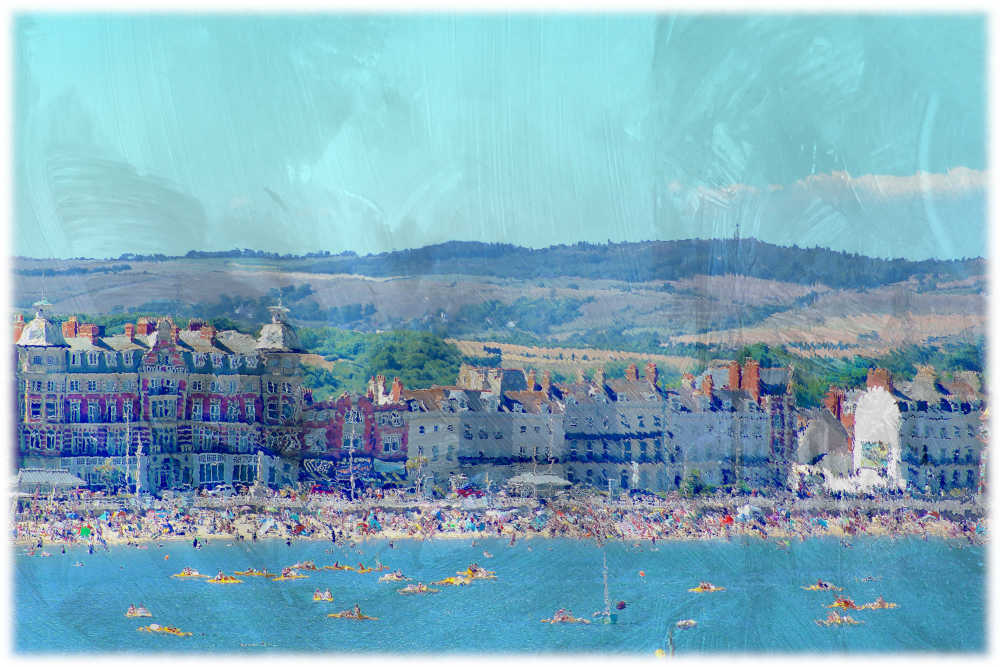
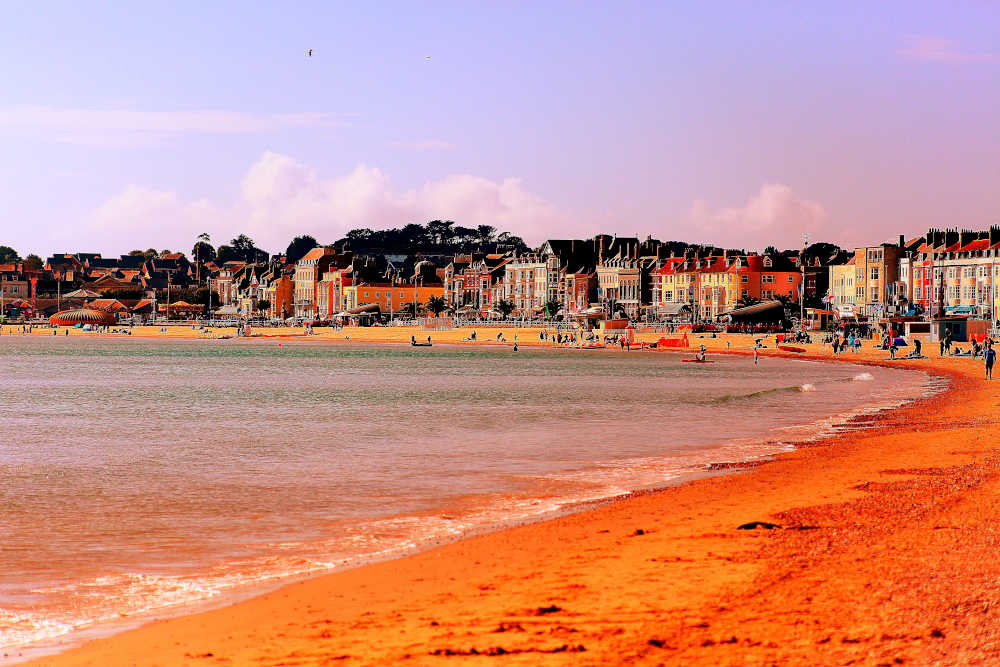
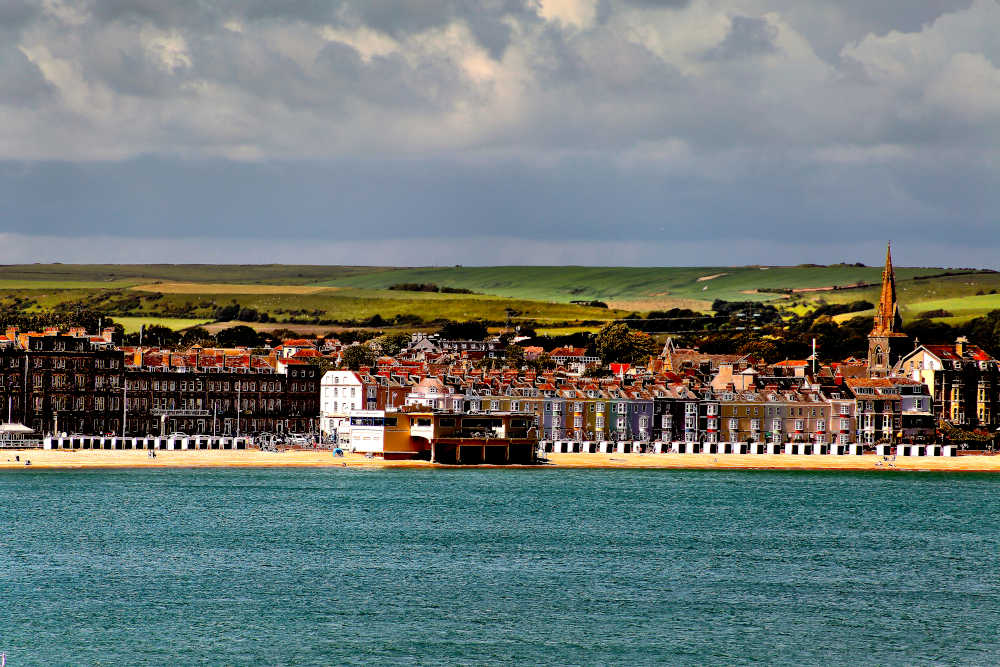
Love exploring Weymouth and Dorset? Take home beautiful coastal photography, digital artwork and local prints from my Folksy store.
Prices start from just £8.50 and include Weymouth Harbour, Weymouth Beach, Portland, Dorset landscapes and many more local scenes.
Shop All Dorset Prints →


Dorchester Dorset: Thomas Hardy, Roman History and Stories of the Past
Top Things to Do in Dorchester Dorset
Planning a visit to Dorchester? Here are some of the best things to do in and around the town, from Roman history and Thomas Hardy landmarks to peaceful riverside walks.
- Visit Maiden Castle, the largest hillfort in Britain
- Explore the Roman Town House in Colliton Park
- Discover Maumbury Rings and its fascinating history
- Visit Max Gate, the former home of Thomas Hardy
- See Hardy's Cottage in Higher Bockhampton
- Explore Dorset County Museum and The Keep Military Museum
- Walk along the River Frome and enjoy the peaceful surroundings
- Relax in Borough Gardens near the town centre
- Visit St Peter's Church and see Hardy's restoration work
- Discover the history of the Bloody Assizes in the town centre
Dorchester, the county town of Dorset, sits around 10 miles north of Weymouth and is one of the most historically rich places in the county. From Roman ruins and ancient earthworks to literary landmarks and dramatic events in English history, Dorchester offers something at every turn.
Thomas Hardy and Casterbridge
Dorchester is known to many as 'Casterbridge', the fictional town in Thomas Hardy's novels, particularly The Mayor of Casterbridge. Walking through the town today, it is easy to imagine the world Hardy wrote about, with many buildings and streets still reflecting that era.
Max Gate, the house designed by Thomas Hardy, can be found on the outskirts of the town. It was here that he wrote some of his most famous novels, including The Mayor of Casterbridge and Tess of the D'Urbervilles. Hardy lived here until his death, and today the house is open to the public under the care of the National Trust.
Earlier in life, Hardy lived in a much smaller home at Higher Bockhampton. Hardy's Cottage, a traditional thatched cottage surrounded by woodland, offers a glimpse into his early life and inspirations and is also managed by the National Trust.
St Peter's Church on High West Street also has a link to Hardy. Although built in the 15th century, Hardy worked on its restoration during his early career as an architectural student, and his plans can still be seen inside.
Challenge: Take a walk through Dorchester or the surrounding countryside and try to imagine how it might have looked to Thomas Hardy. The landscapes he wrote about are still here, and with a little imagination, you can almost step into one of his novels.
Dorchester and the Romans
Dorchester was an important Roman settlement, known as Durnovaria, and its history can still be seen across the town today. It is home to the only visible Roman town house in England, located in Colliton Park, which is free to visit and offers a fascinating insight into Roman life.
Just outside the town lies Maiden Castle, one of the most impressive ancient sites in Britain. Dating back to Neolithic times, it is the largest hillfort in the country. It was later occupied by the Romans before they moved into Dorchester itself.
Maiden Castle offers spectacular views across the surrounding countryside and is one of the best free attractions in Dorset.
Tip: Climb to the top of Maiden Castle and take a moment to look out across the landscape. Imagine what it would have been like standing here thousands of years ago, watching for approaching enemies or surveying the land below.
Closer to the town centre, Maumbury Rings tells another part of Dorchester's story. Originally a Neolithic henge, it was later converted by the Romans into an amphitheatre and eventually became a site of execution.
It was here that many of the men sentenced during the Bloody Assizes were executed, including around 80 rebels following the Monmouth Rebellion. It was also the site of the tragic execution of Mary Channing, who was burned at the stake after being convicted of murdering her husband at just 19 years old.
Did you know? If you visit Maumbury Rings, take time to read the plaques and information boards. Standing there, it is hard to imagine the events that once took place, but it gives a powerful insight into Dorchester's darker history.
The Monmouth Rebellion and the Bloody Assizes
Dorchester played a key role in the aftermath of the Monmouth Rebellion in 1685. After the Duke of Monmouth was defeated at the Battle of Sedgemoor, many of his supporters were brought to trial here.
Judge Jeffreys presided over these trials, which became known as the Bloody Assizes. Around 80 men were sentenced to death at Maumbury Rings, while many others were transported to the West Indies, where they faced harsh conditions and disease.
Several buildings linked to these events still stand today, including Judge Jeffreys' lodgings on High West Street and the Oak Room on Antelope Walk, where the trials were held. It is believed there was even an underground passage connecting the two.
Challenge: Stand near where the court once sat and imagine the atmosphere during the Bloody Assizes. The decisions made here changed lives forever and left a lasting mark on the town's history.
Museums in Dorchester
Dorchester is home to a number of excellent museums. The Dorset County Museum explores Dorset life through the ages, including Roman history, the Victorian era, Thomas Hardy, and the Jurassic Coast.
The Keep Military Museum, housed in a mock Norman castle, tells the story of Dorset and Devonshire regiments over the past 300 years, including the Boer War and both World Wars.
The Dinosaur Museum offers something completely different, focusing on prehistoric life and proving especially popular with families.
Parks, Nature and the River Frome
The River Frome winds gently through Dorchester and provides a peaceful setting for a walk. Much of the river is non-navigable, allowing wildlife to thrive with little disturbance.
Nearby, Borough Gardens offers a relaxing green space with flower displays, a fountain, a clock tower, and a children's play area, just a short walk from the town centre.
Tip: A warm, dry day in late spring is one of the best times to walk along the River Frome. The trees are full, wildlife is active, and it is a perfect place to slow down and enjoy a quieter side of Dorchester.
Why Visit Dorchester?
From ancient hillforts and Roman ruins to literary landmarks and dramatic historical events, Dorchester offers one of the richest and most varied days out in Dorset. Whether you are visiting for history, walking, or simply to explore somewhere new, it is a town that rewards curiosity.
Tip: Dorchester is well connected by road and rail, the station is close to the town. There are a number of large carparks within the town
Walking Dorchester: A Simple Route Through History
One of the best ways to explore Dorchester is on foot. This simple walking route takes you through some of the town's most historic and interesting locations, giving you a real feel for its past.
Start: Town Centre and St Peter's Church
Begin in the centre of Dorchester at St Peter's Church on High West Street. Take a look inside to see the connection to Thomas Hardy and his early architectural work.
Tip: Take your time here and look at Hardy's plans inside the church. It is a small detail, but it connects the town directly to his early life.
Stop 2: Maumbury Rings
From the town centre, walk a short distance to Maumbury Rings. This ancient site has served as a Neolithic henge, a Roman amphitheatre, and later an execution ground.
Challenge: Stand in the centre of Maumbury Rings and imagine the different roles it has played over thousands of years, from gatherings in prehistoric times to Roman events and later executions.
Stop 3: Borough Gardens and the River Frome
Continue your walk towards Borough Gardens then head down to the nearby River Frome. This is one of the most peaceful parts of Dorchester and a great place to slow down.
Tip: A warm, dry day in late spring is the perfect time to walk along the River Frome. The trees are full and the wildlife is at its most active.
Stop 4: The Roman Town House
Head over to Colliton Park to visit the Roman Town House, the only visible example of its kind in England. It offers a fascinating glimpse into Roman life in Dorchester.
Optional Extension: Maiden Castle
If you have time and energy, take a short drive or longer walk out to Maiden Castle. The scale of the earthworks is impressive, and the views from the top are some of the best in Dorset.
Tip: Climb to the top and take a moment to look out across the landscape. It is easy to imagine why this was once such an important defensive site.
Optional Extension: Thomas Hardy Sites
To complete your visit, head out to Max Gate or to Higher Bockhampton to see Hardy's Cottage and explore the life of one of Dorset's most famous writers.
Challenge: As you walk through the countryside around Dorchester, think about how these landscapes inspired Thomas Hardy's novels. Much of what he described can still be seen today.
Updated: 2026
Explore more places around Dorset
Dorchester is the county town of Dorset and sits at the heart of some of the region's best places to visit. It's a great base for exploring the surrounding area, with plenty of historic sites, coastal destinations, and charming towns nearby. You may also like:
- Weymouth Beach guide - On a hot day, there's no better place to be
- Tyneham Village - Dorset's abandoned village
- Isle of Portland guide - A unique island with Portland Bill lighthouse, clifftop walks, and plenty to explore
- Wareham town guide - A quaint quayside town with Saxon walls
- Places to visit in Dorset - Explore destinations like Poole, Tyneham, and Lulworth
Own a tourism or visitor-focused business?
Reach visitors planning trips to Weymouth and Dorset.
Learn How to Get FeaturedLatest Articles
Discover our newest guides exploring Dorset's history, hidden gems and fascinating places.

The Nothe Fort is a victorian fort now a museum of life in Weymouth during world war II.

The Pirates Graveyard at Church Ope Cove on Portland is found high above Church Ope Cove.

Tyneham Ghost Village is a deserted village.

There are plenty of things to do in Weymouth when it rains and lots more things to do around Dorset too.

Did you know that the Black Death arrived in England in 1348 through the port of Weymouth.

Portland Harbour History, the Portland Breakwaters, the sinking of HMS Hood and Portland at war.